St Andrew
Greensted, GB
Welcome to St. Andrews church, Greensted, The oldest wooden church in the world, and the oldest ‘Stave Built' timber building in Europe. The church represents some 1300 years of English history and Christian worship.

Here you can search for a building to visit. You can use the map find destinations, or you can use the filters to search for a building based upon what different criteria.
Greensted, GB
Welcome to St. Andrews church, Greensted, The oldest wooden church in the world, and the oldest ‘Stave Built' timber building in Europe. The church represents some 1300 years of English history and Christian worship.

Cullompton, GB
A church has stood here since Saxon times. After the Norman Conquest of 1066 it belonged to Battle Abbey in Sussex, then the Priory of St Nicholas Exeter who were the Patrons until the Dissolution of the Monasteries in 1536. The town dates back to the Roman period, there was a fort on the hill above the town and occupation in the centre. ‘Columtune' was also mentioned in Alfred the Great's will in 872 AD.
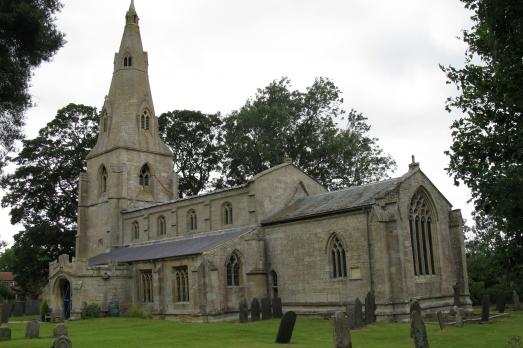
Pickworth, GB
This rural church contains extensive wall paintings that were hidden from view until a bomb dropped nearby in World War II. The building also contains other treasures including a 12th century tub font, a two decker pulpit, a medieval rood screen and pews, graffiti from the 1600's and an altar rail from the 18th century. Come and see for yourself!
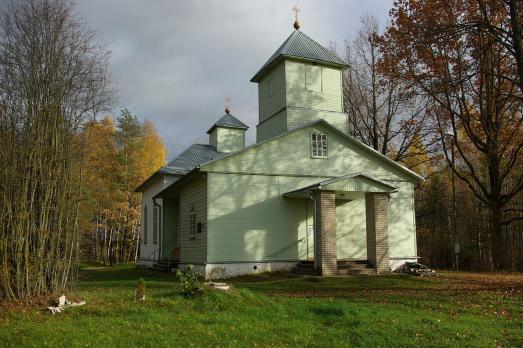
Corbridge, GB
Welcome! Spending some time in beautiful,wild Northumbria? Then a visit to the stunning Roman village of Corbridge is an absolute must, especially the ancient church of St Andrew's in the village square is well worth a visit. Enter our imposing church through our Norman archway and staggeringly beautiful glass door, generously given by Rowan Atkinson in memory of his mother who regularly worshipped at our church. Why don't you give it a visit, next time you're in Corbridge!
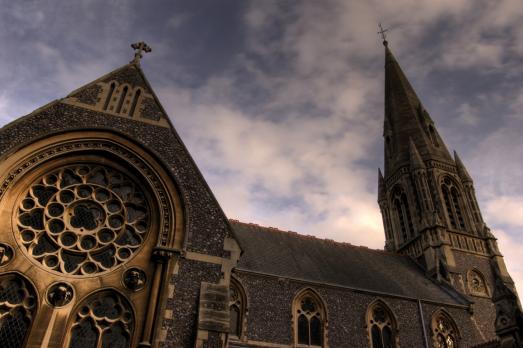
Hertford, GB
The origin and date of St Andrew's is not certain but some authorities believe it is the original church of Hertford, the parish being created in 860 AD. There is some evidence that a small wattle-and daub church existed, destroyed by the Danes in 894 AD. This was succeeded, possibly in the 12th century, by an apsidal church built of flint, plastered over, and consisting of a Nave, chancel and north and south aisles. This was rebuilt in about 1480.
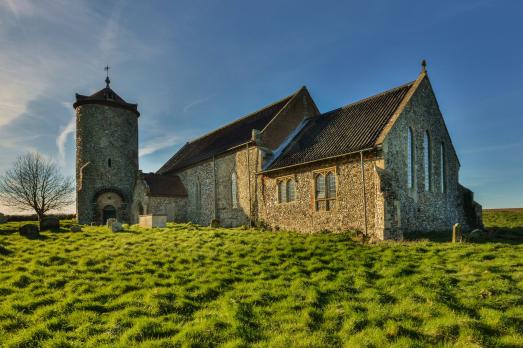
Little Snoring, GB
The church that stands just outside the village of Little Snoring is both ancient and quietly awe inspiring in its simplicity. The remote location, the silence inside, the slight smell of damp and the obvious centuries of use speak of a village that has retained its identity for many generations.
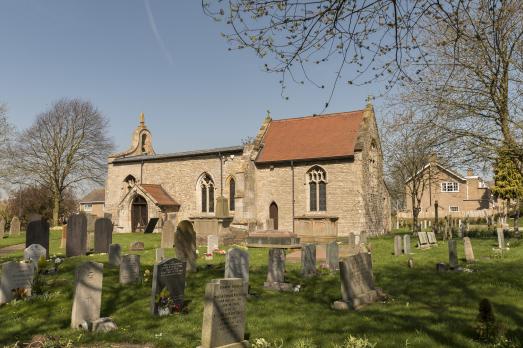
Cranwell, GB
Surrounded by its beautiful, historic and thousand year old churchyard, the ancient church lies in the centre of Cranwell village. It is one of the oldest in Lincolnshire.
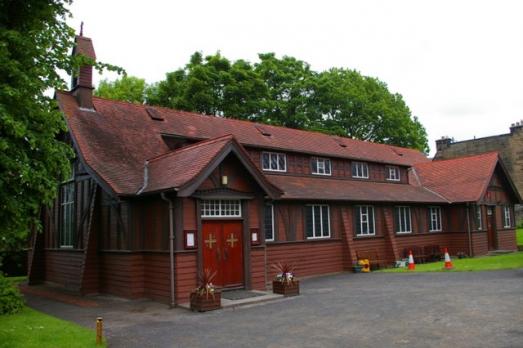
Ravelston, GB
St Andrew's church is rather special, and we in the parish are very proud of it. It is unusual as it is a wooden church, not stone like most in Edinburgh. The building is just over 110 years old, having been built as a kit, supposedly sent from Austria.
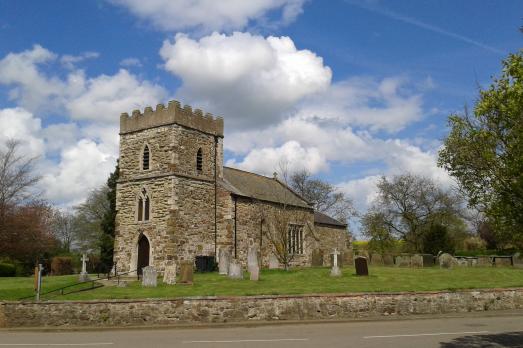
Donington on Bain, GB
The church of the flying hassocks! A pretty Early English church nestling in a delightful Wolds village situated on the long distance Viking Way walk. Apparently it was the custom at weddings in this church to pelt the bridal party with hassocks as it entered the church, but this practice came to an end when one of the rectors, was on the receiving end of one of the hassocks!

Sutton in the Isle, GB
There are strong echoes of the famous octagon of nearby Ely Cathedral in the silhouette of St Andrew's, proudly set on its ridge and visible for miles across the Fens.
new
For a long time, Europe was ruled by powerful monarchies. Monarchy and religion have been connected since time immemorial. Here are 7 sites across Europe where royalty historically bent the knee to a higher power and received their crown.
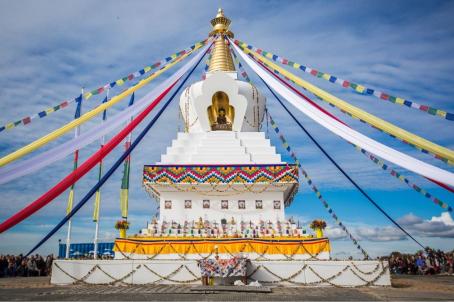
Stupas are symbols of enlightenment and peace that commemorate different stages of Buddha's life. Since the mid-20th century, thousands of stupas have begun to populate Europe. We have compiled some of the most impressive ones in this list.
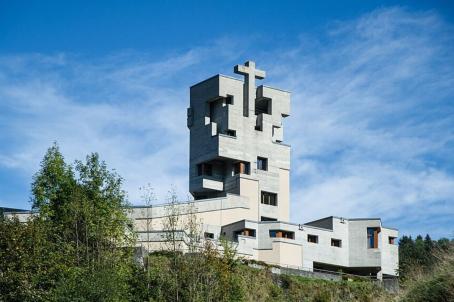
Walter Maria Förderer (1928–2006) was a Swiss architect and sculptor renowned for his neo-expressionist church designs in the 1960s. In this list we have compiled 6 of his church designs that seamlessly integrate religious and secular elements.

How is Religiana helping to conserve and promote Religious Heritage in Europe and why should you get involved?
Find out about Religiana
Are you a tourism organisation or religious heritage sites manager? Discover the advantages of becoming a partner.
See current partners
We can keep you up to date with the latest news from Religiana and religious heritage conservation across Europe.
Sign up to the FRH newsletter