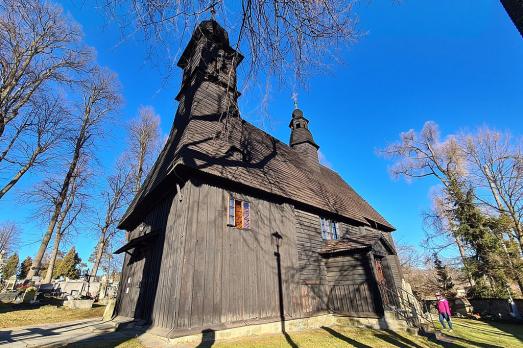
St Anne Church, Nowy Targ
Nowy Targ, PL
The church of Santa Ana was built in the 14th century and is one of the historic wooden churches in the Małopolska Province in southern Poland.

Here you can search for a building to visit. You can use the map find destinations, or you can use the filters to search for a building based upon what different criteria.
Nowy Targ, PL
The church of Santa Ana was built in the 14th century and is one of the historic wooden churches in the Małopolska Province in southern Poland.
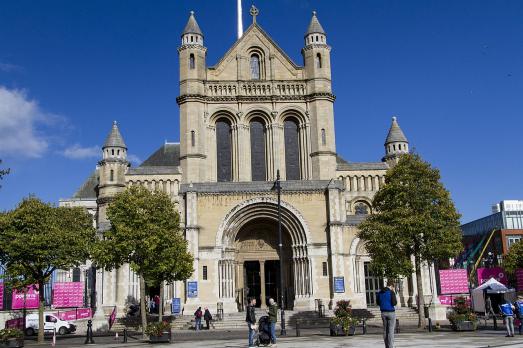
Belfast, GB
St Anne's Cathedral, built between 1899 and 1904, is the Anglican cathedral (Church of Ireland) in Belfast. The church was built in a Romanesque Revival style by the architect Sir Thomas Drew. The nave was originally built on the site of the former parish church of St Anne.
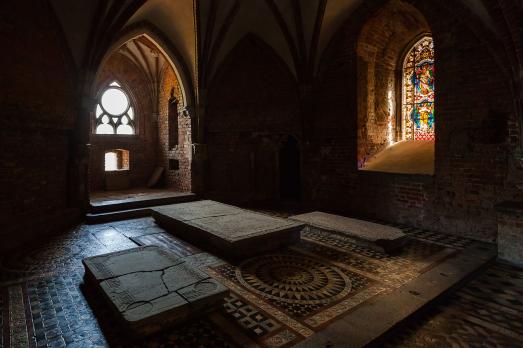
Malbork, PL
St Anne's Chapel in Malbork Castle was the burial chapel of the great Teutonic masters. Desecrated during the Swedish Wars in the 17th century, the chapel was eventually given to the Jesuit order and was used as their burial place in the 18th century. After 1780 the chapel was taken over by the parish clergy and between 1821 and 1823 it was renovated and restored. The building was again completely revitalised and the interior was altered by Conrad Steinbrecht in the late 19th and early 20th centuries. In 1945, during the fighting for the castle, the vault of the chapel collapsed after being hit by artillery fire from the Red Army.
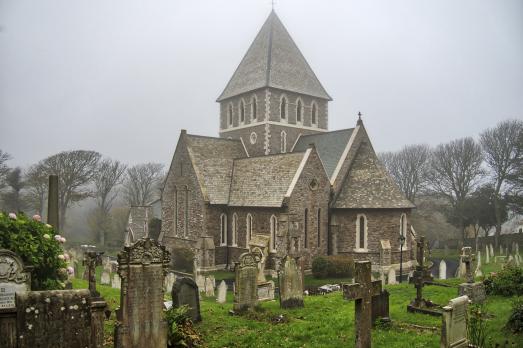
St Anne, GG
St Anne's Church in its present form owes much to a restoration by George Gilbert Scott, a renowned Victorian building architect. This renovation was completed in 1850. During the Second World War, when the town was under German occupation and all its citizens had left the town, the church was used as a shop, and its premises were damaged. After the war, the church underwent a major restoration, completed in 1953.
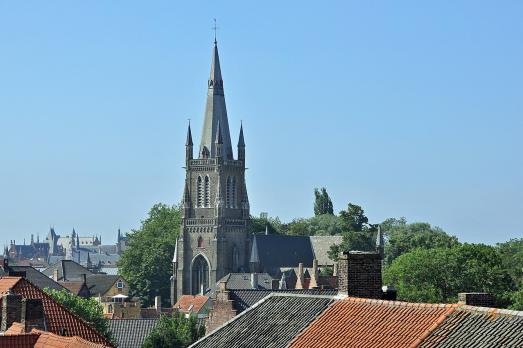
Bruges, BE
St Anne's Church (in Dutch, Sint-Annakerk) is a Catholic baroque building that was rebuilt in the early 17th century.
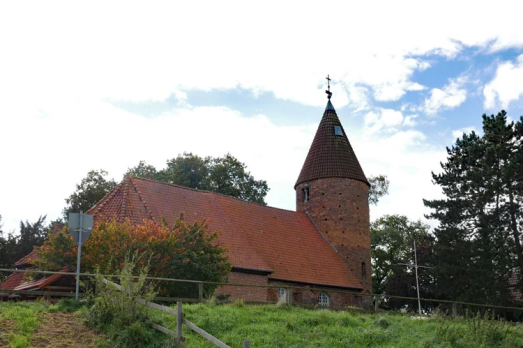
Dörverden-Westen, DE
St Annen-Kirche is located in Dörverden-Westen, a village in Niedersachsen. It is situated on the southern shore of the river Aller.
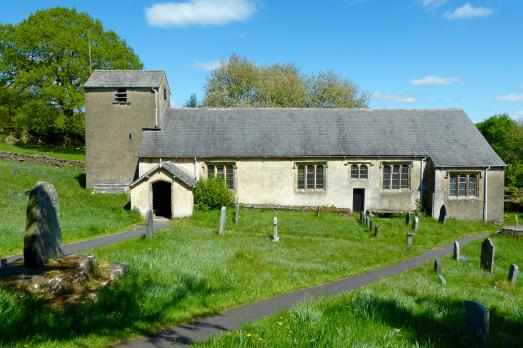
Cartmel Fell, GB
Founded in 1504 and Grade I listed this peaceful church is tucked away on the Fell. Surrounded by a graveyard rich with wildflowers, the interior contains unusual box pews (possibly formed from an early Rood screen), a triple decker pulpit and stained glass both ancient and modern.
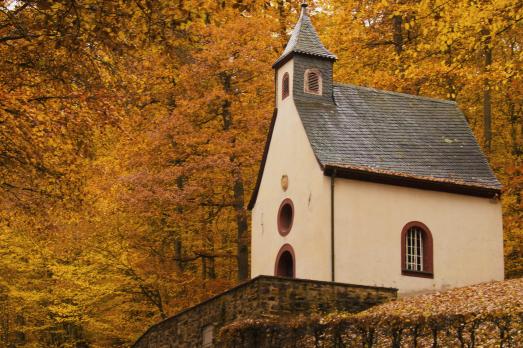
Wierschem, DE
A quarter of an hour's walk from the Eltz castle, this small chapel dates from the 18th century and is a place of serenity far from the tourists.
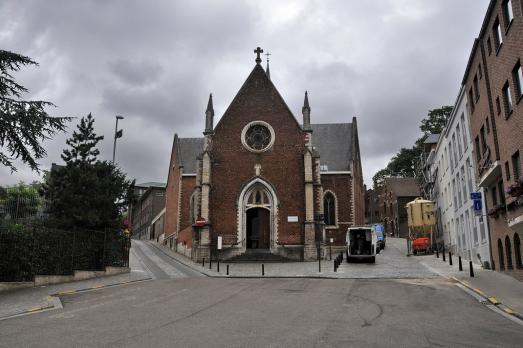
Leuven, BE
In 1299, the clergy of the Sint-Pieterskerk (St. Peter’s Church) built a chapel at the foot of the Ramberg, in the center of Louvain. After the university of Louvain was established in 1425, the Artes faculty became the owner of the chapel. From the 16th century onwards, there was a worship of Sint-Antonius van Egypte (Saint Anthony of Egypt). Because of his popularity, the chapel was called Sint-Antoniuskapel (Saint Anthony’s Chapel). In 1617, the chapel was constructed in the late Gothic style as it is now. Restorations took place in the 18th century. In 1797, the French administration closed the chapel and it could be rented by religious groups from 1847 to 1853. In 1860, the chapel was sold and bought by the Congregation of the Sacred Hearts of Jesus and Mary. They renovated the chapel and opened it in 1861. In 1936, the remains of the most famous Belgian missionary and saint, Jozef De Veuster, were transferred from Molokai (Hawaii) and placed in the crypt of the chapel. In 1960-1961, the chapel was rebuilt by the Congregation.
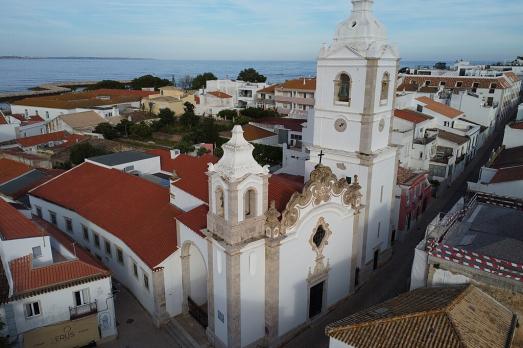
Lagos, PT
St Anthony's Church (Igreja de Santo António) is an 18th-century church built in the Baroque style and with an interior decorated with tiles.
new
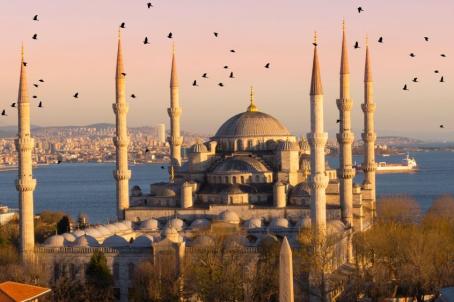
For a long time, Europe was ruled by powerful monarchies. Monarchy and religion have been connected since time immemorial. Here are 7 sites across Europe where royalty historically bent the knee to a higher power and received their crown.
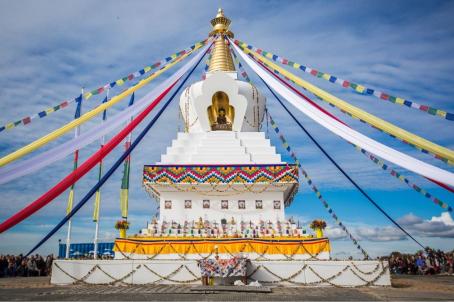
Stupas are symbols of enlightenment and peace that commemorate different stages of Buddha's life. Since the mid-20th century, thousands of stupas have begun to populate Europe. We have compiled some of the most impressive ones in this list.
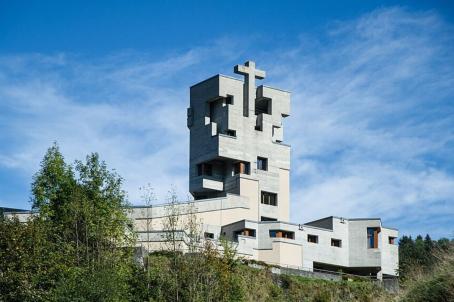
Walter Maria Förderer (1928–2006) was a Swiss architect and sculptor renowned for his neo-expressionist church designs in the 1960s. In this list we have compiled 6 of his church designs that seamlessly integrate religious and secular elements.

How is Religiana helping to conserve and promote Religious Heritage in Europe and why should you get involved?
Find out about Religiana
Are you a tourism organisation or religious heritage sites manager? Discover the advantages of becoming a partner.
See current partners
We can keep you up to date with the latest news from Religiana and religious heritage conservation across Europe.
Sign up to the FRH newsletter