Vergadering van Gelovigen
s-Gravenhage, NL
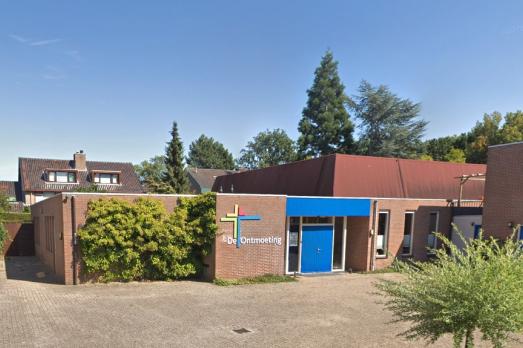
Simple but monumental hall church behind a mansion. Sometimes nicknamed "Darbi Church", but the members call it "The Local" or "The Meeting".

Here you can search for a building to visit. You can use the map find destinations, or you can use the filters to search for a building based upon what different criteria.
s-Gravenhage, NL
Simple but monumental hall church behind a mansion. Sometimes nicknamed "Darbi Church", but the members call it "The Local" or "The Meeting".
Boskoop, NL
Church of the Assembly of Believers from 1920. No tower.
Breskens, NL
Built as a Baptist church. Replaced a small church from 1918 that was destroyed during the war.
Heemstede, NL
Small church hall in expressionist style. On the front facade the name "'s Herenweg" is written in copper letters.
Alphen aan den Rijn, NL
In the Red Cross building.
Den Helder, NL
Christian Reformed Church. Out of use in 1993 due to another church building and then in use by the Assembly of Believers. The Assembly of Believers moved to Molenstraat 93 in Den Helder in 2012.
Verkhnia Khortytsia, UA
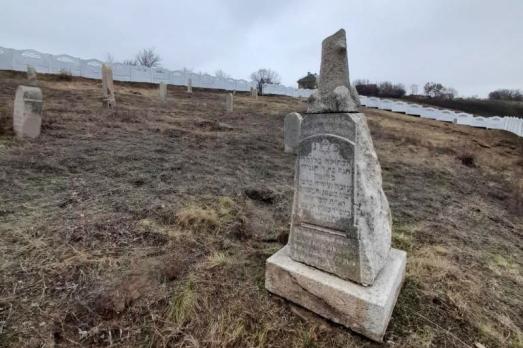
The cemetery was established in the early 19th century. The cemetery was once restored. All the tombstones dates to the pre-war period.
Verkhniy Bystryy, UA
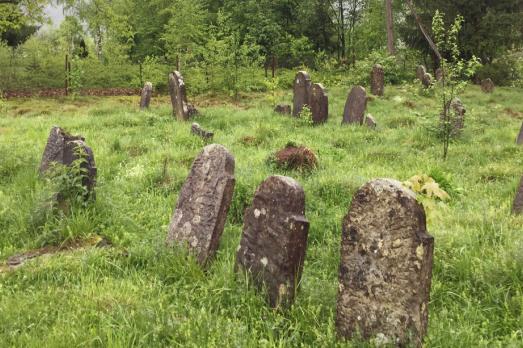
The period of the cemetery’s establishment is unknown. First, it appears on a cadastral map of 1864, but the earliest preserved gravestone relates to the second half of the 19th century.
Marknesse, NL
The Verlosserkerk was built to a design by architect Ferdinand B. Jantzen and inaugurated in 1955.
Hippolytushoef, NL
According to the facade stone, the church dates from 1861. The small windows in the front facade have wrought iron grilles from the 1950s. The church is separated from the street by a front garden with a wrought iron fence as a boundary.
new
For a long time, Europe was ruled by powerful monarchies. Monarchy and religion have been connected since time immemorial. Here are 7 sites across Europe where royalty historically bent the knee to a higher power and received their crown.
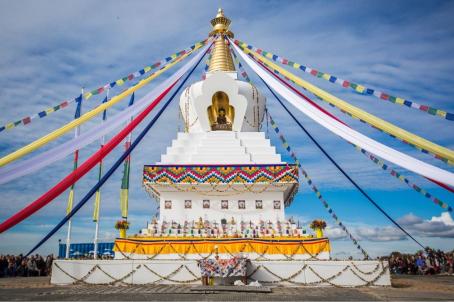
Stupas are symbols of enlightenment and peace that commemorate different stages of Buddha's life. Since the mid-20th century, thousands of stupas have begun to populate Europe. We have compiled some of the most impressive ones in this list.
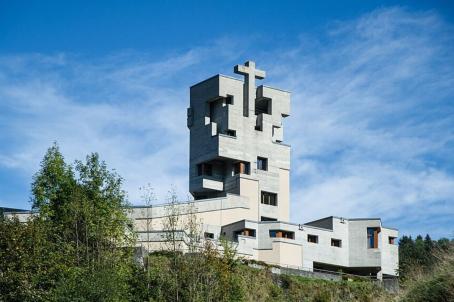
Walter Maria Förderer (1928–2006) was a Swiss architect and sculptor renowned for his neo-expressionist church designs in the 1960s. In this list we have compiled 6 of his church designs that seamlessly integrate religious and secular elements.

How is Religiana helping to conserve and promote Religious Heritage in Europe and why should you get involved?
Find out about Religiana
Are you a tourism organisation or religious heritage sites manager? Discover the advantages of becoming a partner.
See current partners
We can keep you up to date with the latest news from Religiana and religious heritage conservation across Europe.
Sign up to the FRH newsletter