Explore Religious Heritage Across Europe

Here you can search for a building to visit. You can use the map find destinations, or you can use the filters to search for a building based upon what different criteria.

Refine search

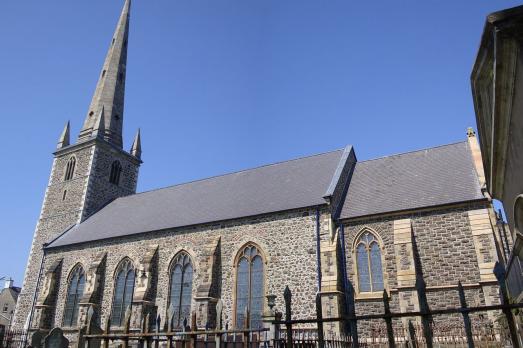
Christ Church Cathedral

Christ Church Cathedral

Lisburn, GB

Christ Church Cathedral is the Anglican cathedral of Lisburn. Construction of the present building began in 1708. A church was built on the site of the cathedral in the early 1600s by Sir Fulke Conway as a chapel of ease for his new castle. It was consecrated in 1623 and dedicated to St Thomas, but was destroyed with much of the town during the rebellion of 1641. The church was soon rebuilt and in 1662 St Thomas's was designated by Charles II as the cathedral church of the diocese of Down and Connor and renamed Christ Church Cathedral. However, the cathedral burned down in 1707.
Christ Church Cathedral

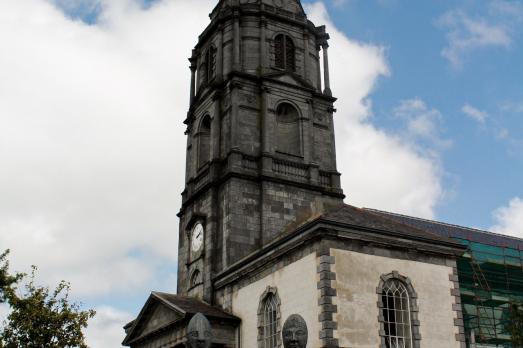
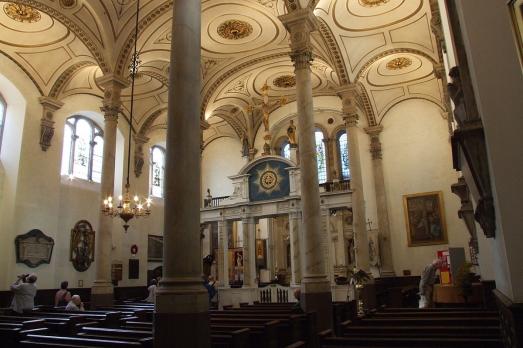
Christ Church Cathedral

Waterford, IE

Christ Church Cathedral in Waterford's Irish Anglican Cathedral. The first church on this site was built in the 11th century. It was replaced in 1210 by a Gothic cathedral. In the 18th century, the parishioners recommended to the Bishop that a new church be built. The architect was John Roberts, who had already designed many Georgian buildings in Waterford.

Christ Church with St Ewen, All Saints & St George

Christ Church with St Ewen, All Saints & St George

Bristol, GB

A church has stood on the present site since Norman times, this probably being the third, but in 1786 the medieval building, which had a history of instability, was judged beyond repair and pulled down. The present church was then built after surrender of the southern side of the site to enable Wine Street to be widened.

Christ Church

Christ Church

Hampstead, GB

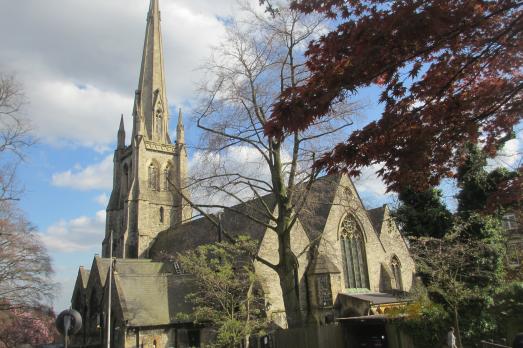
Christ Church, Hampstead, built between 1850 and 1852 in the Early English Gothic style. In 1881-1882, the north porch and north aisle were added. In 2015, major renovation work was carried out on the church.

Christ Church

Christ Church

Mainz, DE

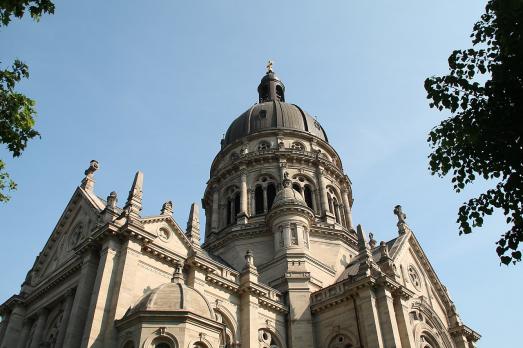
The Christ Church in Mainz is a Protestant church built between 1896 and 1903 according to the plans of Eduard Kreyssig. The building is reminiscent of the Italian High Renaissance style. In addition to religious services, the Christ Church is also popular for music. Since 1954, the Mainz Bach Choir and Orchestra have been using the church regularly.

Christ the Saviour Cathedral, Banja Luka

Christ the Saviour Cathedral, Banja Luka

Banja Luka, BA

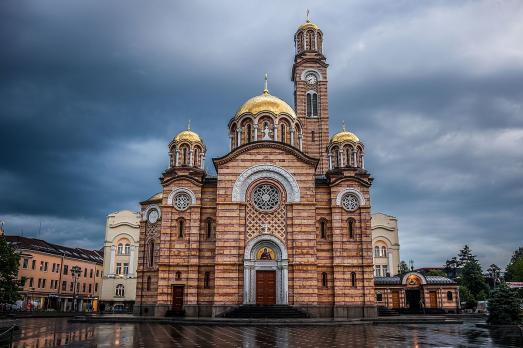
The first church on the site of today's Cathedral of Christ the Saviour was built during the Ottoman period. It was destroyed after the 1875 uprising against the Turks. After the First World War, a new cathedral was built on this site between 1925 and 1939, but in 1941 it was bombed and its apse was badly damaged. Left in ruins by the communist regime, it was not until 1993 that the cathedral was rebuilt and finally completed in 2009.

Christchurch Priory

Christchurch Priory

Christchurch, GB

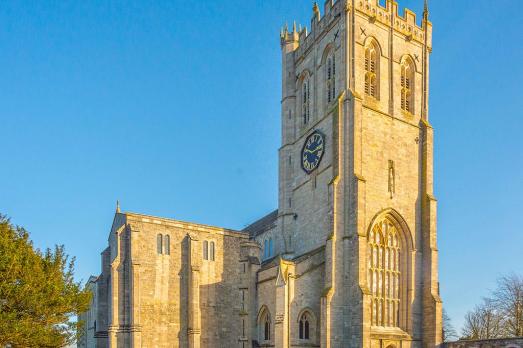
Christchurch Priory, an 11th century Grade 1 Listed building, given five stars in Simon Jenkins seminal work on English Parish Churches. The Priory is the longest parish church in the country and has been a place of worship for centuries and offers peace and calm and an opportunity for prayer.

Christelijk Gereformeerde Kerk

Elburg, NL

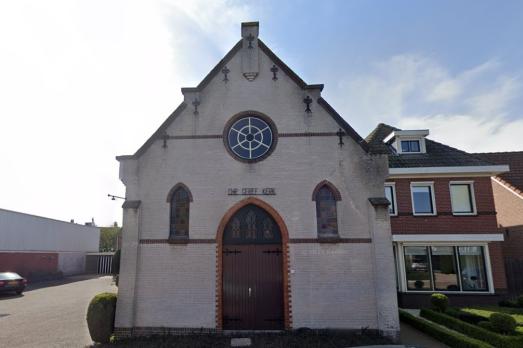
In 1863, the innkeeper Lubbertus van Hulzen sold his building on the Beekstraat to the church council of the Christian Separatist Church. Since that year, the text: Peace through the blood of the cross 1863 has been on the facade of this building. The history of the Secession in Elburg goes back to 1835. On 1 December of that year, a written statement was read out at the church council meeting of the Dutch Reformed Church by 6 "male members", who stated that from that moment on they "wished to consider themselves as separated from the Reformed Church". This is where the origin of the Christian Reformed Church of Elburg lies. The first meetings of the Separatists were held in a building owned by Lucas van de Kerk on Bloemstraat 13. For many years, the number of members was limited to a few families. It was therefore difficult to support a minister. The congregation was therefore vacant for long periods. In the 1859 census, the Separatist Church had 53 members. In 1876, the church council even seriously considered closing down the church in Elburg and transferring the remaining members to neighbouring congregations, partly due to a lack of suitable church council members. At the end of 1887, a favourable turnaround occurred. Due to the influence of the Doleantie, a number of members of the Reformed Church transferred to the Christian Separatist Church. In a short time, the congregation grew from 60 to 140 souls. From the 1960s onwards, the church grew strongly. In 1965, the church had 191 members, in 2008 the number had increased to approximately 350 souls. There was particularly great growth in the 1970s, because then Rev. Roos was in this church, while the Reformed Church was served by a minister who was considered too left-wing by many. The number of members then grew in a few years from less than 200 to more than 400. This number decreased slightly due to the problems surrounding Rev. Veenendaal in 1999, but nowadays the number is growing again slowly but surely. Because of this growth, the church building was thoroughly renovated in 1988. After this renovation, the church building offers space for a maximum of 435 people. The interior of the building is characterized by sobriety and simplicity.

Christelijk Gereformeerde Kerk

Dokkum, NL

Built in 1976 behind the previous church. After completion of the new church the old one was demolished. No tower.

Be inspired

Stupkalnis.lt

10 Buddhist stupas to discover in Europe

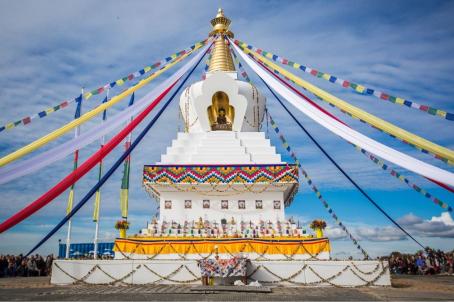
Stupas are symbols of enlightenment and peace that commemorate different stages of Buddha's life. Since the mid-20th century, thousands of stupas have begun to populate Europe. We have compiled some of the most impressive ones in this list.