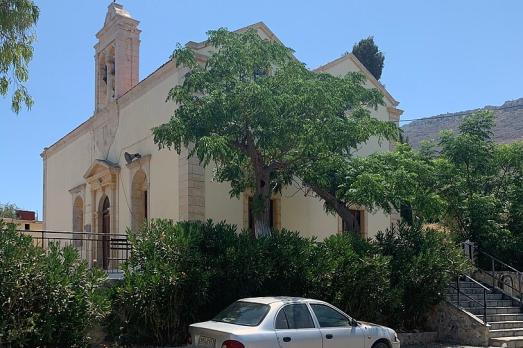
Church of Kokkino Chorio
Kokkino Chorio, GR
.

Here you can search for a building to visit. You can use the map find destinations, or you can use the filters to search for a building based upon what different criteria.
Kokkino Chorio, GR
.
Gandesa, ES
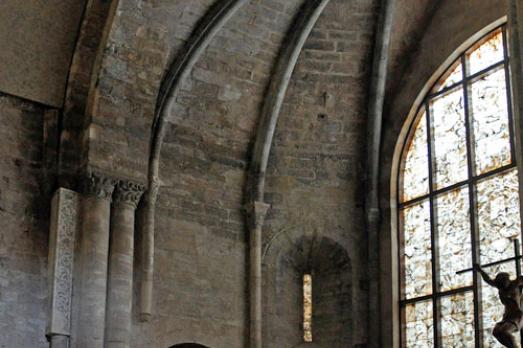
The Church of the Assumption (Església de l'Assumpció) was built on the initiative of the Templars in the Gandesa Castle. Although the building was considerably enlarged and renovated, it still preserves a remarkable decorated doorway from its first period, the 13th century.
Cabo de Gata, ES
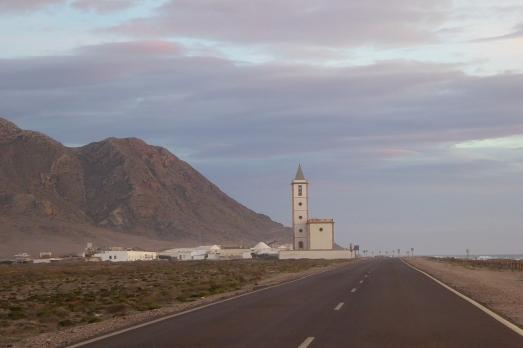
The church of Las Salinas de Cabo de Gata was built in 1907 by the Acosta family, owners of the salterns of Las Salinas de Cabo de Gata and was intended for the workers of the salterns. Continuously in service, but gradually deteriorating, the church was finally restored in 2012.
Kalamata, GR
.
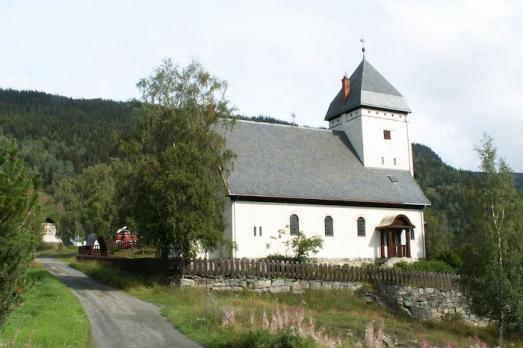
Lomen, NO
The church of Lomen was built in masonry in 1914. The church is characterized by neo-Romanesque and New Baroque forms with elements of Art Nouveau. The interior is well done and well preserved from the period of construction, except for the colours, which are from 1957.
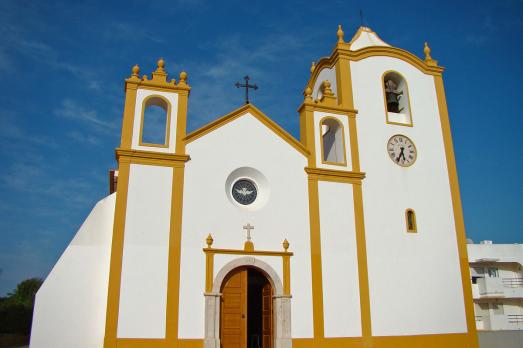
Luz, PT
The church of Luz de Lagos was mainly built in 1874, the church tower was built later by the local resident, who also bought the tower clock. The church is located in a picturesque place, which makes it a tourist attraction.
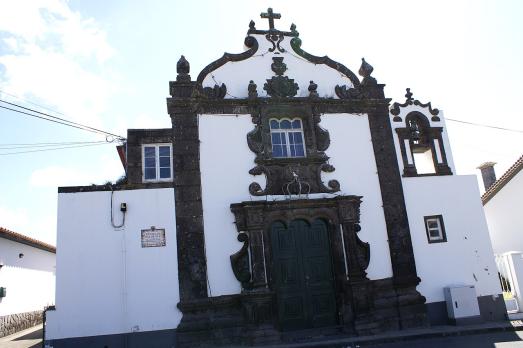
Ponta Delgada, PT
The Chapel of Mãe de Deus is located in the town and municipality of Vila Franca do Campo, on the island of São Miguel, Autonomous Region of the Azores, in Portugal. It was used for many years by nearby communities as a funeral chapel. It was donated in December 1984 to the municipality of Vila Franca do Campo by Manuel Inácio de Melo and his family, according to the tile panel on its facade.
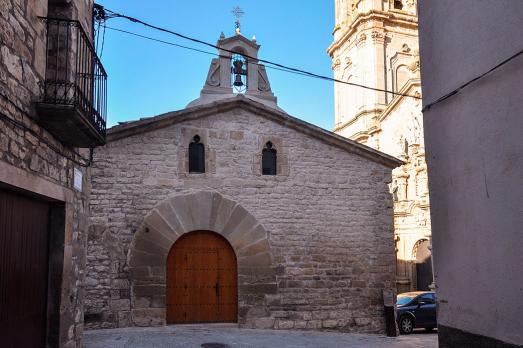
Vilalba dels Arcs, ES
The Church of Mare de Déu de Gràcia is a Gothic construction from the Templar period, dedicated to the Mare de Déu de Gràcia. It is also known as "la Confraria". The Templars and Hospitallers of Miravet had a castle and a parish church in medieval times. The castle is believed to have fallen into ruin in the 17th century and some vestiges have been identified.
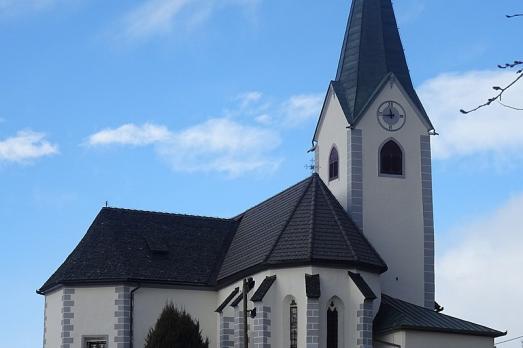
Frankolovo, SI
The Church of Mary of the Rosary was probably built by the Carthusian monks of Žiče at the end of the 14th century. From the original Gothic church, which had a flat vaulted nave, the vaulted presbytery and the wall of the nave, which is the eastern part of the present nave, have been preserved. After the first Turkish invasion, the church was surrounded by a large camp wall with several towers. The last one was demolished at the end of the 19th century.
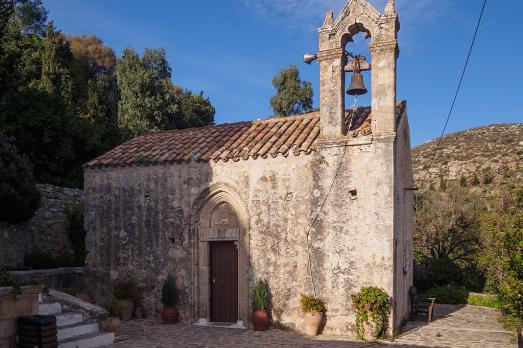
Kapetaniana, GR
The Byzantine church of Mary (Panagia) in Kapetania was once the catholicon of the influential Monastery of the "Lord have mercy" that stood around it. After the Ottoman occupation of the island, the monastery was abandoned. The church preserves 13th-century mural paintings from the school of Constantinople.
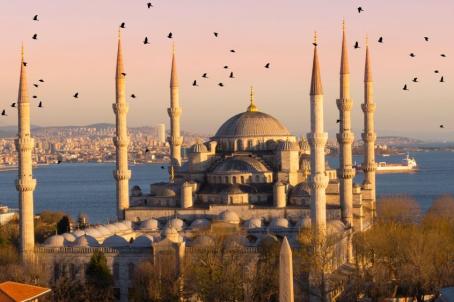
new
For a long time, Europe was ruled by powerful monarchies. Monarchy and religion have been connected since time immemorial. Here are 7 sites across Europe where royalty historically bent the knee to a higher power and received their crown.
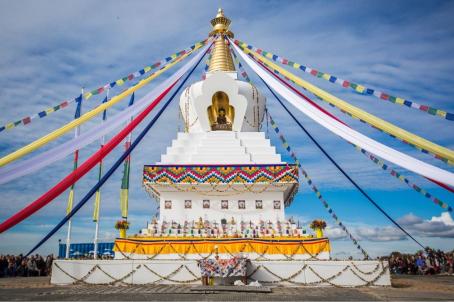
Stupas are symbols of enlightenment and peace that commemorate different stages of Buddha's life. Since the mid-20th century, thousands of stupas have begun to populate Europe. We have compiled some of the most impressive ones in this list.
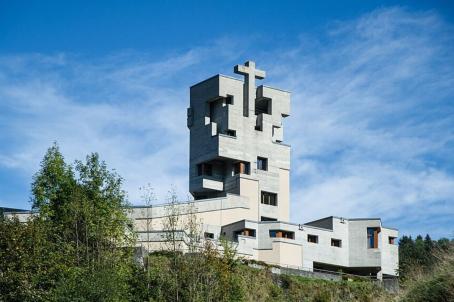
Walter Maria Förderer (1928–2006) was a Swiss architect and sculptor renowned for his neo-expressionist church designs in the 1960s. In this list we have compiled 6 of his church designs that seamlessly integrate religious and secular elements.

How is Religiana helping to conserve and promote Religious Heritage in Europe and why should you get involved?
Find out about Religiana
Are you a tourism organisation or religious heritage sites manager? Discover the advantages of becoming a partner.
See current partners
We can keep you up to date with the latest news from Religiana and religious heritage conservation across Europe.
Sign up to the FRH newsletter