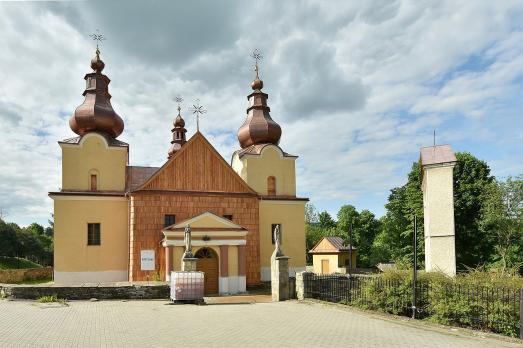
Church of St Michael the Archangel, Ropa
Ropa, PL
This parish church of St Michael the Archangel was built in 1761 as a wooden building, but later additions turned it into a structure combining wood, brick and shingle.

Here you can search for a building to visit. You can use the map find destinations, or you can use the filters to search for a building based upon what different criteria.
Ropa, PL
This parish church of St Michael the Archangel was built in 1761 as a wooden building, but later additions turned it into a structure combining wood, brick and shingle.
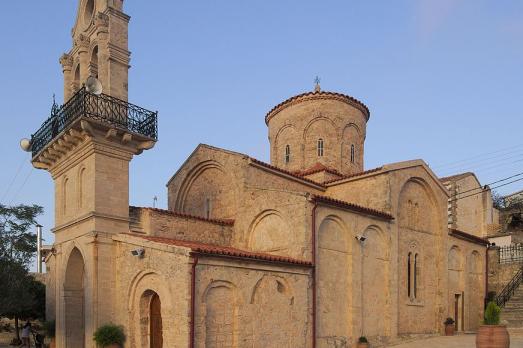
Agios Mironas, GR
The church of St. Myron in the village of Agios Mironas is named after the 4th-century archbishop of Crete, Saint Myron. The church was built around his hermitage and his tomb and relics are preserved here.
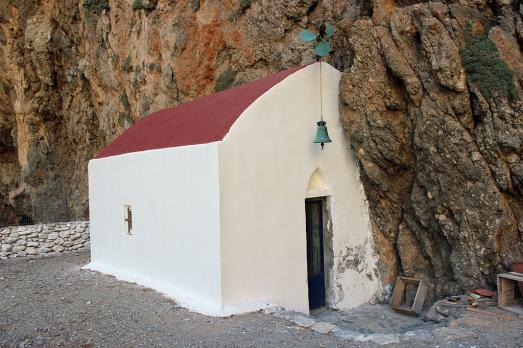
Tripiti, GR
The Church of St Nicholas (Agios Nikolaos) is an Orthodox chapel built in the shelter of the rocky mountain wall in the Tripiti Gorge.
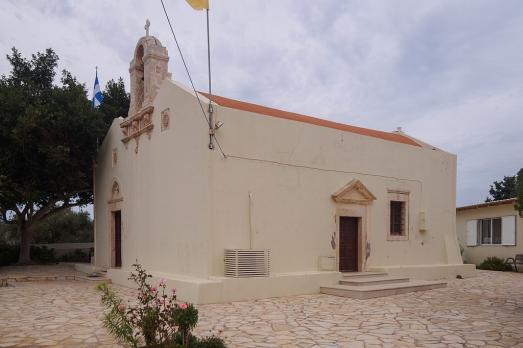
Skepasti, GR
.
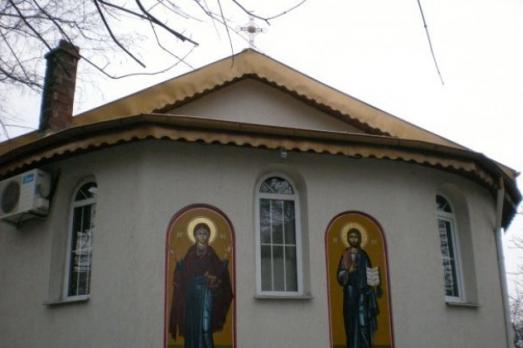
Ruse, BG
The Church of St Nicholas the Miracle Worker, known as the "Russian Church", is the third Orthodox church built in the city of Ruse, after the Holy Trinity and St. George. The church was consecrated in 1873 by the Greek community of the city.
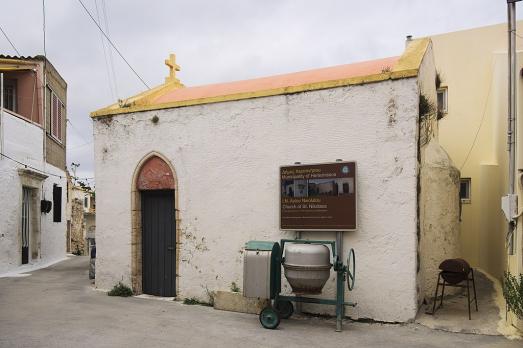
Episkopi, GR
The Church of St. Nicholas (Agios Nikolaos) in Episkopi is a small, single-nave church dating from 1444.
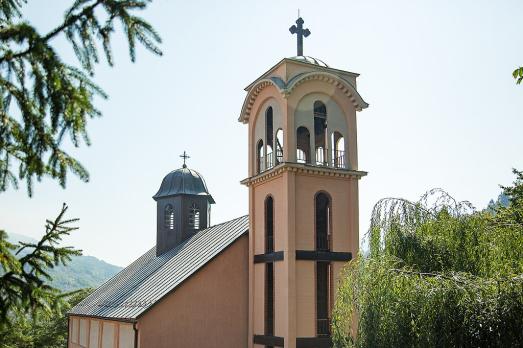
Foča, BA
The Church of St Nicholas is a Serbian Orthodox temple built in the 19th century in Foča. Its bell tower was added in 1975 replacing a wooden belfry. It preserves important icons and frescoes.
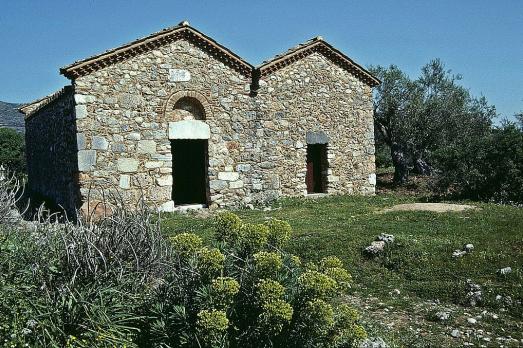
Geraki, GR
.
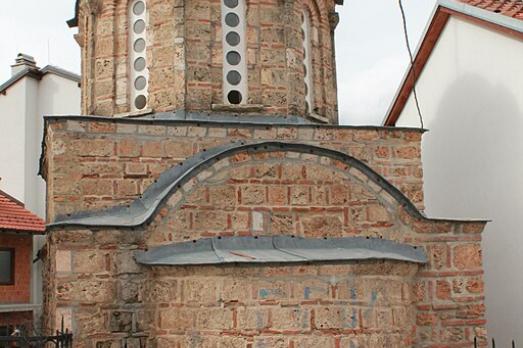
Prizren, RS
The Church of St Nicholas, is a 14th-century Orthodox church in Prizren. It is also known as Tutić Church, after its founder Dragoslav Tutić.
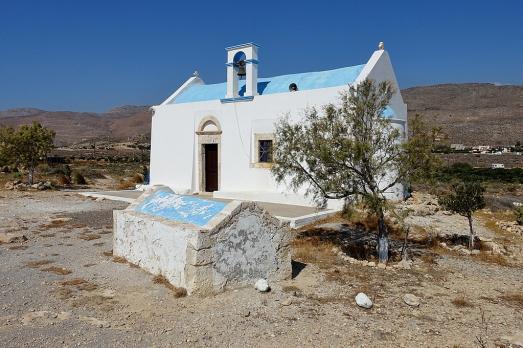
Xerokampos, GR
The church of St Nicholas(Agios Nikolaos) in the village of Xerokampos was built in 1895.
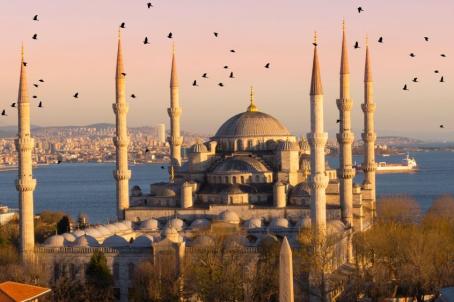
new
For a long time, Europe was ruled by powerful monarchies. Monarchy and religion have been connected since time immemorial. Here are 7 sites across Europe where royalty historically bent the knee to a higher power and received their crown.
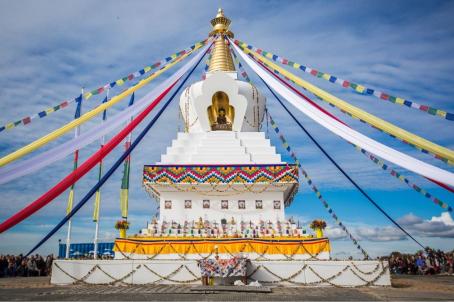
Stupas are symbols of enlightenment and peace that commemorate different stages of Buddha's life. Since the mid-20th century, thousands of stupas have begun to populate Europe. We have compiled some of the most impressive ones in this list.
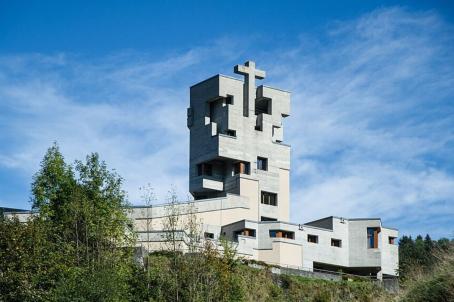
Walter Maria Förderer (1928–2006) was a Swiss architect and sculptor renowned for his neo-expressionist church designs in the 1960s. In this list we have compiled 6 of his church designs that seamlessly integrate religious and secular elements.

How is Religiana helping to conserve and promote Religious Heritage in Europe and why should you get involved?
Find out about Religiana
Are you a tourism organisation or religious heritage sites manager? Discover the advantages of becoming a partner.
See current partners
We can keep you up to date with the latest news from Religiana and religious heritage conservation across Europe.
Sign up to the FRH newsletter