Explore Religious Heritage Across Europe

Here you can search for a building to visit. You can use the map find destinations, or you can use the filters to search for a building based upon what different criteria.

Refine search

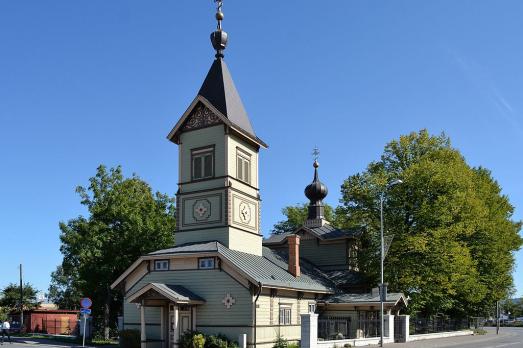
Church of St. Simeon and the Prophetess Anne

Church of St. Simeon and the Prophetess Anne

Tallinn, EE

The Church of St. Simeon and the Prophetess Anne is the Orthodox Apostolic Cathedral in Tallinn. It was built between 1752 and 1755 on the initiative of seafarers. As the coastline was then much closer to the city, the church was almost on the waterfront and the foundations had to be filled in. According to tradition, shipwrecks were used for this purpose. The historic wooden building suffered during the Soviet era but has now been completely restored.
Church of St. Sophia

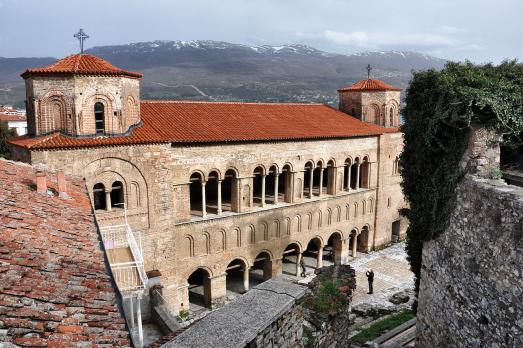
Church of St. Sophia

Ohrid, MK

The Church of St. Sophia, with its medieval architecture and frescoes, is one of the most important monuments in Macedonia. It is believed to have been built in the 9th century, the present church is a reconstruction of the 11th century, but the courtyard was built later, in the 14th century. In the second half of the 15th century, with the Ottomans, the church was transformed into a mosque and all the frescoes were covered with lime, the dome of the church was flattened, minarets were erected over the northwestern domes. Left abandoned in the first half of the 20th century, restorations carried out immediately after the Second World War revealed the frescoes again.

Church of St. Stanislav

Church of St. Stanislav

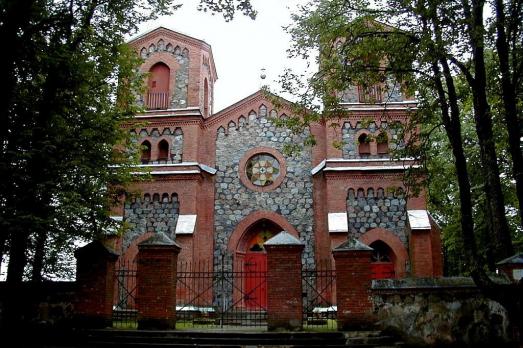
Barkava, LV

The Roman Catholic Church of St. Stanislav was built in 1882 on a previous church built in 1793. The church is a rectangular three-storey building built in an eclectic style with rock. The facades are finished with borders, pilasters, intermediate cornices of red brick. The church has pointed arch windows whose painted stained glass windows have been preserved.

Church of St. Stanisław the Bishop, Skrzyszów

Church of St. Stanisław the Bishop, Skrzyszów

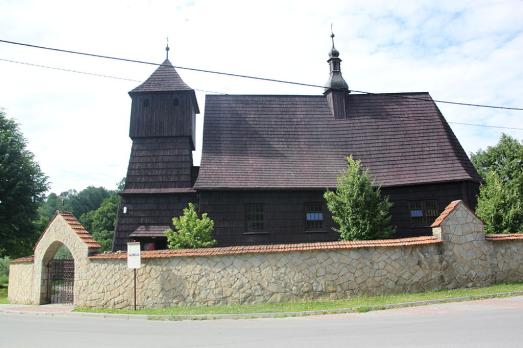
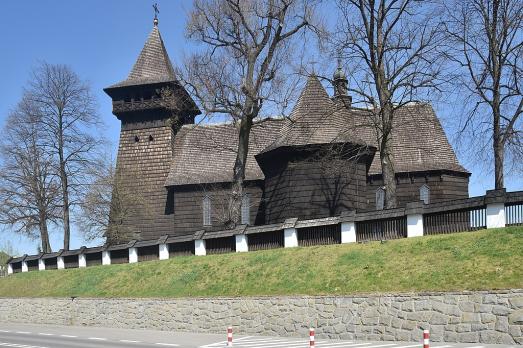
Skrzyszów , PL

The Parish Church of St. Stanisław the Bishop in Skrzyszów was erected in 1517, and in the C18th the nave was enlarged and a pillar spire with a gallery surrounding the bell house (a hourdis) was added.

Church of St. Štefan

Church of St. Štefan

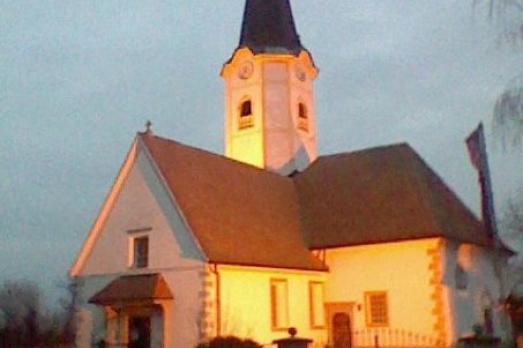
Gomilsko, SI

The church of St. Štefan was first mentioned directly in 1545 when it was a branch church of the parish of Braslov. However, the church was indirectly mentioned as early as 1363. The style of the original church was strongly altered by a restoration in Baroque style. The church also received two chapels in the 18th century. In 1972, a new altar was erected and the whole church was restored.

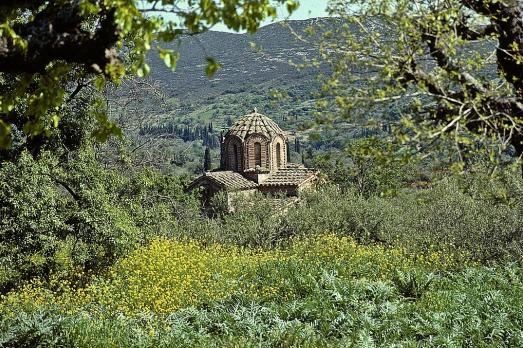
Church of St. Stephan, Drakona

Church of St. Stephan, Drakona

, GR

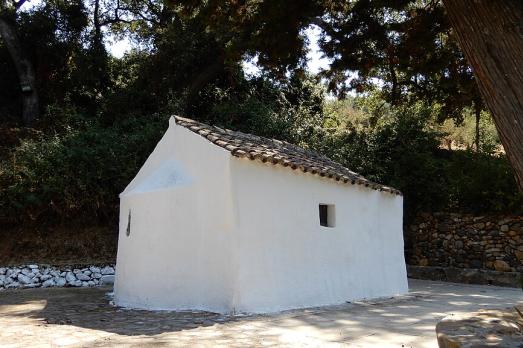
The church of St. Stephan (Agios Stefanos) in the small village of Drakona is a historic Byzantine temple built in the 10th century. It is located just 2.5km from Spilia. Some remains of the original frescoes that decorated the walls are preserved.

Church of St. Suzanne

Church of St. Suzanne

Schaerbeek, BE

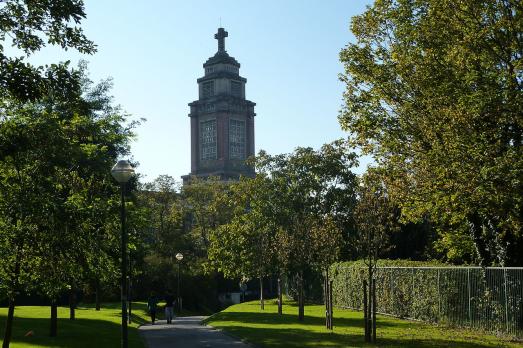
The Church of St. Suzanne was built on private initiative from 1926 to 1928. It was built on the initiative of Mrs Louise Thiery, in memory of her daughter Suzanne who died at the age of 20. The church was designed by the architect Jean Combaz, who drew up the plans in 1925. The Art Deco style building was completely renovated between 2014 and 2018.

Church of St. Symphorien

Church of St. Symphorien

Tours, FR

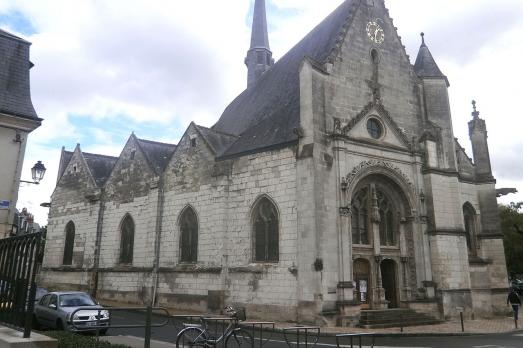
The church of St. Symphorien was first mentioned by the Frankish king Charles the Bald (843-877) in 852. In the 11th century, the population increased, which made it necessary to build a larger church. Three parts were therefore built, which still exist today: the apse, the bay and the stone bell tower. The church underwent a major reconstruction in the Renaissance style in the 16th century. Until the 18th century, the church of St. Symphorien was always under the control of the abbey of Marmoutier.

Be inspired

Stupkalnis.lt

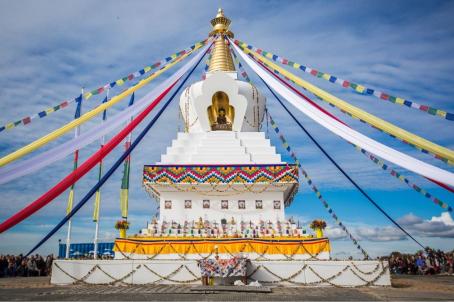
10 Buddhist stupas to discover in Europe

Stupas are symbols of enlightenment and peace that commemorate different stages of Buddha's life. Since the mid-20th century, thousands of stupas have begun to populate Europe. We have compiled some of the most impressive ones in this list.