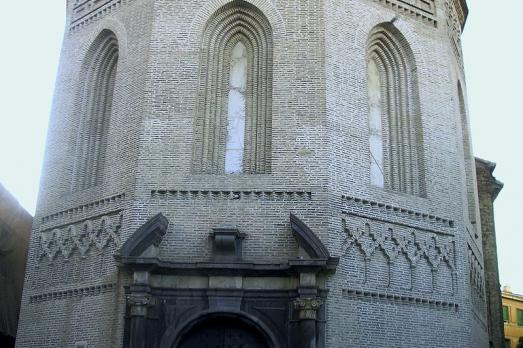
Iglesia de Santa María Magdalena
Zaragoza, ES
The Santa María Magdalena is a church of Mudejar style dating from the 14th century. Its Baroque interior is from the 17th and 18th centuries.

Here you can search for a building to visit. You can use the map find destinations, or you can use the filters to search for a building based upon what different criteria.
Zaragoza, ES
The Santa María Magdalena is a church of Mudejar style dating from the 14th century. Its Baroque interior is from the 17th and 18th centuries.
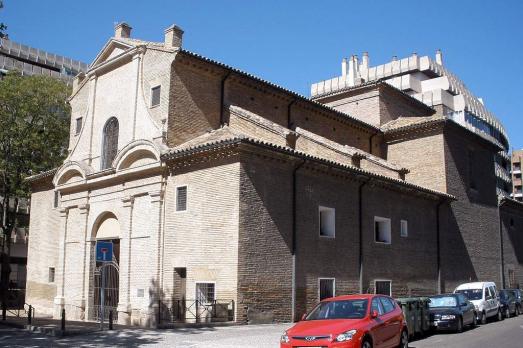
Zaragoza, ES
The Church of Santa Teresa of the convent of the Fecetas is a Baroque monument of Zaragoza. It was founded in 1623 on an old convent of Discalced Carmelites of St. Teresa whose church has been preserved. It was declared National Monument in 1970.
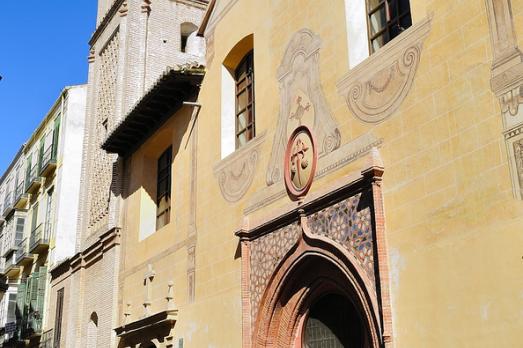
Málaga , ES
The 15th century Santiago Apóstol church is a fine example of Gothic-Mudejar style, a style born of the mixture of Christian and Islamic medieval architecture.
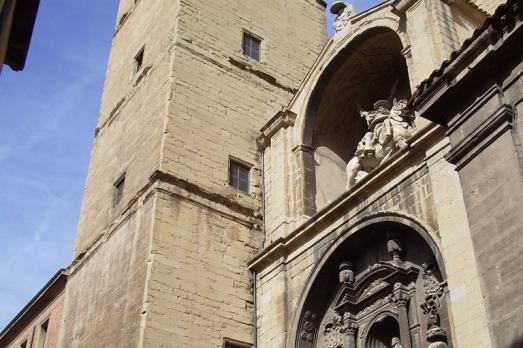
Logroño, ES
The church of Santiago el Real was built between 1570 and 1573 on an old medieval church that was almost completely destroyed by fire. The Renaissance façade was commissioned to Juan Raón and built between 1669 and 1672. In 1667, Juan Raón was also commissioned to replace the upper choir with a lower choir with a gallery, work began and the western walls were knocked down, but they were not continued. The sacristy and chapter house also date from the 18th century.
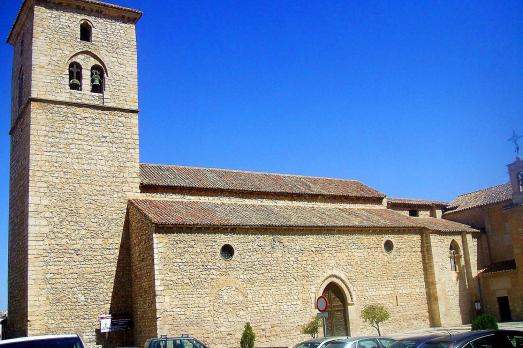
Ciudad Real, ES
The church of Santiago Apóstol was built from the end of the 13th to the beginning of the 14th century, which makes it the first church built in the city. It is a transitional religious building between the late Romanesque and the early Gothic. It was located in the Jewish quarter, which gradually became Christianised due to the influx of Christians.
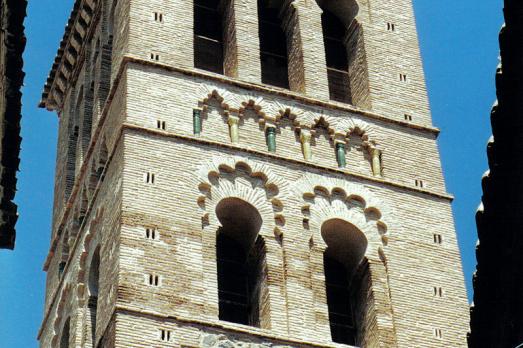
Toledo, ES
The church of Santo Tomé was founded after the reconquest of this city by King Alfonso VI of Leon (1085). The church was built on an old mosque from where its Mudejar style.
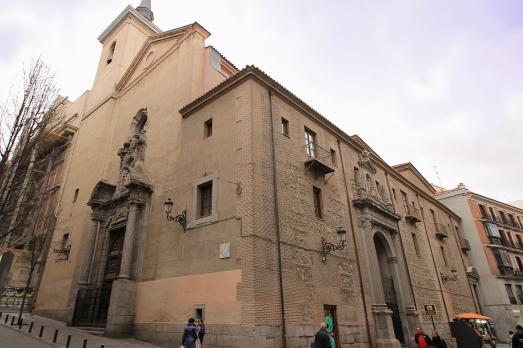
Madrid, ES
The church of Nuestra Señora del Carmen and San Luis Obispo, built between 1611 and 1640, is the only remnant of the former Carmelite convent of Carmen Calzado. The convent was dismantled in 1836, but the church was preserved and converted into a parish church in 1910.
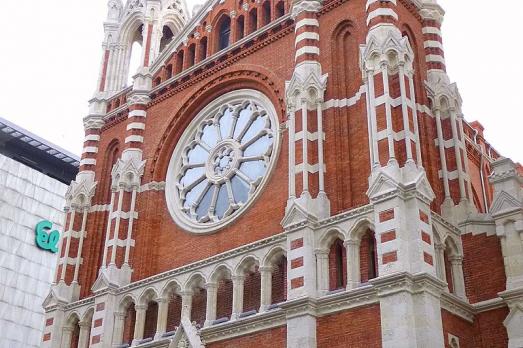
Bilbao, ES
The church of the Sacred Heart is a neo-Gothic church built in the late nineteenth century. It is part of the Residencia de San Ignacio, the Compañía de Jesús.
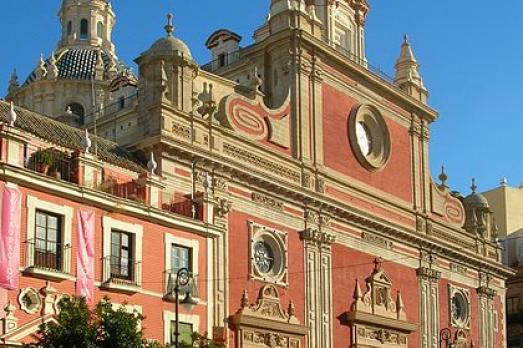
Seville, ES
The Collegiate Church of the Divine Savior is the largest church in Seville after its cathedral. The current building was built between 1674 and 1712 on the site of an old mosque.
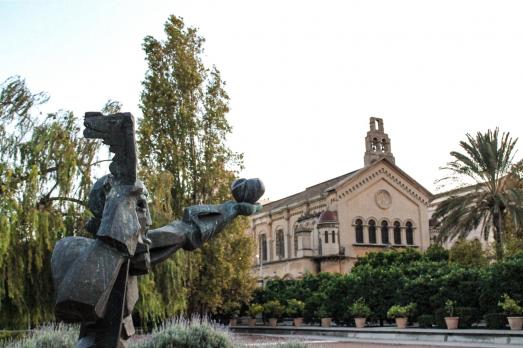
Valencia, ES
On the banks of the River Turia and next to the Botanical Gardens, Valencia has the Church of the Society of Jesus in the Arrupe Centre, formerly the San José School. Erected by the architect Joaquín María Belda in 1884, it is one of the few churches in the city in the neo-Byzantine style. The majestic interior space culminates in a barrel vault with a blue background and golden stars, enhanced by the play of light from the coloured stained glass windows.
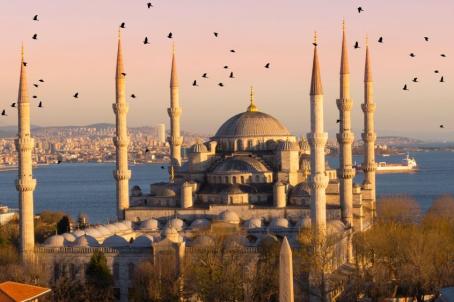
new
For a long time, Europe was ruled by powerful monarchies. Monarchy and religion have been connected since time immemorial. Here are 7 sites across Europe where royalty historically bent the knee to a higher power and received their crown.
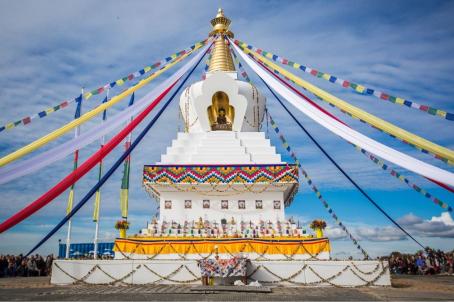
Stupas are symbols of enlightenment and peace that commemorate different stages of Buddha's life. Since the mid-20th century, thousands of stupas have begun to populate Europe. We have compiled some of the most impressive ones in this list.
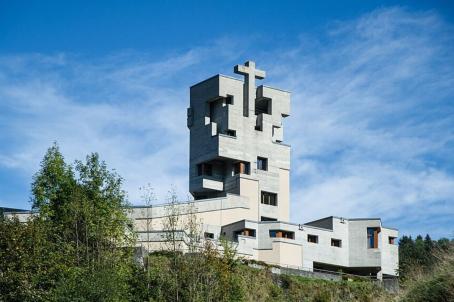
Walter Maria Förderer (1928–2006) was a Swiss architect and sculptor renowned for his neo-expressionist church designs in the 1960s. In this list we have compiled 6 of his church designs that seamlessly integrate religious and secular elements.

How is Religiana helping to conserve and promote Religious Heritage in Europe and why should you get involved?
Find out about Religiana
Are you a tourism organisation or religious heritage sites manager? Discover the advantages of becoming a partner.
See current partners
We can keep you up to date with the latest news from Religiana and religious heritage conservation across Europe.
Sign up to the FRH newsletter