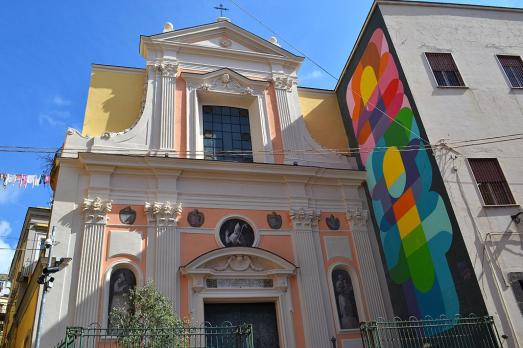
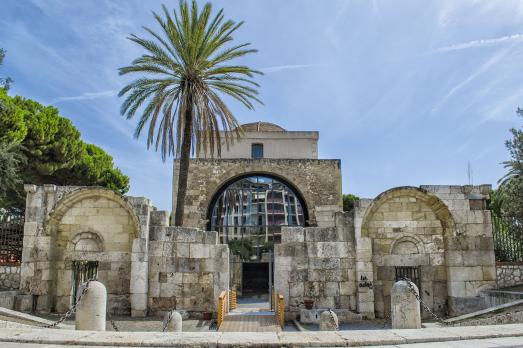
Basilica of San Severo fuori le mura, Naples
Naples, IT
The Basilica of San Severo is a 16th-century church built in honour of Naples's 12th bishop.
Here you can search for a building to visit. You can use the map find destinations, or you can use the filters to search for a building based upon what different criteria.
Naples, IT
The Basilica of San Severo is a 16th-century church built in honour of Naples's 12th bishop.
Roma, IT
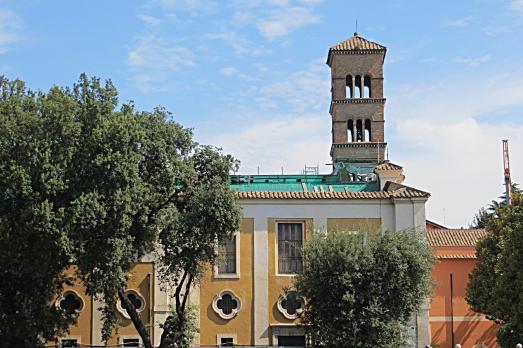
The Basilica of San Sisto vecchio was first built in the 4th century and rebuilt at the beginning of the 13th century by order of Pope Innocent III (1198-1216). A fresco painted on this occasion and depicting scenes from the New Testament and apocrypha is preserved. The rest of the building, with the exception of the apse and the bell tower, was rebuilt in the 18th century by order of Pope Benedict XIII (1724-1730).
Varese , IT
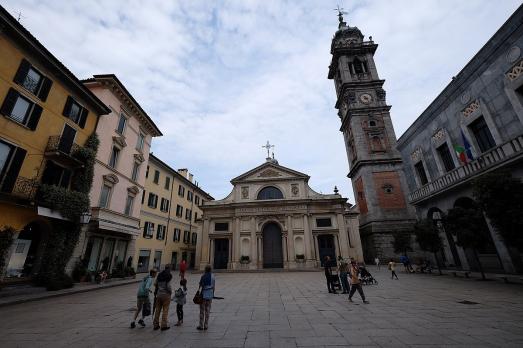
The Collegiate Basilica of San Vittore was built between the 16th and 17th centuries next to the 14th-century Baptistery of St. John. The presbytery, in Mannerist-Renaissance style, was built between 1500 and 1542, the body of the church, also in Mannerist style, was built between 1580 and 1625. Meanwhile, the construction of the Mannerist Baroque bell tower took place over a longer period between the 17th and 18th centuries, as it was erected several times. The neoclassical façade is a later work of the 18th century.
Verona, IT
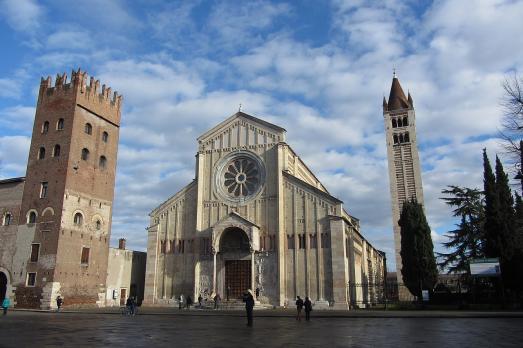
The Basilica of San Zeno is a church probably founded in the 9th century on the tomb of Zeno of Verona (300-371). The current Romanesque church dates back to the 10th-11th centuries. The church is famous for its altarpiece of San Zeno, made by Andrea Mantegna (1431-1506).
Como, IT
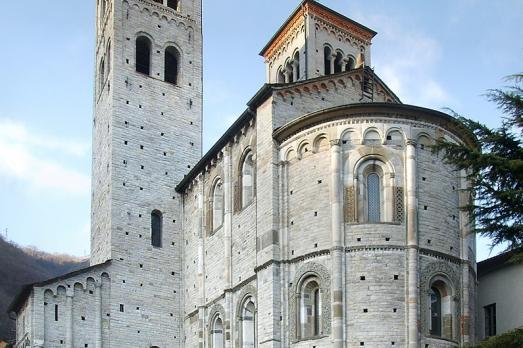
The Basilica of Sant'Abbondio is a Romanesque church built between 1050 and 1095 on a pre-existing 5th century Paleochristian basilica. The church was a cathedral (818-1013) and then an abbey church (1013-1783). Taking a classical appearance in the 16th century, the church regained its Romanesque style from the 19th century.
Roma, IT
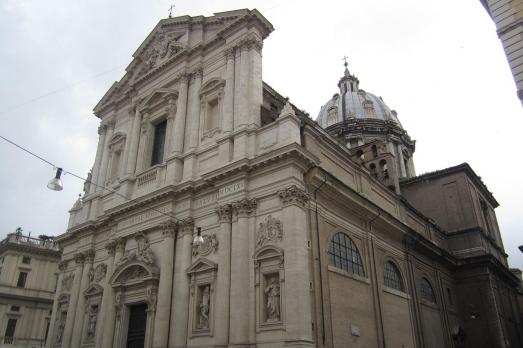
The Basilica of Sant'Andrea della Valle was designed and built by Giacomo Della Porta, Francesco Grimaldi and Carlo Maderno between 1590 and 1650, on the site of a small church. The Baroque façade was then added between 1655 and 1663 by Carlo Rainaldi.
Mantova, IT
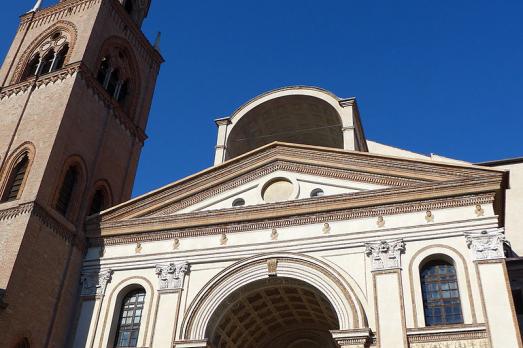
The basilica of Sant'Andrea was built in 1472 on the site of an old 11th-century church. Built according to Leon Battista Alberti's plans, it is the largest church in Mantua. In the crypt are kept two reliquaries with earth soaked in the blood of Christ.
Piacenza, IT
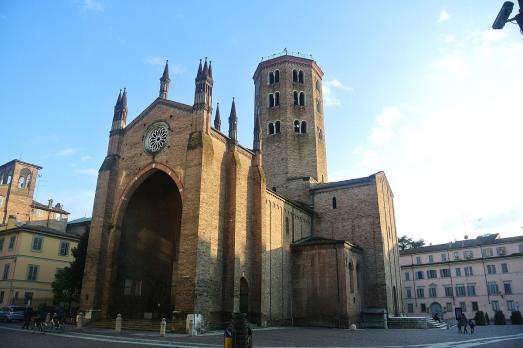
The Basilica of Sant'Antonino was founded in the 4th century and preserves the relics of Antoninus of Piacenza, the patron saint of the town. It is an example of Romanesque architecture and is characterised by a large octagonal tower. The basilica welcomed the delegates of the Lombard League and Emperor Frederick Barbarossa, who gathered there to sign the preliminaries of the Peace of Constance (1183).
Spoleto, IT
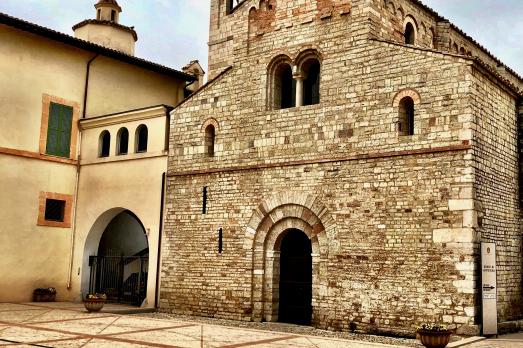
The church of St. Euphemia was first mentioned as a monastic church by a written source from the 10th century. From 1500 onwards, the church underwent harmful renovations: its upper floor was annexed to the episcopal palace, the façade was plastered and the small bell tower was demolished. It remained as it was until 1907, when the structure was completely restored and completed in 1954.
Verona, IT
The basilica of Santa Anastasia, begun in 1290, was never completed although the church was consecrated in 1471. The church was built for the Dominicans and remained theirs until the dissolution of the order in 1807. The church was then entrusted to the secular clergy, while the adjacent convent, now abandoned, later became the seat of a high school. The church is the most important Gothic monument in Verona. Inside you can admire paintings and frescoes by famous masters of painting from Verona and elsewhere.
new
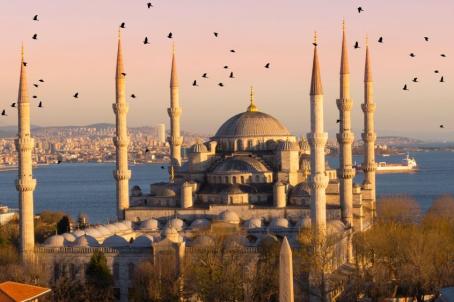
For a long time, Europe was ruled by powerful monarchies. Monarchy and religion have been connected since time immemorial. Here are 7 sites across Europe where royalty historically bent the knee to a higher power and received their crown.
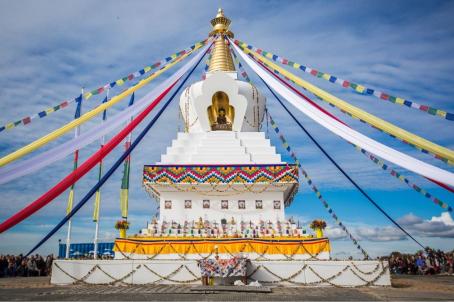
Stupas are symbols of enlightenment and peace that commemorate different stages of Buddha's life. Since the mid-20th century, thousands of stupas have begun to populate Europe. We have compiled some of the most impressive ones in this list.
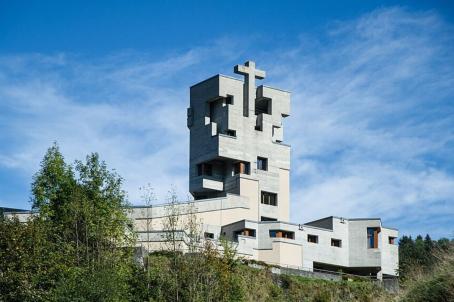
Walter Maria Förderer (1928–2006) was a Swiss architect and sculptor renowned for his neo-expressionist church designs in the 1960s. In this list we have compiled 6 of his church designs that seamlessly integrate religious and secular elements.