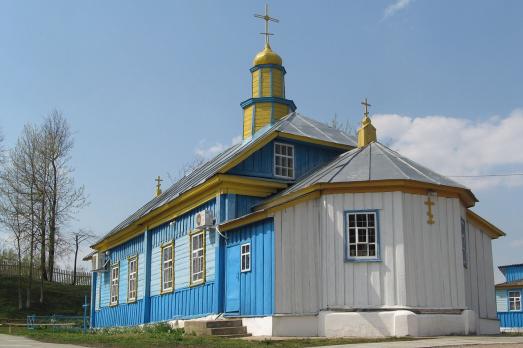
St. Nicholas' Church
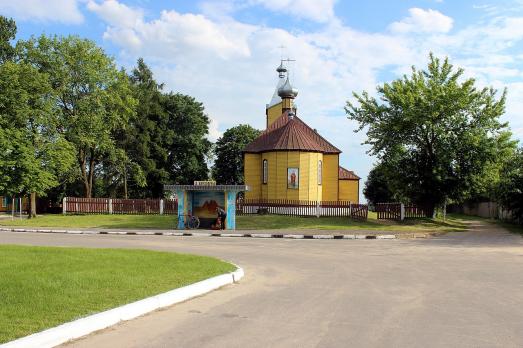
Viarchovičy, BY
St. Nicholas' Church is a wooden Orthodox church built at the beginning of the 19th century. It is a monument of classicist architecture. The main entrance is decorated with a portico with 4 columns.
Here you can search for a building to visit. You can use the map find destinations, or you can use the filters to search for a building based upon what different criteria.
Viarchovičy, BY
St. Nicholas' Church is a wooden Orthodox church built at the beginning of the 19th century. It is a monument of classicist architecture. The main entrance is decorated with a portico with 4 columns.
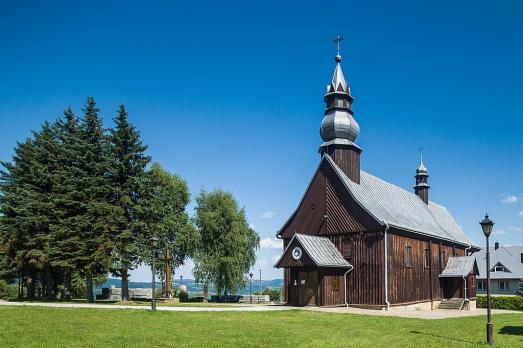
Tęgoborze, PL
St. Nicholas’ Church in Tabaszowa was erected in 1753 in nearby Tęgobórz, and was moved to its current extremely scenic location in 1982.
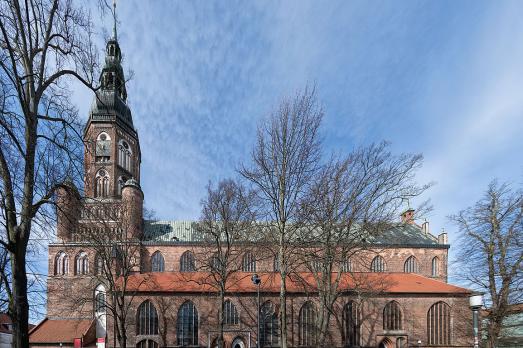
Greifswald, DE
The Nikolaikirche was first mentioned in a document in 1262. Around 1390, a five-bay basilica choir was added. While the interior of the church is characterised by a neo-Gothic redesign from 1824-1832, valuable wall paintings from the 14th and 15th centuries can be found in some side chapels.
Jena, DE
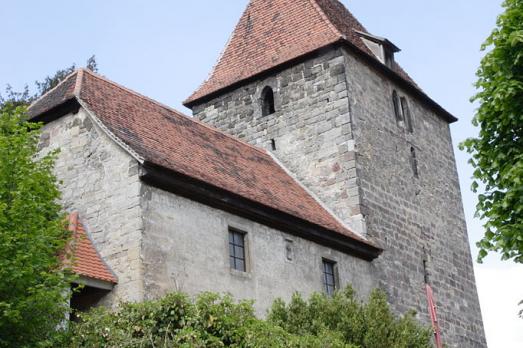
St. Nicholas Church is the Protestant place of worship in Leutra. Like the choir, the walled church dates from the 12th century. The ashlar masonry tower with simple slotted window openings became a four-storey fortified tower in the second half of the 13th century.
Jomala, FI
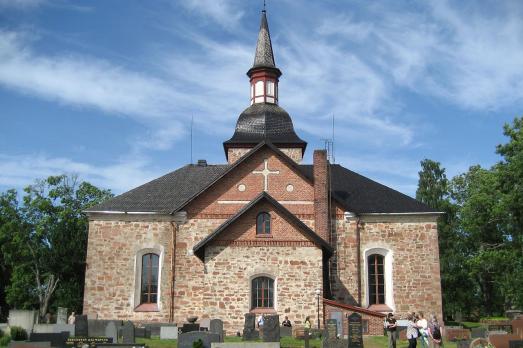
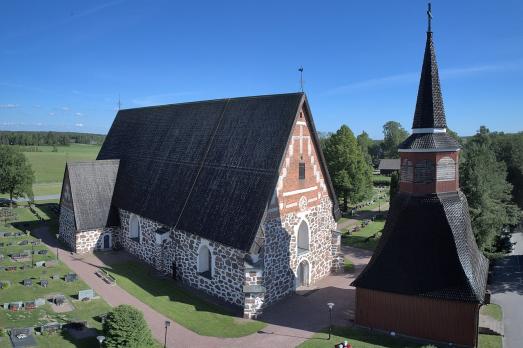
This stone church is believed to be the oldest churches in Finland. It was constructed in the 13th century out of local red granite and limestone. It is dedicated to King Olaf II of Norway, the patron saint of the Aaland Islands. The church was expanded in the 17th and 19th centuries, with its latest expansion being a stained glass window dedicated by American artist Ture Bengtz in 1968.
Jyvaskyla, FI
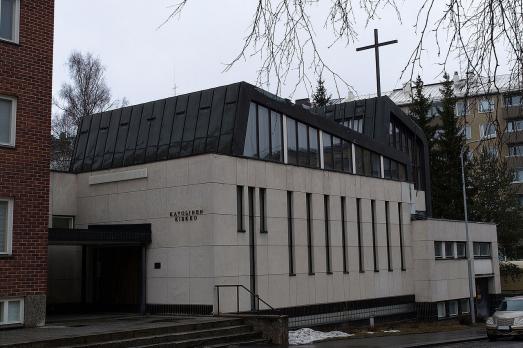
This concrete church was built in 1962 in order to accommodate the Catholic population of central Finland.
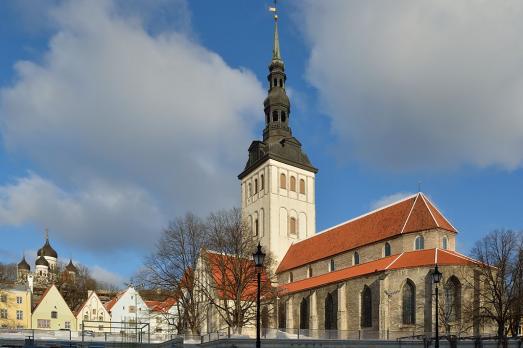
Tallinn, EE
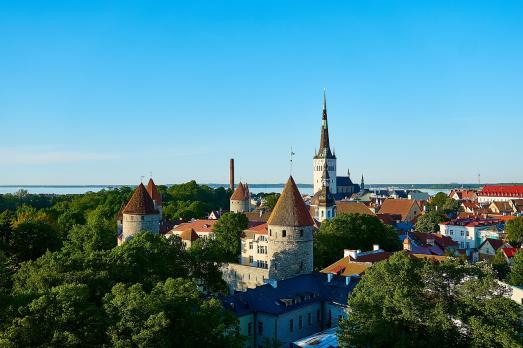
St. Olaf's Church was founded in the 12th century by the Scandinavians who occupied the city at that time and was named after King Olaf II of Norway. The building has been preserved as it was rebuilt in the early 15th and 16th centuries. The church also had to be partially rebuilt after fires in 1625 and 1820. The tower, which was destroyed in the fire of 1820, was restored in 1840, and at the same time, the neo-gothic interior of the church was completed.
Ulvila, FI
St. Olaf's Church in Ulvila is a medieval stone church built between 1495 and 1510. The bell tower was built by J. Winberg of Pori in the 1750s and rebuilt by Georg Theodor Chiewitz in 1862. The church of Ulvila received its first organ in the 1890s.
Oslo, NO
The church was consecrated on 24 August 1856 and converted into a cathedral when the Catholic Diocese of Oslo was founded in 1953. It is the second Catholic cathedral in Oslo (the cathedral of Saint Hallvard became Protestant at the Reformation in 1537).
Lviv, Lviv Oblast, UA
The St. Onuphrius is a Greek Catholic church. Records describe a wooden church that stood on the same spot. This church was built in the 13th century, during the reign of Leo I of Halych. A monastery was built next to the church during the second half of the 15th century. The current stone building was built in 1550, but it has been destroyed and rebuilt several times.
new
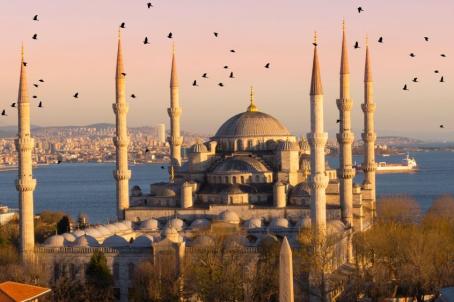
For a long time, Europe was ruled by powerful monarchies. Monarchy and religion have been connected since time immemorial. Here are 7 sites across Europe where royalty historically bent the knee to a higher power and received their crown.
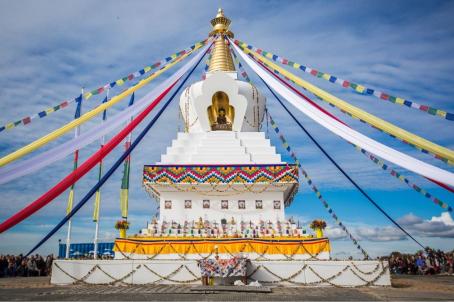
Stupas are symbols of enlightenment and peace that commemorate different stages of Buddha's life. Since the mid-20th century, thousands of stupas have begun to populate Europe. We have compiled some of the most impressive ones in this list.
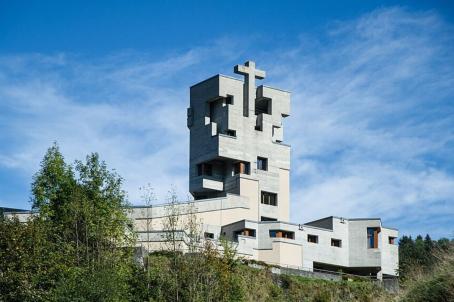
Walter Maria Förderer (1928–2006) was a Swiss architect and sculptor renowned for his neo-expressionist church designs in the 1960s. In this list we have compiled 6 of his church designs that seamlessly integrate religious and secular elements.