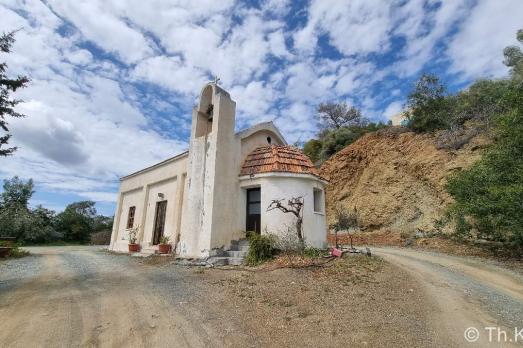
Zoodochos Pigi Chapel
Kornos, CY
The building is located outside of the village in north-western direction (approx. 0,6 km).

Here you can search for a building to visit. You can use the map find destinations, or you can use the filters to search for a building based upon what different criteria.
Kornos, CY
The building is located outside of the village in north-western direction (approx. 0,6 km).
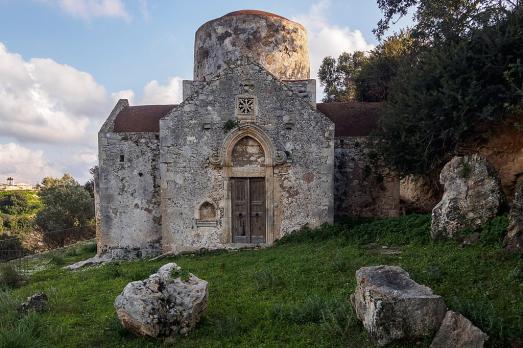
, GR
The church of Zoodochos Pigi (Life Giving Spring) was part of a monastery founded in the 16th century.
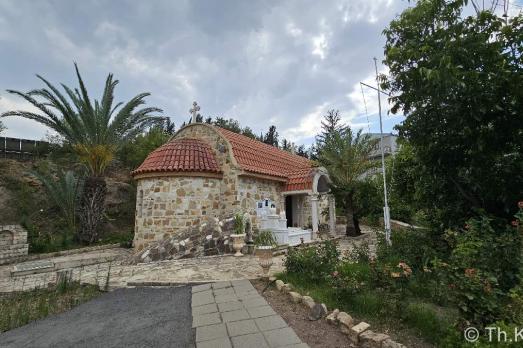
Avdellero, CY
The building is located outside of the village in eastern direction (approx. 0,8 km), close to the Holy Transfiguration Monastery Church .
Rotterdam, NL
On March 4, 1961, the foundation stone of the reformed Triomfatorkerk in Pendrecht on the corner of Krabbendijkestraat and Sliedrechtstraat was laid amid great interest. The church offered space for 750 visitors and was designed by the architectural firm Swaneveld and Goslinga. The church had a freestanding steel tower. That has been demolished, but the building is still there and is in use by the Full Gospel Church Het Zout der Aarde. The wire sculpture in the facade, designed by Teus van den Berg, is still present.
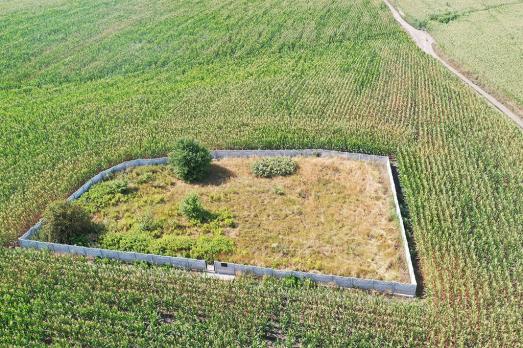
Zoziv, UA
According to the Commission on the Preservation of Jewish Heritage, the cemetery was established in the first half of the 19th century. The last buried dates to 1941. It can be found marked on a map of the region from the 1900s.
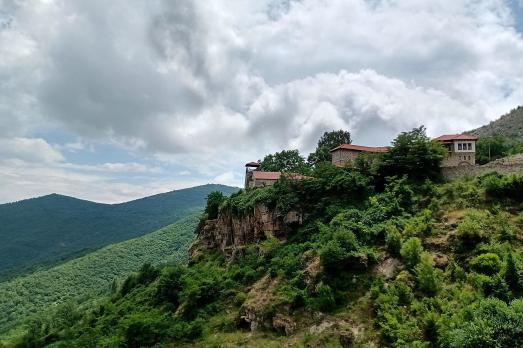
Zrze, MK
The monastery in Zrze was built in several stages on the ruins of a Christian sanctuary from the 15th century. Its church contains two exceptional icons; one, painted in 1393, represents Jesus Christ, and the other, from 1422, represents the Virgin of Pelagonia. It also has remarkable medieval frescoes, divided into two spaces. The lower space represents monastic life, while the upper space represents Saints Gregory, Basil, Nicholas and John. The frescoes on the porch are more recent, having been executed in 1624 and 1634.
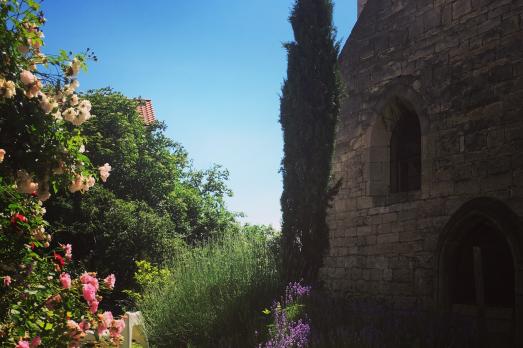
Freyburg, DE
Zscheiplitz began its life as a small Slavonic settlement on top of the hill overlooking the river valley – some time in the 7-9th century AD. It became a residence of the Imperial palatine count Friedrich of Saxony. In 1089 Zscheiplitz became the Benedictine monastery.
Enkhuizen, NL
This two-aisled hall church was built between 1423 and 1484. The extension of the cruciform chapel dates from 1516. The vault was painted in 1485 with 44 typological representations over 1,300 m2. These are the oldest vault paintings in the Netherlands. After having been painted over because of the Reformation (1608), they were brought out again at the beginning of the 20th century. The vault has been illuminated since 2006. The 4 wall paintings (Joris, Christoffel, Cunera, Katharina and Brigida) were restored at the beginning of 2000. The monumental organ dates from the 17th century and was once played by JP Sweelinck.
Barendrecht, NL
The church of the Reformed Congregation at Mijnsherenplein in Rotterdam-Zuid was put into use on 26 December 1928. Expansions took place in 1935 and 1952 to finally 2100 seats. However, the church had fewer and fewer churchgoers. This was because that district was depopulating and the members went to live elsewhere, especially in Barendrecht. The best solution is for the church to move with the people.
Bilthoven, NL
The village of Ter Apel originated at a monastery, which from the 13th century was a forework of the Premonstratensians and from 1465 a monastery of the Order of the Holy Cross. This lasted until 1594, when the monastery was closed as part of the Reformation.
new
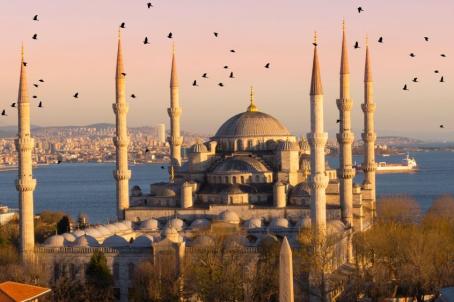
For a long time, Europe was ruled by powerful monarchies. Monarchy and religion have been connected since time immemorial. Here are 7 sites across Europe where royalty historically bent the knee to a higher power and received their crown.
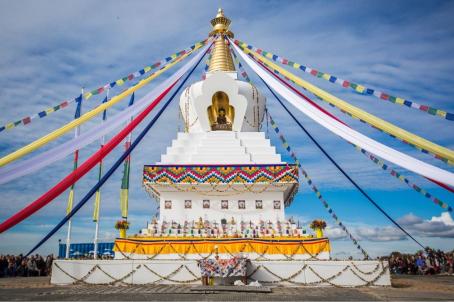
Stupas are symbols of enlightenment and peace that commemorate different stages of Buddha's life. Since the mid-20th century, thousands of stupas have begun to populate Europe. We have compiled some of the most impressive ones in this list.
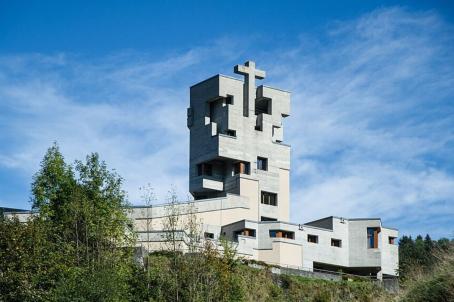
Walter Maria Förderer (1928–2006) was a Swiss architect and sculptor renowned for his neo-expressionist church designs in the 1960s. In this list we have compiled 6 of his church designs that seamlessly integrate religious and secular elements.

How is Religiana helping to conserve and promote Religious Heritage in Europe and why should you get involved?
Find out about Religiana
Are you a tourism organisation or religious heritage sites manager? Discover the advantages of becoming a partner.
See current partners
We can keep you up to date with the latest news from Religiana and religious heritage conservation across Europe.
Sign up to the FRH newsletter