Obadja
Ridderkerk, NL
Reformed Chapel-Church Centre, now Association Building. It is occasionally used for small church services.

Here you can search for a building to visit. You can use the map find destinations, or you can use the filters to search for a building based upon what different criteria.
Ridderkerk, NL
Reformed Chapel-Church Centre, now Association Building. It is occasionally used for small church services.
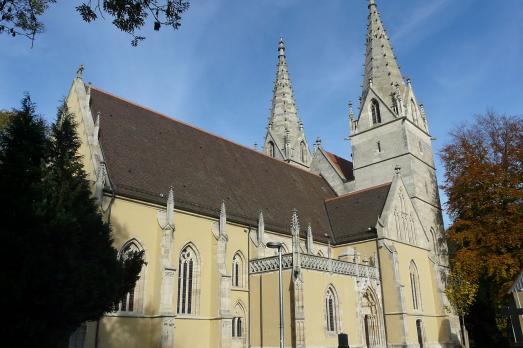
Göppingen, DE
The Oberhofenkirche was built between 1436 and 1490. After the Reformation, the church in Oberhofen initially remained Catholic because of the remaining canons. This situation came to an end with the Peace of Westphalia (1648). After temporary secular use at the beginning of the 19th century, restoration and neo-Gothic remodelling began in 1854 and was completed around 1900.
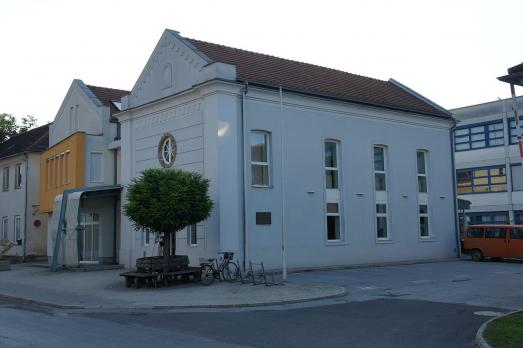
Oberwart, AT
The Oberwart Synagogue is an old synagogue of the city built in 1904. Deserted after Austria's annexation to the German Reich, the building was then used for various purposes, such as a fire station. Since 1997, the synagogue has housed the Oberwart Central Music School.
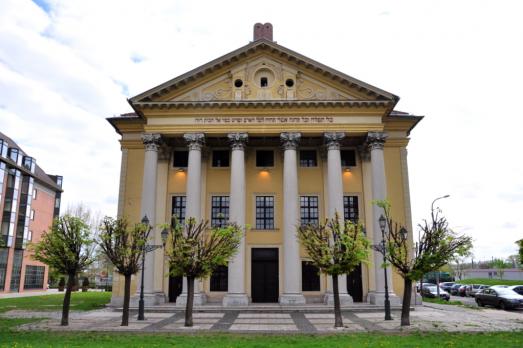
Budapest, HU
The synagogue in Obuda was built in 1821 in a French empire style. In the 1970s it fell into disuse and was sold by the Jewish community for use as a television studio. It then housed Hungarian TV sound studies, but since 2010 it has returned to function as a synagogue
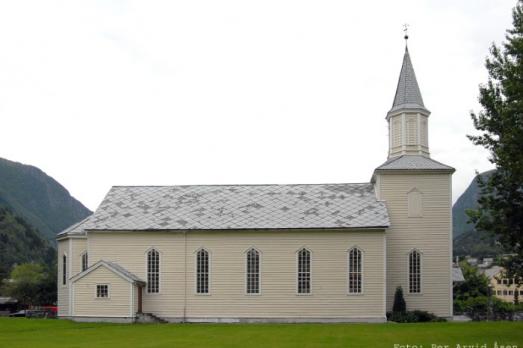
Ullensvang, NO
Odda Church is a wooden long church built in 1870. The church was designed by C. Erichsen. He also designed the church of Øystese, which was completed in 1868. The drawings of the Odda church are based on the Øystese church. The old church of Odda was a stone church from the Middle Ages.
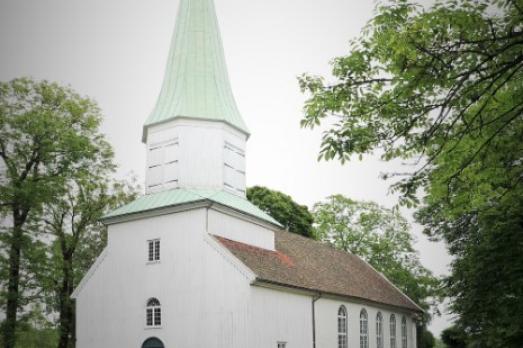
Kristiansand, NO
The church of Oddernes is a long stone church from the 12th century. The church has been largely rebuilt and enlarged, but parts of the brick walls of the nave and the choir with apse have been preserved. The nave was extended to the west in the 1630s and in 1699 a porch with an octagonal tower was built. In the 19th century, the church was given a sacristy and large windows to the south. The furniture of the church is characterised by the 17th and 18th centuries. The site
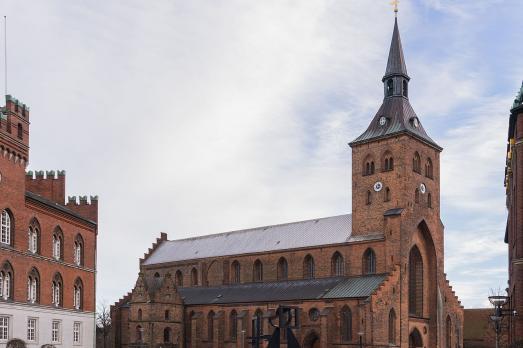
Odense, DK
Odense Cathedral is named after the Danish king Canute the Saint (1080-1086) who was killed in a church in Odense by rebel subjects and was declared a saint in 1101. The oldest parts of the cathedral date back to the early 13th century. The relics of King Canute IV of Denmark and his brother Benedict are still preserved in the cathedral. The cathedral also houses some of the tombs of the Danish rulers and their wives.
Meliskerke, NL
The Oldulphus church in Meliskerke was built around 1400. Odulphus lived in the 9th century. He was first a pastor in Oirschot. Later he became a missionary among the Frisians and founded a monastic order in Staverden. This church is listed as a National Monument of the Netherlands.
Purmerend, NL
In May 1969, the specifications and accompanying drawings for the joint church building, provided by architect D. Zuiderhoek in Baarn, were ready. In June 1969, the construction work was awarded to Bouwbedrijf Staartjes en La Grouw in Amsterdam. On 15 November 1969, the chairman of the construction committee, Mr. A.Th.L. van der Land, drove the first pile. The first delivery took place on 16 March 1971, so that the festive opening could be organised on 3 April. The construction of the church cost more than 1.4 million guilders (including inventory and land costs), 300,000 guilders in government subsidies were received, so that the churches each had to contribute approximately 380,000 guilders. The contribution of the Bim-Bam of 150,000 guilders has of course considerably reduced the burden on the churches.
Nunspeet, NL
Modern church building with freestanding bell tower.
new
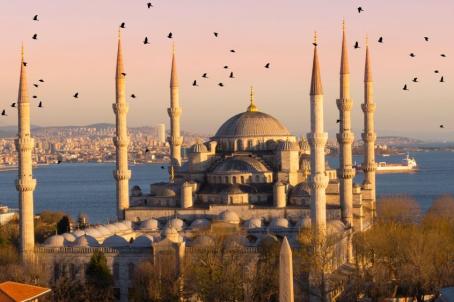
For a long time, Europe was ruled by powerful monarchies. Monarchy and religion have been connected since time immemorial. Here are 7 sites across Europe where royalty historically bent the knee to a higher power and received their crown.
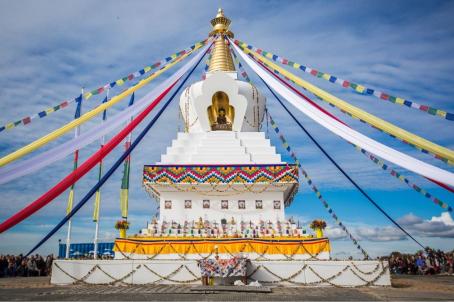
Stupas are symbols of enlightenment and peace that commemorate different stages of Buddha's life. Since the mid-20th century, thousands of stupas have begun to populate Europe. We have compiled some of the most impressive ones in this list.
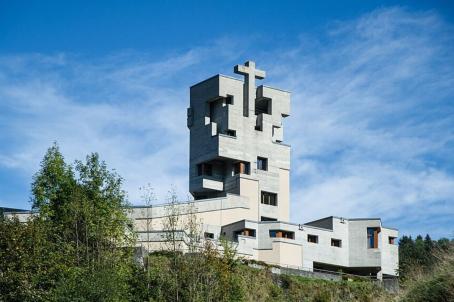
Walter Maria Förderer (1928–2006) was a Swiss architect and sculptor renowned for his neo-expressionist church designs in the 1960s. In this list we have compiled 6 of his church designs that seamlessly integrate religious and secular elements.

How is Religiana helping to conserve and promote Religious Heritage in Europe and why should you get involved?
Find out about Religiana
Are you a tourism organisation or religious heritage sites manager? Discover the advantages of becoming a partner.
See current partners
We can keep you up to date with the latest news from Religiana and religious heritage conservation across Europe.
Sign up to the FRH newsletter