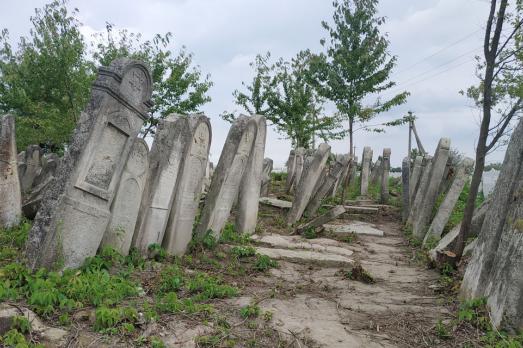
Nyzhni Stanivtsi Jewish Cemetery
Nyzhni Stanivtsi, UA
The exact period of the cemetery’s establishment is unknown, but it was marked on an Austrian map of1880. Presumably, the cemetery was operating until WWII.

Here you can search for a building to visit. You can use the map find destinations, or you can use the filters to search for a building based upon what different criteria.
Nyzhni Stanivtsi, UA
The exact period of the cemetery’s establishment is unknown, but it was marked on an Austrian map of1880. Presumably, the cemetery was operating until WWII.
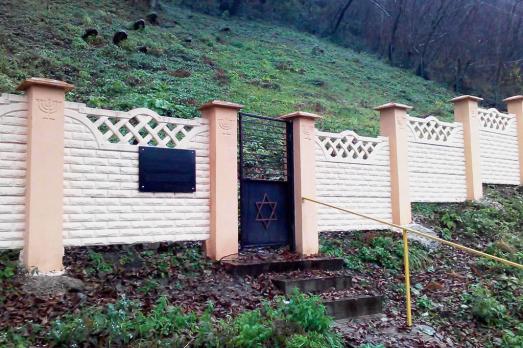
Nyzhniy Bystryy, UA
The exact period of the cemetery’s establishment is unknown. It was not marked on a cadastral map of 1864-1865, but the earliest preserved gravestone dates to the mid-19th century. The fence was installed by ESJF in 2016.
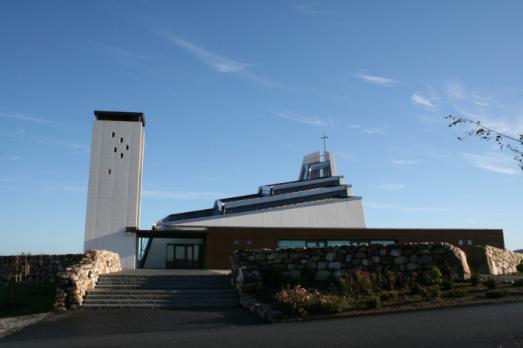
Nærbø, NO
The Nærbø church, which was inaugurated in 2005, was built when the old wooden church from 1834 became too small for the population. The church was designed by Brandsberg-Dahls Arkitektkontor AS in Stavanger and is built of concrete in a modern style, with a separate bell tower in front of the entrance. The decoration of the church is mainly carried out by Gunnar Torvund.
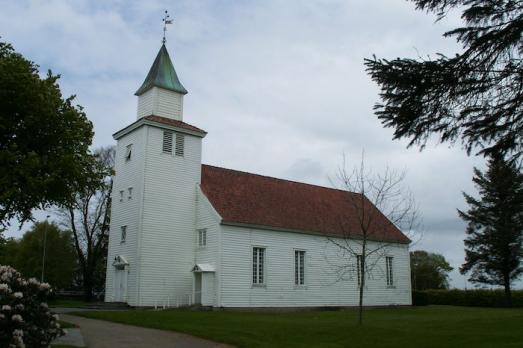
Hå, NO
The Nærbø old church was completed in 1834. The altarpiece was painted by Peter Reimers in 1620 and the church has stained glass windows of Benneche and Larsen from 1934.
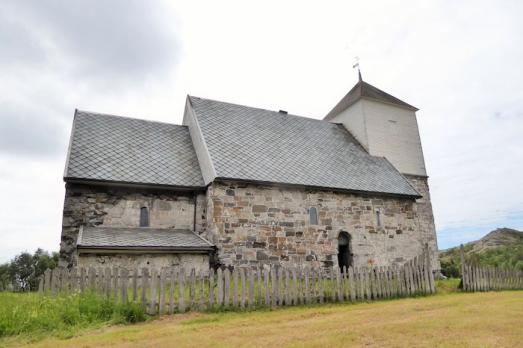
Nærøysund, NO
Nærøy Church is a medieval stone church with a rectangular nave and a narrower, lower choir at the right end. To the west is a powerful bell tower with a pyramidal roof. After a fire in 1848, the church was left in a state of ruin, and it was not until the 1960s that it was re-roofed. The Friends of Nærøykirka, which was founded in 1997, have put a lot of effort into restoring the church. The choir is the oldest part of the church.
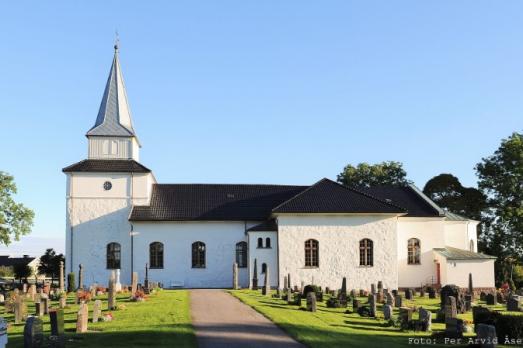
Nøtterøy, NO
Nøtterøy Church, built in the 12th century, is a cruciform, whitewashed church made of grey stone and brick, consecrated in honour of the Virgin Mary. The original church consisted of a rectangular nave and a narrower, almost square choir with a semicircular end, the apse to the east and a massive tower to the west. In the 19th century, the church underwent major changes.
Ovezande, NL
Early neo-Gothic church. Extension and tower 1907.
Nieuwenhagen, NL
Neo-Romanesque church with tower. This church is listed as a National Monument of the Netherlands.
Leiden, NL
Large, iconic neoclassical church with tower, in the middle of the shopping area in the centre of Leiden. The exterior of the Hartebrugkerk - officially: Roman Catholic Church of Our Lady of the Immaculate Conception - was restored in the late 1990s. The interior was also restored in the early 2000s, and so the church on Haarlemmerstraat was put back into use on 30 November 2003. The church dates from 1835-1836 and was designed by Th. Molkenboer. In mid-2003 it was announced that the parishes of St. Peter, St. Joseph and Our Lady of the Immaculate Conception (Hartebrugkerk) would be working together. These three church buildings will continue to exist. The Roman Catholic Lodewijk parish will not participate, because it has a more conservative signature. The church was built in 1835 to a design by Leiden architect Theo Molkenboer. The church is a so-called "Waterstaatskerk". This means that churches were built with financial support from the national government. This happened between 1824 and 1875. The design and construction of such churches was subject to the approval and control of engineers from the Ministry of Public Works. The Hartebrugkerk was built in Neoclassical style and has a striking facade. Typical of this style are the Greek temple fronts. The Hartebrugkerk also has such a temple front, built with Ionic columns. Above that is an architrave with a large triangular pediment. On the architrave is a Latin text: "Domus Dei Est Et Porta Coeli" which means "This is the house of the Lord and the gate of heaven". Because of this inscription in large letters on the facade, a nickname of the church is "Coelikerk". Barrel vault with cassettes, resting on a cornice supported by Corinthian columns. Pulpit from 1880 from the studio of Te Poel and Stoltefus from The Hague. The side altars are probably from the same period. The church has an organ that was made in 1877 by M. Maarschalkerweerd (Utrecht). The Latin text on the organ reads: "Laudate Dominum in Coro et Organo" , which means: "Praise the Lord with choir singing and organ playing".
Oude-Tonge, NL
Built in 1897-1898 to a design by Joseph Cuypers (1861 - 1949) in neo-Gothic style, as a successor to the old parish church from 1759 on the Achterweg. The executor was the Hilversum contractor Jac. Groenendaal. The pseudo-basilica, built under pastor BJ Klekamp, features sculptures from the old parish church and stained glass and altars from the construction period, made in the studio of Jos Cuypers. The painted Stations of the Cross from 1927 were made by Kees Rovers from Voorburg. The murals, as well as some stained glass windows, were made by Henk Asperslagh. Some of the original murals by CA Dunselman were replaced in 1941-1942 by paintings by Asperlagh and after the flood disaster of 1953 the remaining paintings by Dunselman were painted over with white paint. In 1934 the original communion benches were replaced by the current ones and a pulpit in a similar style was installed. The original organ was replaced in 1962 by an organ financed from the Disaster Fund by Romanus Seifert & Sohn (Kevelaer) that is not protected.
new
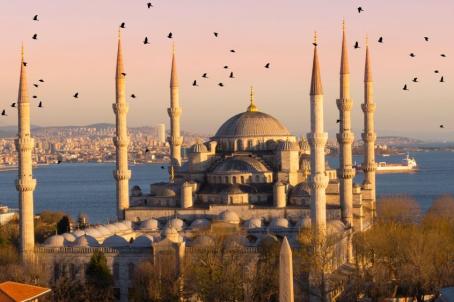
For a long time, Europe was ruled by powerful monarchies. Monarchy and religion have been connected since time immemorial. Here are 7 sites across Europe where royalty historically bent the knee to a higher power and received their crown.
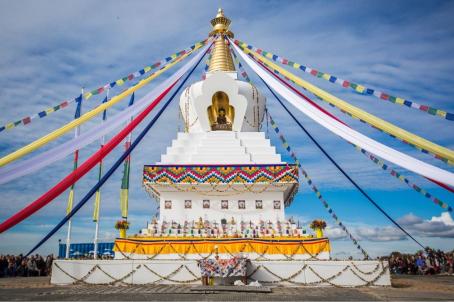
Stupas are symbols of enlightenment and peace that commemorate different stages of Buddha's life. Since the mid-20th century, thousands of stupas have begun to populate Europe. We have compiled some of the most impressive ones in this list.
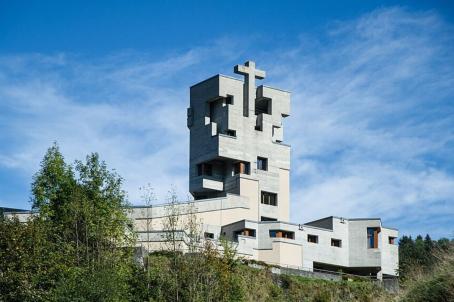
Walter Maria Förderer (1928–2006) was a Swiss architect and sculptor renowned for his neo-expressionist church designs in the 1960s. In this list we have compiled 6 of his church designs that seamlessly integrate religious and secular elements.

How is Religiana helping to conserve and promote Religious Heritage in Europe and why should you get involved?
Find out about Religiana
Are you a tourism organisation or religious heritage sites manager? Discover the advantages of becoming a partner.
See current partners
We can keep you up to date with the latest news from Religiana and religious heritage conservation across Europe.
Sign up to the FRH newsletter