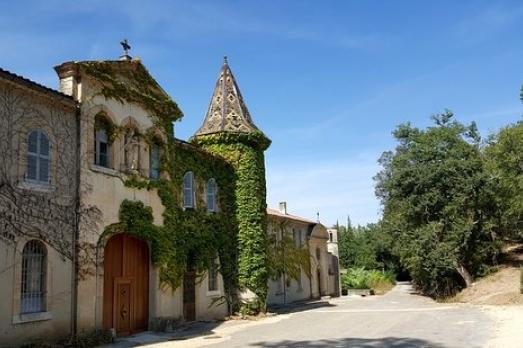
Notre-Dame Monastery of Montrieux
Meounes-les-Montrieux , FR
This hermitage dates back to the 12th century, and it is still inhabited by a dozen monks. The Montrieux Monastery is built on the eastern foothills of Sainte-Baume.

Here you can search for a building to visit. You can use the map find destinations, or you can use the filters to search for a building based upon what different criteria.
Meounes-les-Montrieux , FR
This hermitage dates back to the 12th century, and it is still inhabited by a dozen monks. The Montrieux Monastery is built on the eastern foothills of Sainte-Baume.
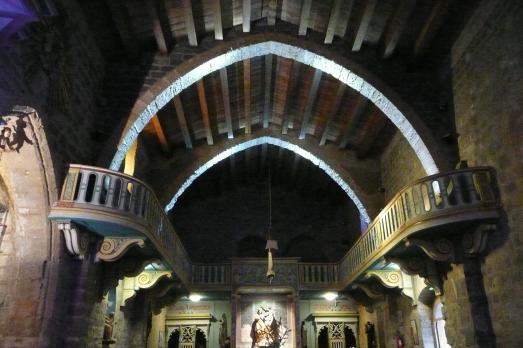
Gruissan , FR
Built in the 14th century, this church is located in the center of the village, at the foot of the Barberousse Tower, as one of the oldest buildings in the town. The church retains a gigantic votive offer representing the most important shipwreck in the village of Gruissan.
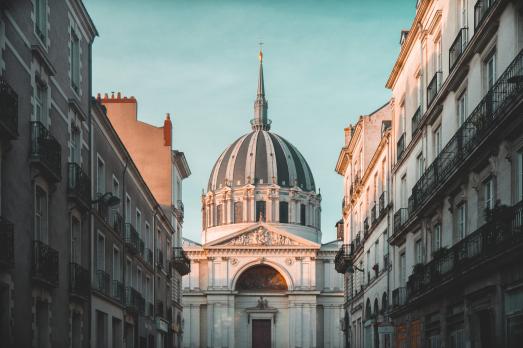
Nantes, FR
Notre-Dame-de-Bon-Port is a church built in 1852 in Nantes by the architects Saint-Félix Seheult and Joseph-Fleury Chenantais. Notre-Dame-de-Bon-Port completed the extension of the city towards the west in the 19th century and the transformation of the district near the port. The old church built in 1827, located on the north side of Place Eugène-Livet, having become too small to accommodate the faithful living in a district then under development, it was decided to build a new building.
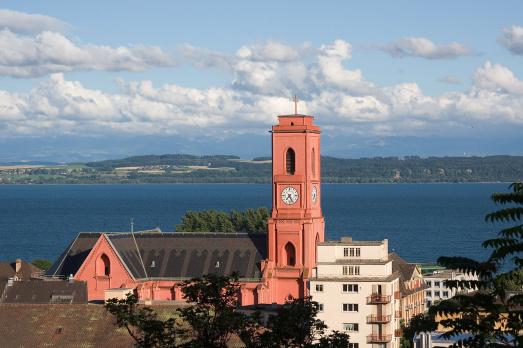
Neuchâtel, CH
Notre-Dame-de-l'Assomption Basilica was built between 1897 and 1906 by the architect Guillaume Ritter. For the construction of the walls, G. Ritter used a mixture of lime and gravel-based mortar, to which he added coloured cement in order to obtain the reddish appearance of Alsatian sandstone.
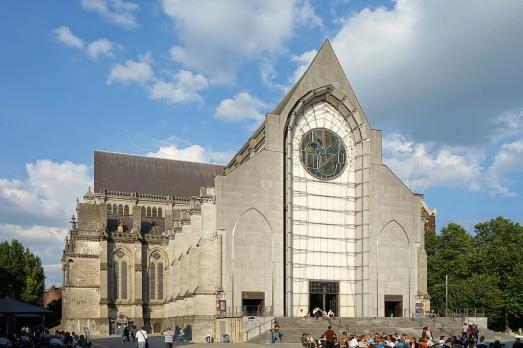
Lille, FR
Notre-Dame-de-la-Treille Cathedral's first stone was laid on July 1st, 1854. The last was sealed in December 1999. It was Saint Pius Lille in 1913, with the basilica as its cathedral.
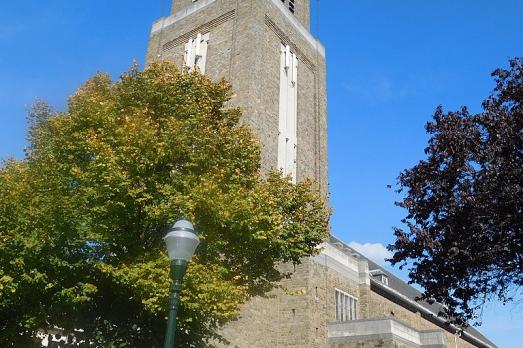
Jette, BE
Notre-Dame-de-Lourdes church was built in 1949 in a modern Romanesque style. The church owes its name to the nearby Lourdes de Jette grotto, the object of many pilgrimages, particularly during the First World War. The chapel of the cave quickly became too small and the construction of a larger church was considered and then built a few hundred meters from the chapel. The church was designed by the Christian architect Chrétien Veraart and is built in brick with concrete elements. The church is now also home to a Ukrainian Greek-Catholic community, whose patron saint is Saint Volodymyr.
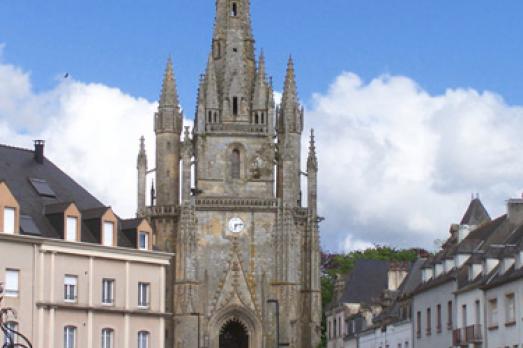
Hennebont, FR
Although the identity of the master builder who built the chapel is not known, recent research has shown the influence that another major building of Morbihan religious architecture, Notre-Dame-de-Quelven en Guern, built at the end of the 15th century, may have had on the Hennebont site. Consecrated in 1524, the Notre-Dame-de-Paradis chapel was practically completed around 1554.
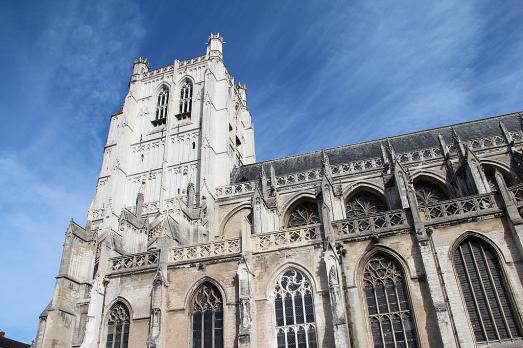
Saint-Omer, FR
Notre-Dame-de-Saint-Omer Cathedral, in Saint-Omer, was built in the 11th century and it became an important artistic and interlectual center. From the 13th century onwards I twas transformed and became an exceptional gothic building, one of the most sumptuous witnesses to gothic art, in the Northern Provinces.
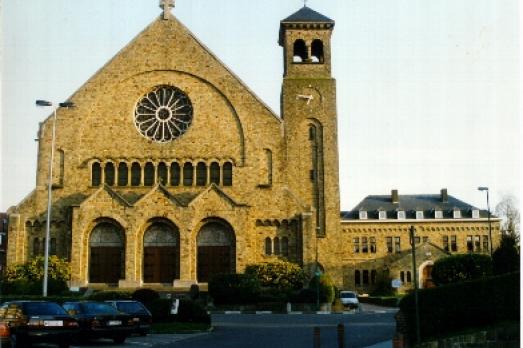
Bruxelles, BE
Notre-Dame-des-Grâces Church, commonly known as the Church of Chant d'Oiseau, was built from 1934 to 1949 by architect Camille Damman. This neo-Romanesque church is part of a convent of Franciscans who also provide pastoral services. The first Franciscan Friars Minor who arrived in Brussels in 1228 built a modest chapel in 1244 to house a statue of the Virgin Mary, called "Notre-Dame du Chant des Oiseaux", nestled in a beech tree in a small wood on the banks of the Senne, outside the city walls.
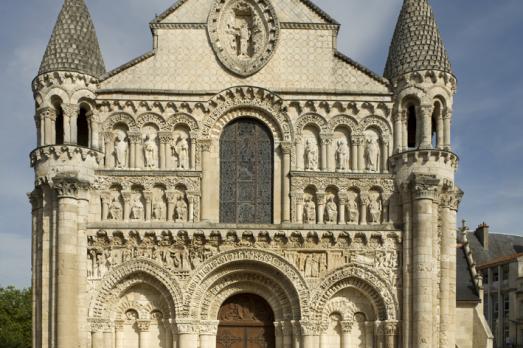
Poitiers, FR
Notre-Dame-la-Grande of Poitiers is a painted Romanesque church dating from the eleventh century. Its beautiful facade of Romanesque Poitevin style illustrates pages of the Bible. It was restored in 1992-1995.
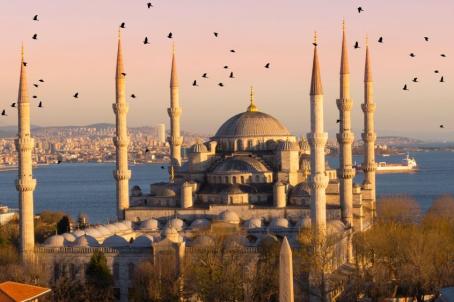
new
For a long time, Europe was ruled by powerful monarchies. Monarchy and religion have been connected since time immemorial. Here are 7 sites across Europe where royalty historically bent the knee to a higher power and received their crown.
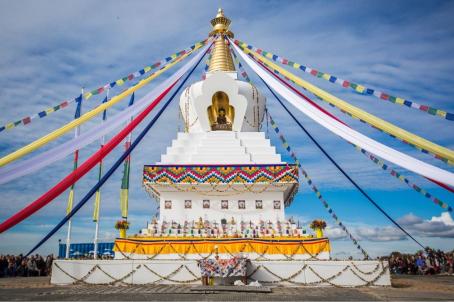
Stupas are symbols of enlightenment and peace that commemorate different stages of Buddha's life. Since the mid-20th century, thousands of stupas have begun to populate Europe. We have compiled some of the most impressive ones in this list.
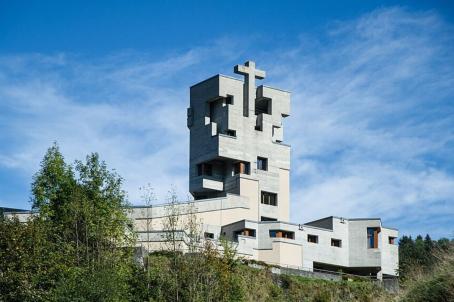
Walter Maria Förderer (1928–2006) was a Swiss architect and sculptor renowned for his neo-expressionist church designs in the 1960s. In this list we have compiled 6 of his church designs that seamlessly integrate religious and secular elements.

How is Religiana helping to conserve and promote Religious Heritage in Europe and why should you get involved?
Find out about Religiana
Are you a tourism organisation or religious heritage sites manager? Discover the advantages of becoming a partner.
See current partners
We can keep you up to date with the latest news from Religiana and religious heritage conservation across Europe.
Sign up to the FRH newsletter