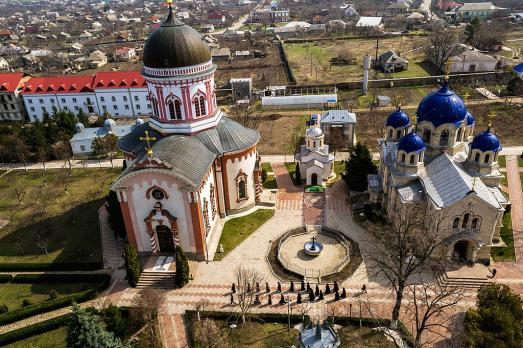
Noul Neamț Monastery
Chițcani, MD
Noul Neamț Monastery is a Moldovan Orthodox monastery located in Chițcani. It was founded in 1861. The monastery remained closed in Soviet times. It was reopened in 1989.

Here you can search for a building to visit. You can use the map find destinations, or you can use the filters to search for a building based upon what different criteria.
Chițcani, MD
Noul Neamț Monastery is a Moldovan Orthodox monastery located in Chițcani. It was founded in 1861. The monastery remained closed in Soviet times. It was reopened in 1989.
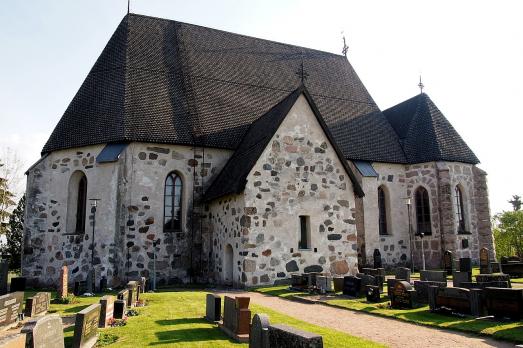
Nousiainen, FI
Nousiainen Church is a medieval stone church dating from the 1420s or 1430s. The church was originally designed to be two naves. However, the plans were changed during construction, and the end result is a church with three naves and cross vaults. The vaults are supported by simple square brick pillars. The vaults and pillars are decorated with simple paintings dating from the 1430s, discovered in 1936 under layers of lime paint. The church was renovated and restored at least in 1377, 1770, 1786, 1847, 1901, 1936 and 1967-69.
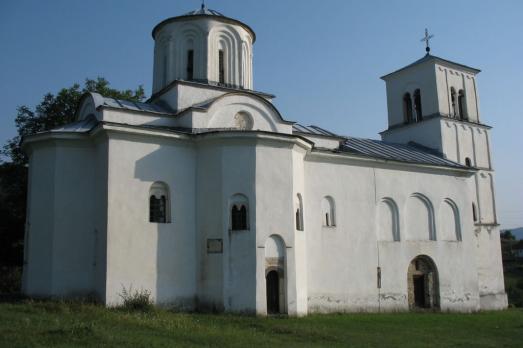
Pavlica, RS
The Nova Pavlica Monastery was erected at the end of the 14th century by the nobles Stefan and Lazar Musić as an endowment. It is believed that after their death in the battle of Kosovo they were buried under their portraits in the monastery church. In contrast to other monuments of this style, which are characterised by rich ornamentation and exterior decoration, the Nova Pavlica Monastery is rather poorly decorated on the outside.
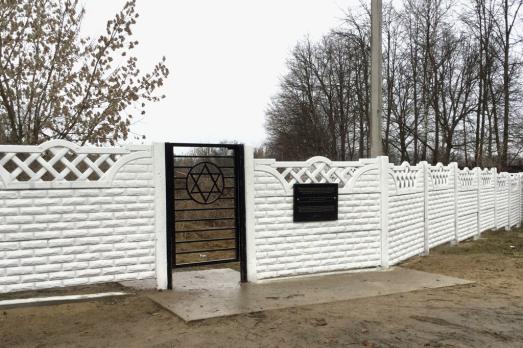
Nova Pryluka, UA
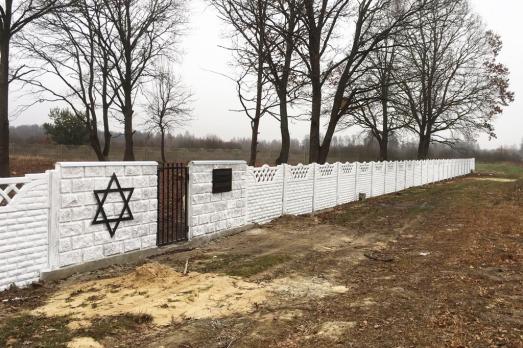
According to IAJGS, the cemetery was established in 19th century. The remains of the Jewish cemetery of Nova Pryluka still can be found in the village. All that remains are a few dozen gravestones. The Jewish population of Nova Pryluka began to grow dramatically in the 19th century. In 1926 the town’s 2151 Jews comprised 55% of the town’s total population.
Nova Vyzhva, UA
The date of the cemetery’s foundation is unknown. However, it does appear on Russian maps from the mid 19th century. 5 concrete tombstones without inscriptions were found in the initial search, and thorough clearance may reveal more. An earlier ESJF expedition came across a tombstone still bearing an inscription, but the team was unable to find it in 2019.
Novara, IT
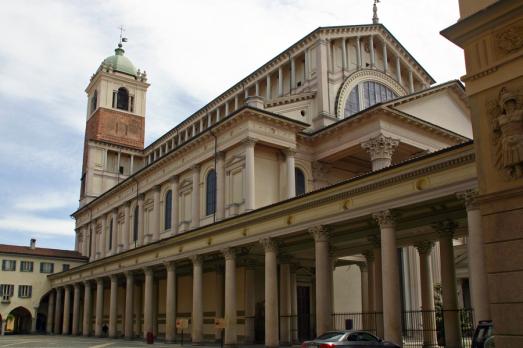
Novara Cathedral was built between 1863 and 1869 according to the plans of the architect Alessandro Antonelli. The first Christian basilica dedicated to Saint Mary was built between 350 and 400 on the same site where once stood a pagan temple of Jupiter. Between the 11th and 12th centuries, the original cathedral was demolished and in its place, a new cathedral in Romanesque style was built. In the 18th century, on the project of Benedetto Alfieri, the cathedral was gradually restored in the Baroque style, preserving its original structures. The construction of new naves was completed in 1869.
Nove Selo, UA
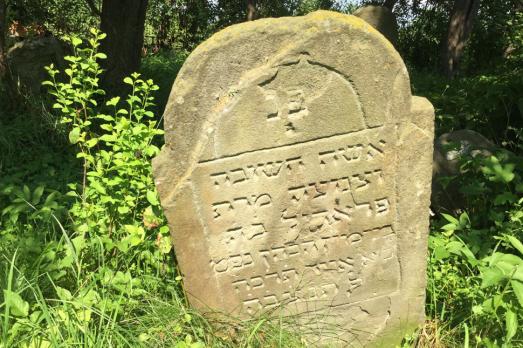
The period of the cemetery’s establishment is unknown. It first appears on a cadastral map of 1865, but the earliest preserved gravestone dates from the first half of the 19th century.
Novhorod-Sivers'kyy, UA
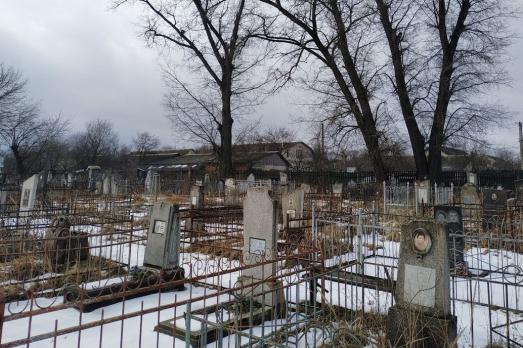
The exact period of the cemetery’s establishment is unknown. It cannot be found marked on old maps of the region. The oldest preserved tombstone dates to the early 20th century, therefore it can be presumed that the cemetery was founded around that time. According to the Committee for the Preservation of Jewish Cemeteries in Europe, the older section of the cemetery was demolished during the war and the tombstones were used for the pavements.
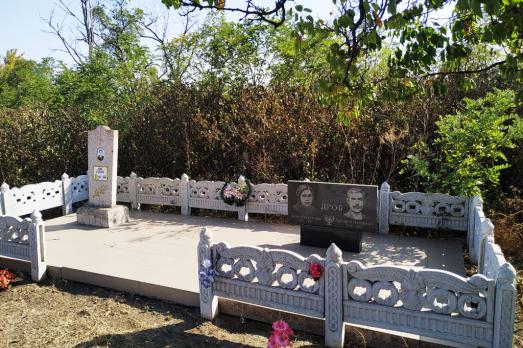
Novi Kovna, UA
The exact period of the cemetery’s establishment is unknown. It is likely that it was founded no later than in the second half of the 19th century. The earliest tombstone found dates to 1872. There are 7 gravestones remaining in the site. The most recent dates to 2020. The cemetery is unmanaged.
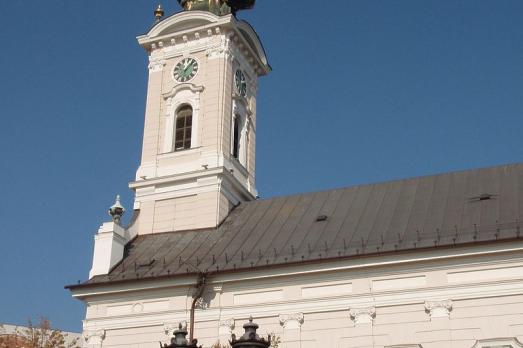
Novi Sad, RS
Novi Sad Cathedral was first mentioned in 1720 when it was a smaller church which was soon (1734) replaced by a new one. This new church was restored twice during the 19th century, but the present appearance of the church was given during a major renovation in the early 20th century at the time of Bishop Mitrofan Šević. The painter Paja Jovanović worked on the icons of the church. In the portal of the church, there is the oldest preserved artefact from Novi Sad - the Cross of the Epiphany made of pink marble.
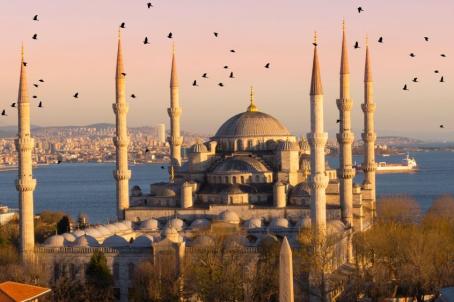
new
For a long time, Europe was ruled by powerful monarchies. Monarchy and religion have been connected since time immemorial. Here are 7 sites across Europe where royalty historically bent the knee to a higher power and received their crown.
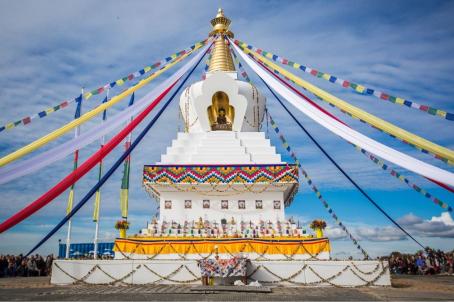
Stupas are symbols of enlightenment and peace that commemorate different stages of Buddha's life. Since the mid-20th century, thousands of stupas have begun to populate Europe. We have compiled some of the most impressive ones in this list.
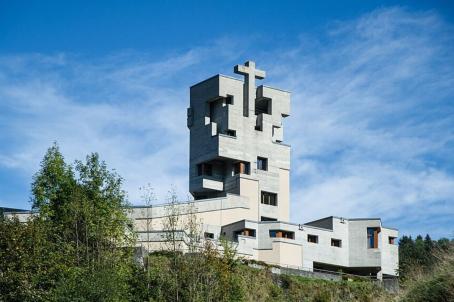
Walter Maria Förderer (1928–2006) was a Swiss architect and sculptor renowned for his neo-expressionist church designs in the 1960s. In this list we have compiled 6 of his church designs that seamlessly integrate religious and secular elements.

How is Religiana helping to conserve and promote Religious Heritage in Europe and why should you get involved?
Find out about Religiana
Are you a tourism organisation or religious heritage sites manager? Discover the advantages of becoming a partner.
See current partners
We can keep you up to date with the latest news from Religiana and religious heritage conservation across Europe.
Sign up to the FRH newsletter