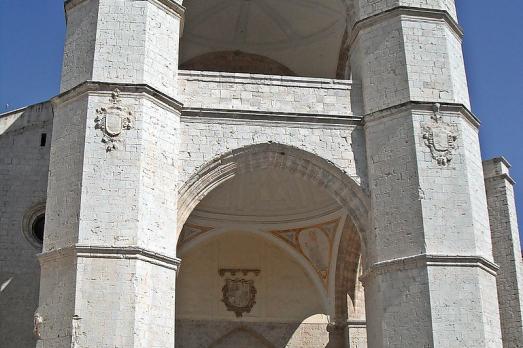
San Benito el Real
Valladolid, ES
The church of San Benito el Real, erected in 1499-1515 in a Gothic style, is one of the oldest temples of Valladolid. The upper parts of the towers were destroyed in the 19th century.

Here you can search for a building to visit. You can use the map find destinations, or you can use the filters to search for a building based upon what different criteria.
Valladolid, ES
The church of San Benito el Real, erected in 1499-1515 in a Gothic style, is one of the oldest temples of Valladolid. The upper parts of the towers were destroyed in the 19th century.
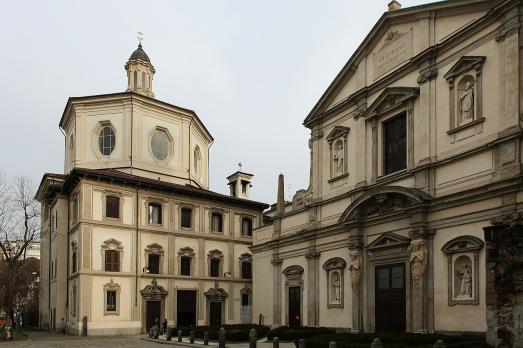
Milano, IT
In 1268, a small church was built. Before that, there was only a graveyard and a room were exhumed bones were gathered. In 1642, the bell tower of the Basilica di Santo Stefano collapsed and demolished the church and the ossuary. It was immediately rebuilt and has remained the same until today. The bones that are displayed in the ossuary are from local poor people. Most of them died of natural causes in the old Brolo hospital, but there are also skulls of people who died by violence or criminals who were beheaded.
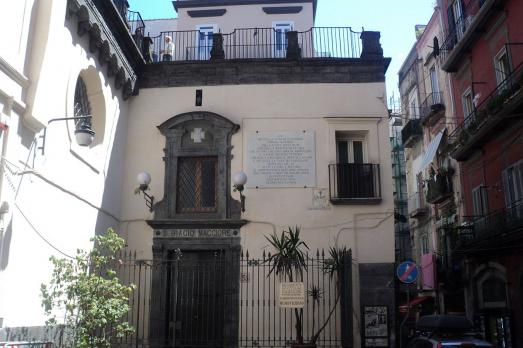
Naples, IT
San Biagio Maggiore is a small church founded by Armenian monks. The current building dates from 1631.
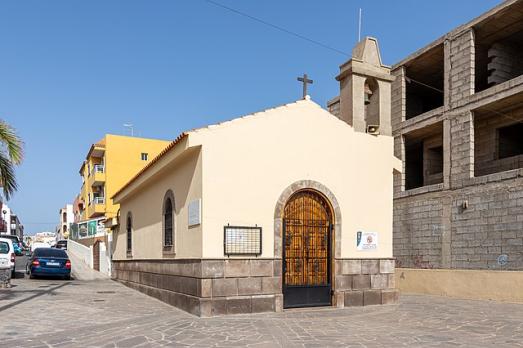
Los Abrigos, ES
Small parish church dedicated to Saint Blas. A famous festivity held yearly called 'Romería' involves carrying of the Saint Blas image by fishermen though a recurring itinerary from a cave near the coast to the church entrance.
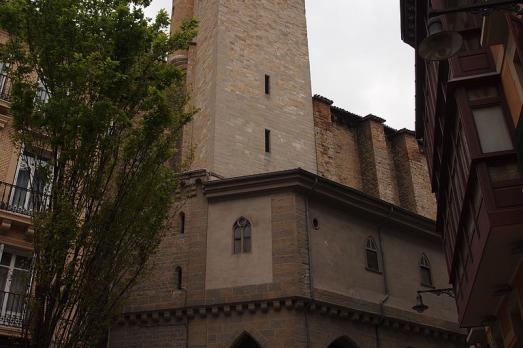
Pamplona, ES
The church of San Saturnino, more commonly known as San Cernin, is a Gothic construction of the thirteenth century. In the Middle Ages, the church was located in the French borough of the city (Saint Saturnin is a French saint). As the boroughs of Pamplona were continually at war, the church's bell towers were crowned with defensive battlements that lasted until the 18th century.
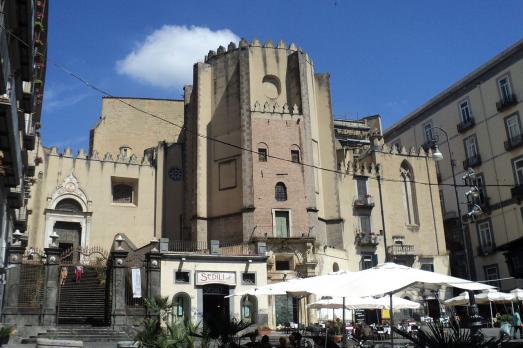
Naples, IT
The basilica of San Domenico Maggiore is a Gothic church erected between 1238 and 1324 by friars of the Dominican order.
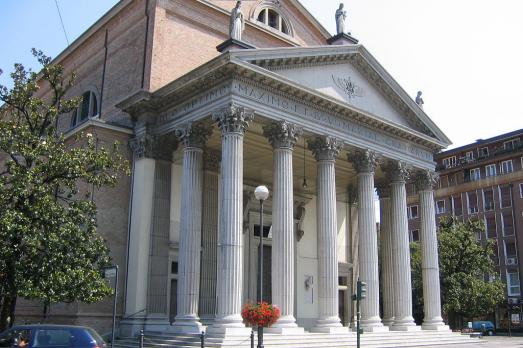
San Donà di Piave, IT
The Cathedral of Santa Maria delle Grazie was built in the 1920s on top of an old 15th-century church, rebuilt in the 19th century. Unfortunately, this old church was completely destroyed by Italian shells during the First World War. The sacred building and the bell tower were therefore rebuilt between 1919 and 1923 to a design by the Venetian architect Giuseppe Torres.
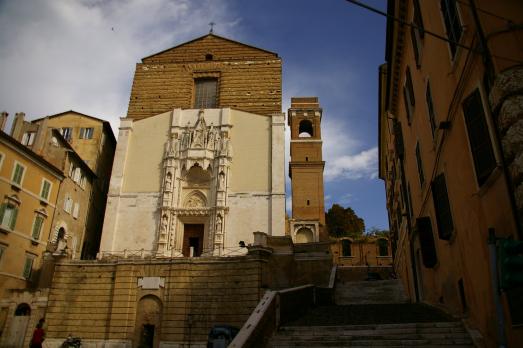
Ancona, IT
The church of San Francesco alle Scale was founded in 1323 by the Franciscans. In 1454, the Gothic façade of the portal that still stands today was built after the Porta della Carta of the Doge's Palace in Venice. Inside was a painting considered one of the masterpieces of the Renaissance painter Nicola di Maestro Antonio d'Ancona, currently on display at the Carnegie Museum of Art in Pittsburgh.
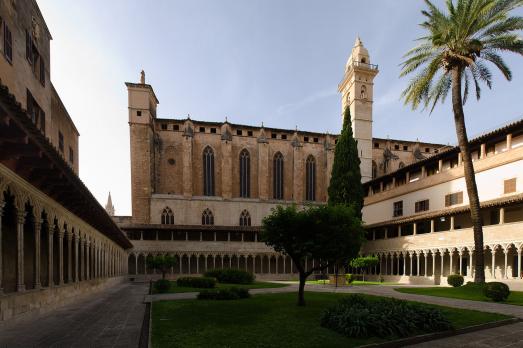
Palma, ES
The San Francisco Convent is a complex that includes the small basilica of the same name, the cloister and several adjacent buildings. Construction of the basilica began in 1281, but the baroque facade with its tympanum and rose window is a 17th century reconstruction.
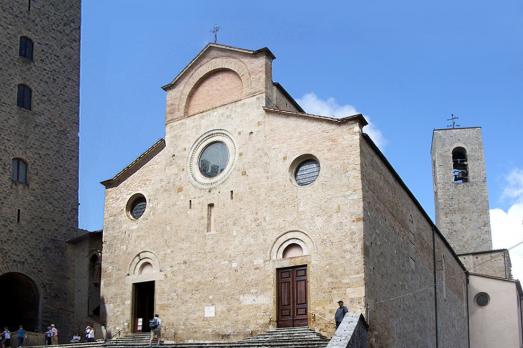
San Gimignano, IT
The collegiate basilica of Santa Maria Assunta, also known as the Cathedral of San Gimignano, is said to have been erected in 1056 and consecrated in 1148. In 1239 the church underwent a renovation that gave it its characteristic façade. During the Second World War, the church and its frescoes suffered considerable damage, which was repaired by repeated restoration campaigns.
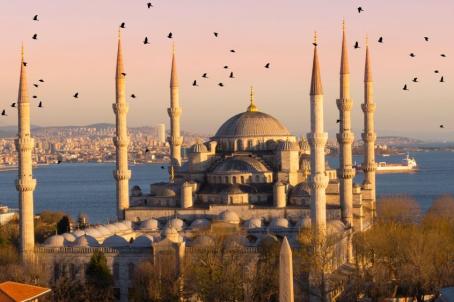
new
For a long time, Europe was ruled by powerful monarchies. Monarchy and religion have been connected since time immemorial. Here are 7 sites across Europe where royalty historically bent the knee to a higher power and received their crown.
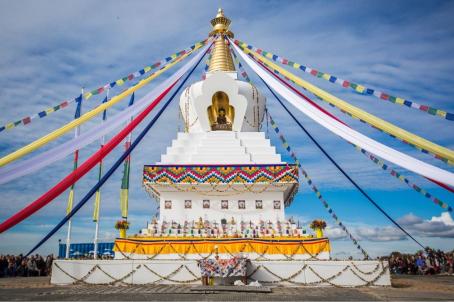
Stupas are symbols of enlightenment and peace that commemorate different stages of Buddha's life. Since the mid-20th century, thousands of stupas have begun to populate Europe. We have compiled some of the most impressive ones in this list.
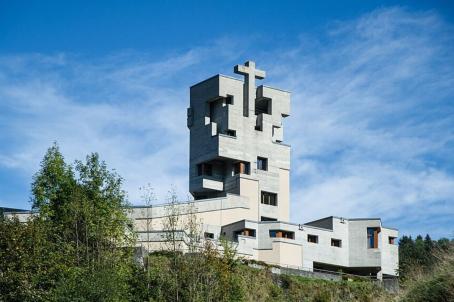
Walter Maria Förderer (1928–2006) was a Swiss architect and sculptor renowned for his neo-expressionist church designs in the 1960s. In this list we have compiled 6 of his church designs that seamlessly integrate religious and secular elements.

How is Religiana helping to conserve and promote Religious Heritage in Europe and why should you get involved?
Find out about Religiana
Are you a tourism organisation or religious heritage sites manager? Discover the advantages of becoming a partner.
See current partners
We can keep you up to date with the latest news from Religiana and religious heritage conservation across Europe.
Sign up to the FRH newsletter