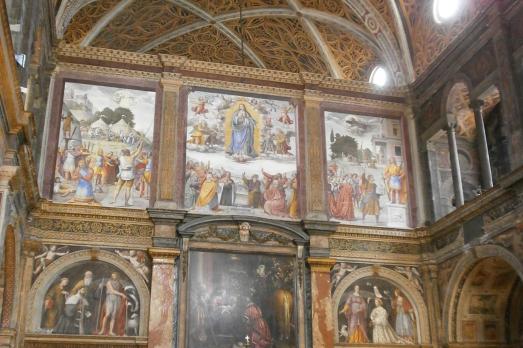
San Maurizio al Monastero Maggiore
Milan, IT
The church of San Maurizio al Monastero Maggiore was built from 1503. It is situated onto the convent of the Benedictine nuns, the largest in Milan.

Here you can search for a building to visit. You can use the map find destinations, or you can use the filters to search for a building based upon what different criteria.
Milan, IT
The church of San Maurizio al Monastero Maggiore was built from 1503. It is situated onto the convent of the Benedictine nuns, the largest in Milan.
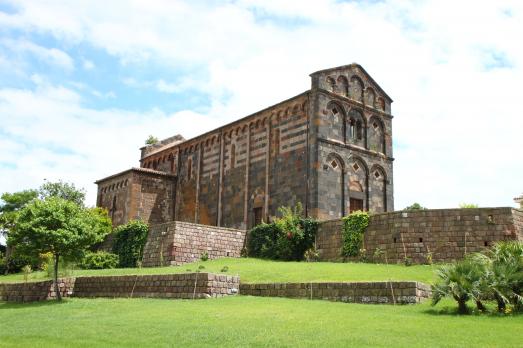
Ottana, IT
This 12th-century basilica stands atop a hill overlooking the town of Ottana. It is constructed using a mixture of black-purple basalt and pink trachyte, giving it a unique colour scheme. It houses a wooden crucifix from the 16th century as well as a 14th-century polyptych.
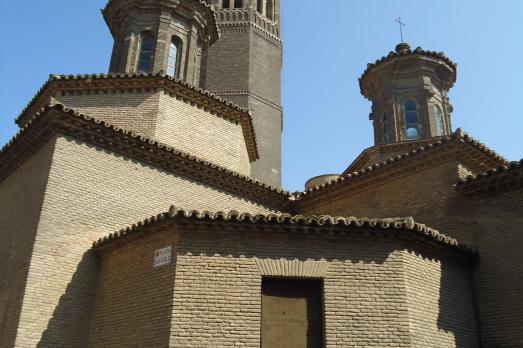
Zaragoza, ES
The church of San Pablo is a Mudejar Gothic church dating from the turn of the 13th and 14th centuries. The Mudéjar tower with an octagonal plan is well known and is one of the best examples of a Mudéjar tower in the city. In 2001, it was inscribed on UNESCO's World Heritage List as an important example of Aragonese Mudéjar.
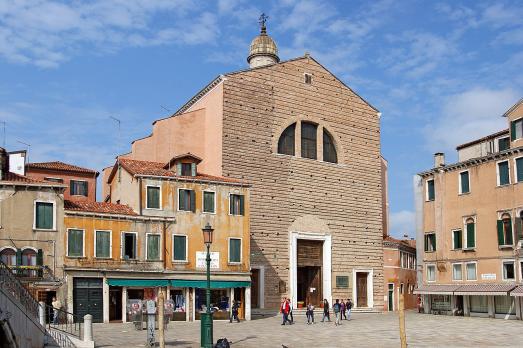
Venice, IT
The church of San Pantalon, consecrated in 1745, bears the name of the local saint San Pantaleone di Nicomedia in Bithynia. San Pantalon was a doctor between the 3rd and 4th century and was martyred during the persecutions of Maximian between 305 and 310.
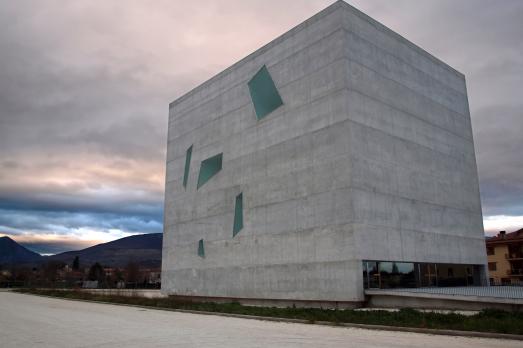
Foligno, IT
San Paolo Apostolo is a modern church built between 2001 and 2009, on the location of an old church destroyed by the 1997 earthquake in the area. Designed by Massimiliano and Doriana Fuksas, it owes its cubic form to a description of the New Jerusalem in the book of Revelation, suggesting that the holy city has an equal length and breadth.
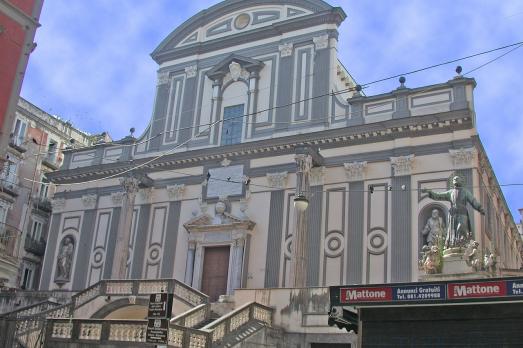
Naples, IT
The Basilica of San Paolo Maggiore is a basilica built on the ruins of the Dioscuri Temple, of which two Corinthian columns remain. Its construction lasted a century, from 1538 to 1630.
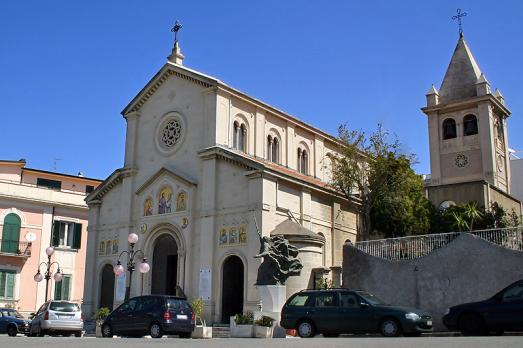
Reggio Calabria, IT
The San Paolo Sanctuary was built in the 20th century in imitation of the Norman style. Three artists worked on the facade, decorated with mosaics and three heavy sculpted bronze doors.
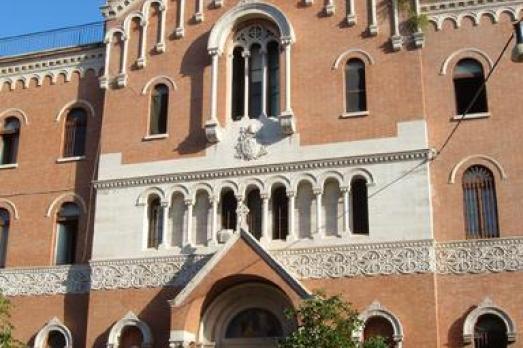
Roma, IT
The church of San Patrizio in Villa Ludovisi was built in 1908 to a design by Aristide Leonori. It is in the neo-Renaissance style with Romanesque-Byzantine motifs on its façade. San Patrizio a Villa Ludovisi was the national church of Ireland until it became the national church of the United States of America in 2017. Since August 2017, it has been under the pastoral care of the Paulist Fathers, a religious order originally from and based in New York.
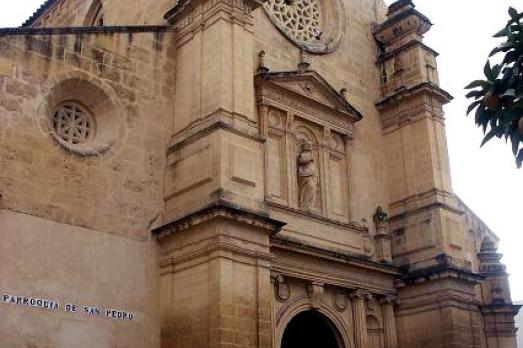
Córdoba, ES
The minor basilica of San Pedro was built on an old church between the end of the 13th century and the beginning of the 14th century, after the conquest of Cordoba by Fernando III.
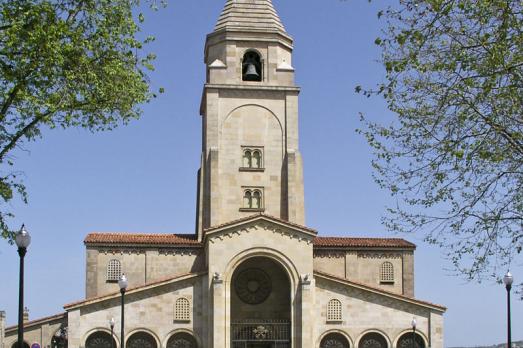
Gijón, ES
The current church of San Pedro was built between 1945 and 1955 after the destruction of the 15th-century building during the Spanish Civil War. Originally in the Gothic style, it is now in the historicist style inspired by Romanesque and pre-Romanesque Asturian art.
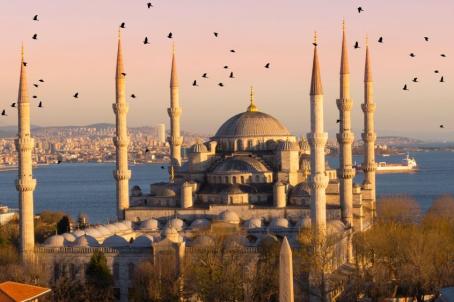
new
For a long time, Europe was ruled by powerful monarchies. Monarchy and religion have been connected since time immemorial. Here are 7 sites across Europe where royalty historically bent the knee to a higher power and received their crown.
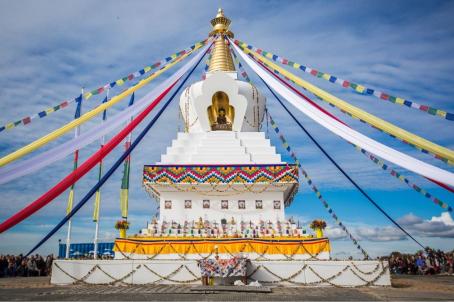
Stupas are symbols of enlightenment and peace that commemorate different stages of Buddha's life. Since the mid-20th century, thousands of stupas have begun to populate Europe. We have compiled some of the most impressive ones in this list.
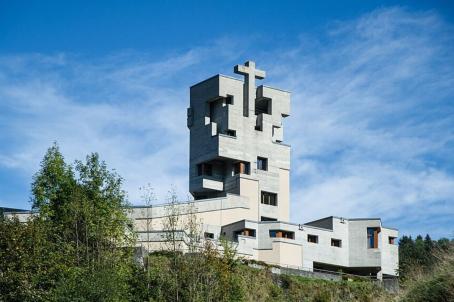
Walter Maria Förderer (1928–2006) was a Swiss architect and sculptor renowned for his neo-expressionist church designs in the 1960s. In this list we have compiled 6 of his church designs that seamlessly integrate religious and secular elements.

How is Religiana helping to conserve and promote Religious Heritage in Europe and why should you get involved?
Find out about Religiana
Are you a tourism organisation or religious heritage sites manager? Discover the advantages of becoming a partner.
See current partners
We can keep you up to date with the latest news from Religiana and religious heritage conservation across Europe.
Sign up to the FRH newsletter