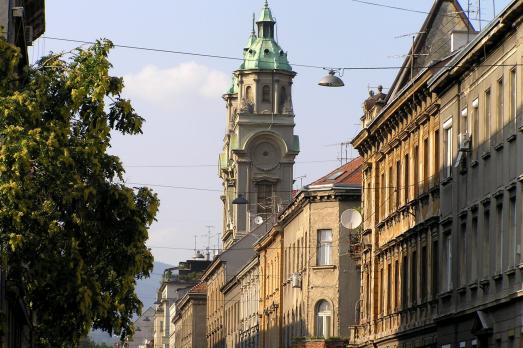
Basilica of The Sacred Heart of Jesus
Zagreb, HR
The Basilica of the Heart of Jesus was completed in neo-baroque style and consecrated in 1902. It currently belongs to the Jesuits.

Here you can search for a building to visit. You can use the map find destinations, or you can use the filters to search for a building based upon what different criteria.
Zagreb, HR
The Basilica of the Heart of Jesus was completed in neo-baroque style and consecrated in 1902. It currently belongs to the Jesuits.
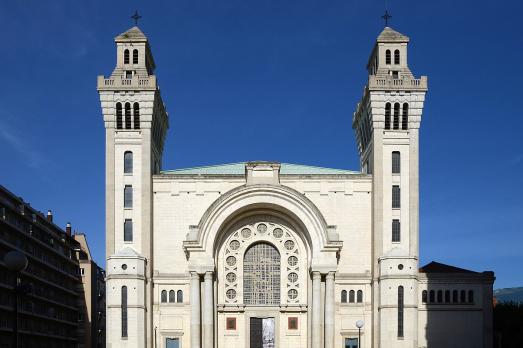
Grenoble, FR
The Basilica of the Sacred Heart was built from 1922 onwards in a Romanesque-Byzantine style. Although unfinished, the basilica was consecrated in 1943. The present altar is the only ancient element of the basilica, probably originating from the priory of Saint-Martin de Misèré founded by Hugues de Grenoble around 1100. An extensive renovation and extension project began in October 2013 and was completed in early 2016.
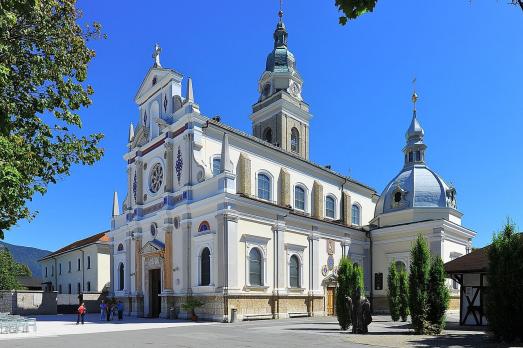
Brezje, SI
Basilica of the Virgin Mary, also called the Slovene (Marian) National Sanctuary, was built between 1889 and 1900 and is the main pilgrimage centre in Slovenia, visited by about 400,000 people a year.
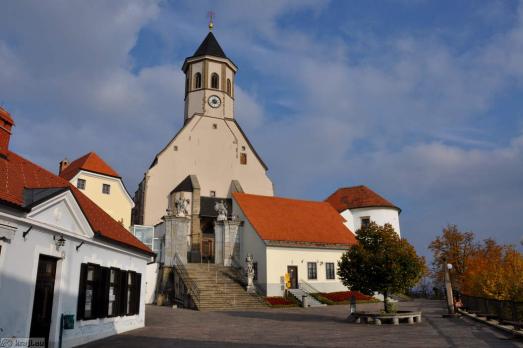
Ptujska gora, SI
The Basilica of the Virgin Protectress is a church located in Ptujska Gora, a colony grouped on a hill. Built between the 14th and 15th centuries, it is considered one of the most beautiful Gothic churches in Slovenia.
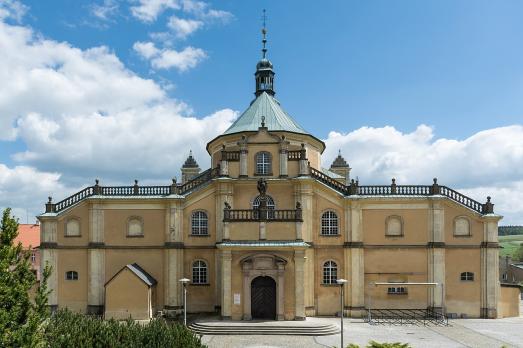
Wambierzyce, PL
The Basilica of the Visitation is a baroque church built between 1715 and 1723. The basilica stands on a hill of Wambierzyce, often called "Silesian Jerusalem". In the 12th century, a miraculous figure of the Mother of God was placed there, bringing many pilgrims. From 1263, a wooden church is built on the hill.
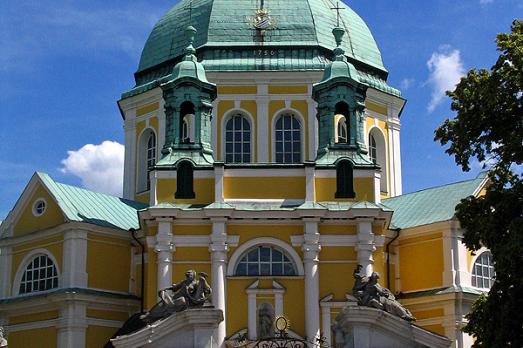
Gostyń, PL
The Basilica of the Sacred Mountain is located in St. Gora, a sacred site since the Middle Ages. In 1540, an anonymous artist painted an image of the Mother of God with the child who quickly acquired a miraculous reputation and became the target of many pilgrimages. The present church was built in 1675-1698 and is inspired by the Italian Renaissance.
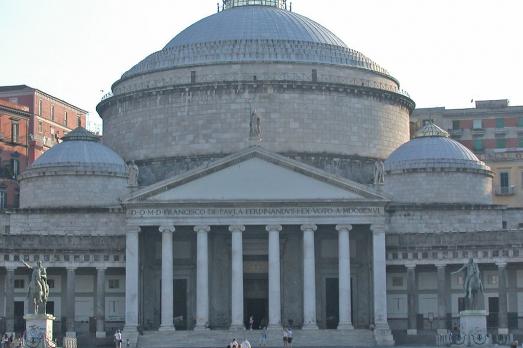
, IT
The royal papal basilica of San Francesco di Paola is a basilica of Naples. Built between 1816 and 1846, it is considered one of the most important examples of neoclassical architecture in Italy.
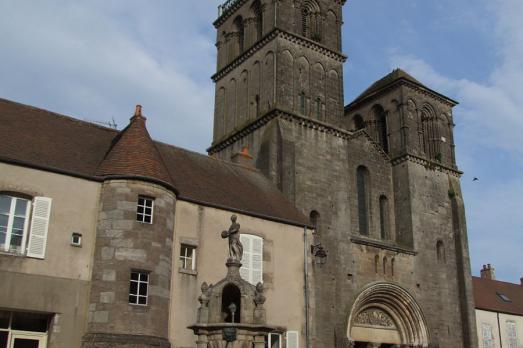
Saulieu, FR
Considered one of the most beautiful testimonies of Romanesque architecture in Burgundy, a recent renovation completed in 2007 highlights this jewel built in the 12th century on the ruins of an abbey founded in the 8th century to protect the relics of the martyrs Saint Andoche, Saint Thyrse and Saint Felix.
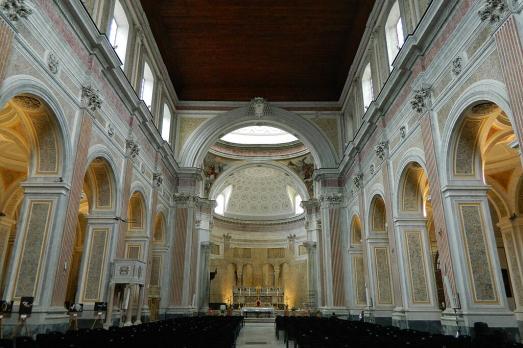
Naples, IT
The Basilica of San Giovanni Maggiore is a 17th-century Baroque church in the city centre of Naples. Its interior is a precious testimony of the city’s main historical-artistic periods.
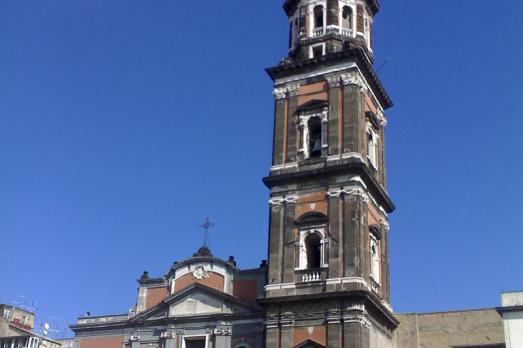
Napoli, IT
Santa Maria del Carmine Maggiore is one of the largest basilicas in Naples and a fine example of Neapolitan Baroque style. The church was founded in the 13th century by Carmelite friars who had been expelled from the Holy Land during the Crusades, and who probably arrived in the Bay of Naples on Amalfi ships. The present facade dates from 1766 and was designed by Giovanni del Gaizo to replace the old one, which had been ruined by lightning and above all by the earthquake of 1456. Although it was built at the same time as the church, the bell tower is first mentioned in 1439. It was damaged and rebuilt several times and took on its present appearance in the first half of the 17th century.
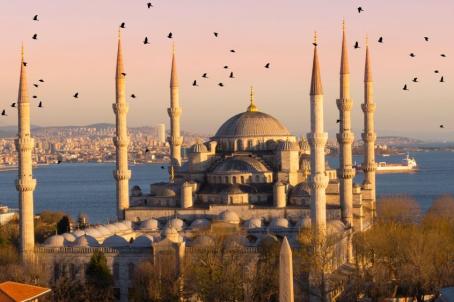
new
For a long time, Europe was ruled by powerful monarchies. Monarchy and religion have been connected since time immemorial. Here are 7 sites across Europe where royalty historically bent the knee to a higher power and received their crown.
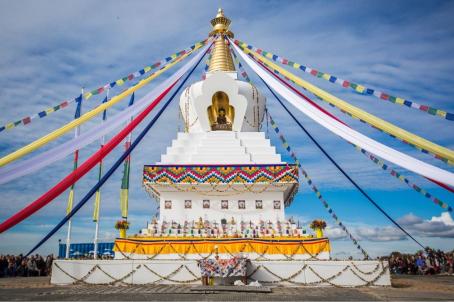
Stupas are symbols of enlightenment and peace that commemorate different stages of Buddha's life. Since the mid-20th century, thousands of stupas have begun to populate Europe. We have compiled some of the most impressive ones in this list.
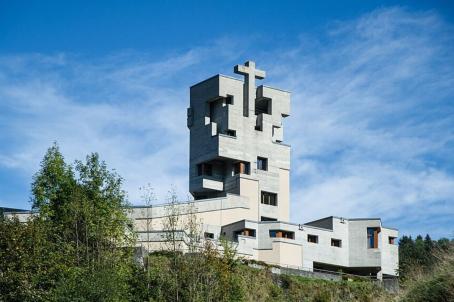
Walter Maria Förderer (1928–2006) was a Swiss architect and sculptor renowned for his neo-expressionist church designs in the 1960s. In this list we have compiled 6 of his church designs that seamlessly integrate religious and secular elements.

How is Religiana helping to conserve and promote Religious Heritage in Europe and why should you get involved?
Find out about Religiana
Are you a tourism organisation or religious heritage sites manager? Discover the advantages of becoming a partner.
See current partners
We can keep you up to date with the latest news from Religiana and religious heritage conservation across Europe.
Sign up to the FRH newsletter