Explore Religious Heritage Across Europe

Here you can search for a building to visit. You can use the map find destinations, or you can use the filters to search for a building based upon what different criteria.

Refine search

St Columba's Cathedral

St Columba's Cathedral

Londonderry, GB

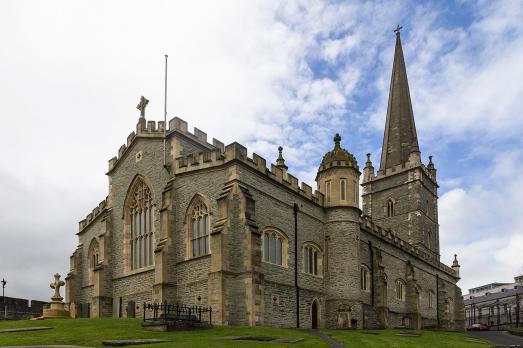
St Columba's Cathedral is the Anglican cathedral of Derry. It was built between 1628 and 1633 to the designs of William Parrot, in a Gothic style. It was the first Protestant cathedral built following the Reformation in the British Isles.
St Columba's Church

St Columba's Church

Drumcliffe, IE

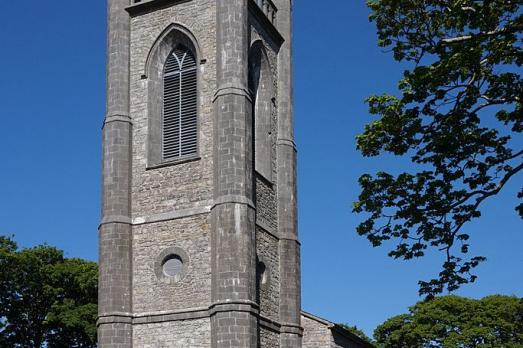
St Columba's Church is a neo-gothic 19th- century church built on the site where in the 6th century, the Drumcliff Monastery was founded. The last monks of the Drumcliff Monastery are mentioned as present in 1503, although when it was finally abandoned is unknown. Not much remains on the site of the monastery. The nearby high cross is the only example of its kind surviving in county Sligo. It is carved in the Urnes style. It has been dated tentatively on artistic grounds to the 9th or 10th century.

St Conan's Kirk

St Conan's Kirk

Lochawe, GB

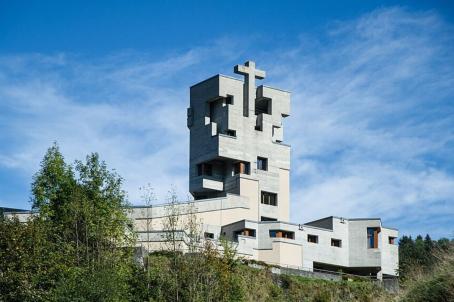
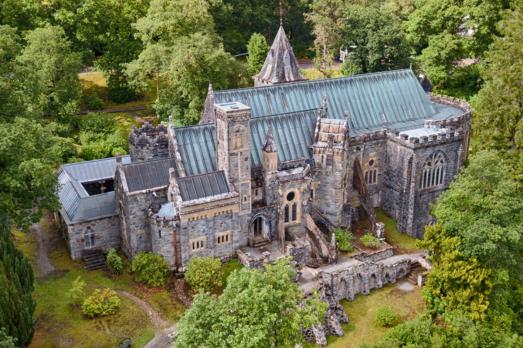
St Conan's Kirk has almost every style of church architecture and was the vision of one man who was his own architect, Walter Douglas-Campbell. The kirk is located in Argyll, Scotland.

St Crida

St Crida

Creed, GB

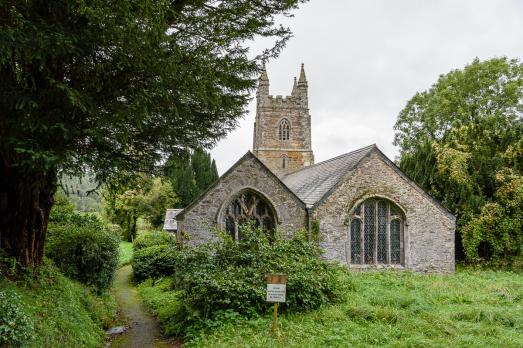
The patron saint of Creed is first recorded as St Crite in the 10th century and may well have been a Cornish saint. Generally thought to be female, later tradition claims her as the daughter of either King Mark of Cornwall or an Irish king.

St Cuthbert

St Cuthbert

Bewcastle, GB

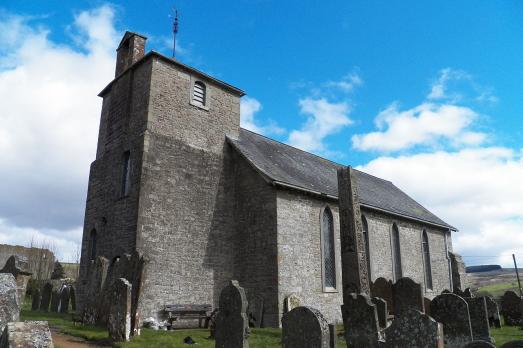
Here is one of Pevsner's twelve most important monuments in Britain, the 8th century, Anglo Saxon Bewcastle Cross. Remarkably, it stands free in the churchyard where it has stood for nearly 1500 years. The church is rather simpler and certainly younger, parts of it dating from 1277, although mostly it is the Victorian alterations that endure. Simple though it is, visitors feel the peaceful and calming atmosphere of the church.

St Cuthbert

St Cuthbert

Beltingham, GB

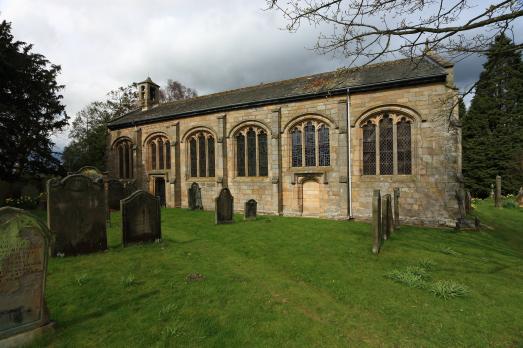
A much loved and regularly used church, it's the finest example of 15th century Perpendicular style in the country. Restored in 1884, a vestry was added, an earlier window remains however as does a squint, a small barred open window.

St Cuthbert

St Cuthbert

Great Salkeld, GB

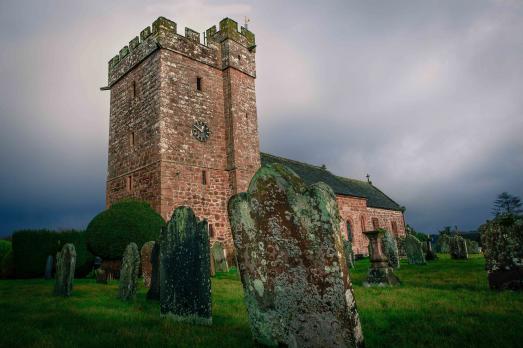
There has probably been a church in Great Salkeld since 880 AD, when the body of St Cuthbert was rested here after being brought from Holy Island. Rebuilding took place in 1080. The Pele Tower was added in 1380, with an iron door for defence of the inhabitants against the Scots.

St Cuthbert

St Cuthbert

Aldingham, GB

Aldingham church hugs the Cumbrian side of Morecambe Bay and is open to the wild beauty of the Bay, an area of designated county landscape importance and scenic beauty. The church is largely of Norman origin (12th century) but a worn Anglo Saxon cross fragment in the east wall and some evidence of Viking burials suggests a much older sacred site.

St Cuthbert Church, Carlisle

St Cuthbert Church, Carlisle

Carlisle, GB

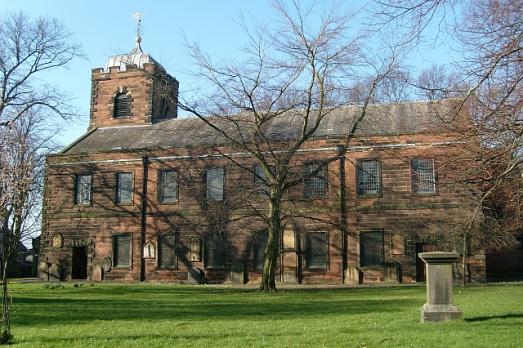
This church dates back to 1778. It is rumored to have been built before st. Cuthbert's visit to Carlisle in 685.

St Cwyfan

St Cwyfan

Llangwyfan, GB

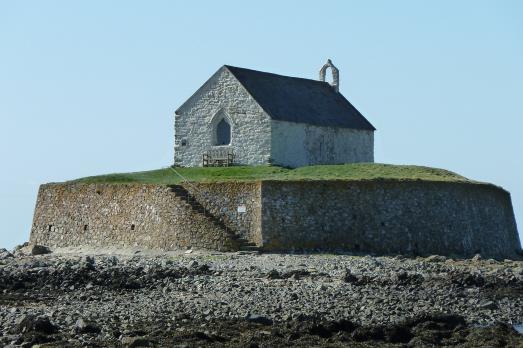
It may seem an odd and perilous place to build a church, but St Cwyfan's originally stood at the end of a peninsula between two bays, Porth Cwyfan and Porth China, as shown on John Speed's map of Anglesey from 1636. In the decades after this the sea slowly eroded the coast in the two bays enough that the peninsula was cut off, turning it into an island.

Be inspired

Stupkalnis.lt

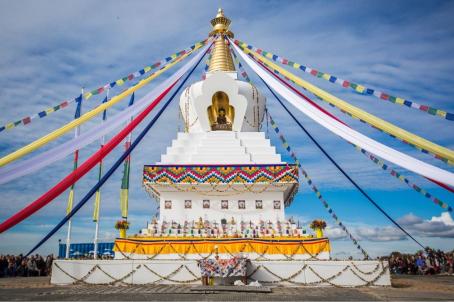
10 Buddhist stupas to discover in Europe

Stupas are symbols of enlightenment and peace that commemorate different stages of Buddha's life. Since the mid-20th century, thousands of stupas have begun to populate Europe. We have compiled some of the most impressive ones in this list.