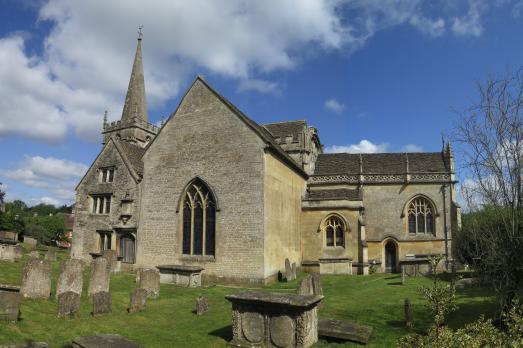
St Cyriac's Church
Chippenham, GB
St Cyriac's Church was built in the 14th and 15th century on the site of a former Saxon church. This Norman-style church is worth a visit for its gargoyles and decorative vaulting.

Here you can search for a building to visit. You can use the map find destinations, or you can use the filters to search for a building based upon what different criteria.
Chippenham, GB
St Cyriac's Church was built in the 14th and 15th century on the site of a former Saxon church. This Norman-style church is worth a visit for its gargoyles and decorative vaulting.
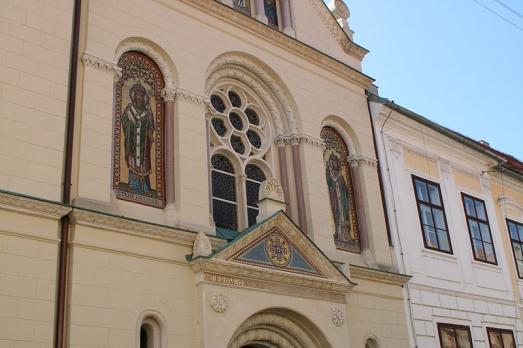
Zagreb, HR
The Cyril and Methodius church was built around 1830 in neoclassical style by the architect Bartol Felbinger. The building had to be rebuilt after the earthquake in 1880. The new church was constructed in a neo-Byzantine style after a design by Hermann Bollé.
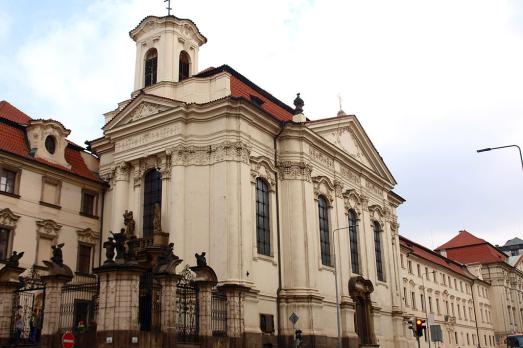
Prague, CZ
Its foundation stone was laid in 1854 in the presence of Emperor Francis Joseph I, a tribute to the support of the Habsburg monarchy by the First Congress of Panslav in Prague as a political formation that is most likely to protect the peoples of Central Europe.
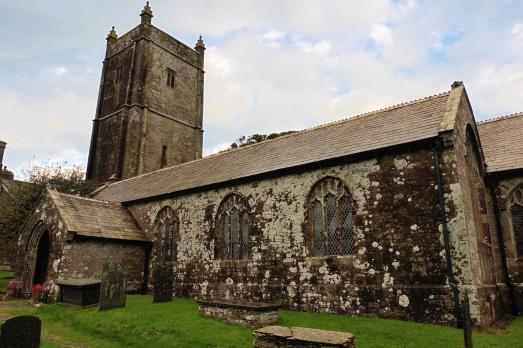
Davidstow, GB
Davidstow means David's Place and according to legend the church was founded by St David in the 6th century, whilst visiting his mother at nearby Altarnun.
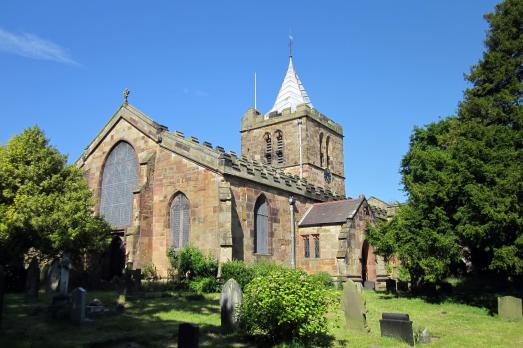
Hawarden, GB
Named after Deiniol, one of the major Welsh saints,there has been a church on this elevated site since the 6th century. The congregation is proud of the church's association with the family of Victorian Prime Minister, William Ewart Gladstone. ‘The Great Fire' on 29th October 1857 destroyed much of the building, but it was restored and features many stained glass windows by eminent artist Edward Burne-Jones. The reredos depicting the Last Supper is attributed to Gilbert Scott.
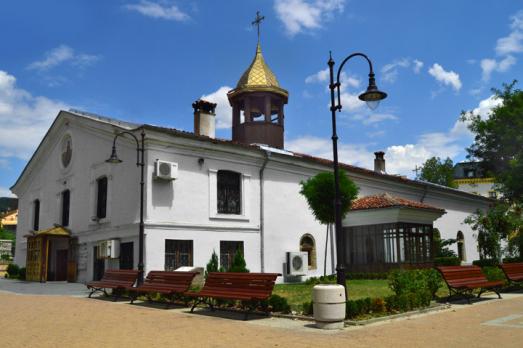
Sliven, BG
The present building of St Demetrius' Cathedral in Sliven was built from 1831 to 1834 on a former wooden church site. In 1966 the church was declared a cultural monument of local importance. In the spring of 1971, the National Institute of Cultural Monuments undertook the restoration and conservation of the iconostasis.
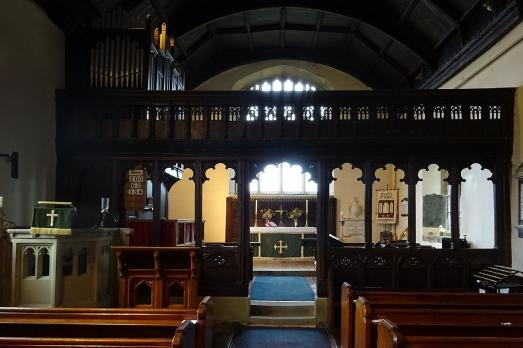
Llandderfel, GB
The church is first recorded in the Taxatio of 1291 as the ‘Eccl'ia de Landervael. The present church is an early Tudor rebuilding, probably of the early 16th century and is a single chamber parish church. This church is dedicated to Derfel Gadarn (Derfel the Mighty) a warrior saint of the 6th century. A shrine was also dedicated to him on the slopes of Mynydd Maen. This shrine belonged to the religious house of Llantarnam.
Split, HR
In 1245, the Dominicans built their monastery next to it. By the way, with the establishment of begging orders in the 13th century, a new type of church-monastery complex appeared with the cloister as the main spatial accent around which monastery buildings were built. Such buildings were regularly located near the city walls and gates, as was the case with Split's Dominican church-monastery complex, which was built on the east side of the medieval city, outside the city walls, next to the Silver Gate. According to some historians, it was founded by the Blessed Gregory of Split, who met in Italy with St. Dominic. D. Farlati says that the Dominicans came to Split for Bela IV, when the Archbishop of Split was Hugrin. The news about the presence of Dominicans in Split is given by Thomas the Archdeacon, so we can say with certainty that the Dominicans have been in Diocletian's city since 1245. Before that, there was only a Dominican monastery in Croatia in Dubrovnik, founded in 1225. Some data state that as early as 1243, the Dominicans participated in the election of the bishop of Split. Soon after Split, the surrounding monasteries were founded in Trogir, on Ciovo.
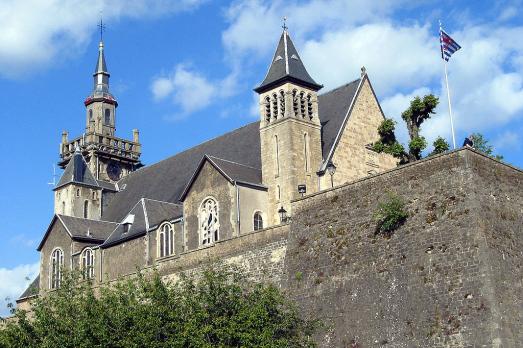
Arlon, BE
St Donatus' Church is a 17th-century church built by Capuchin Fathers in Arlon. It is an important heritage site in the Belgian region of Wallonia.
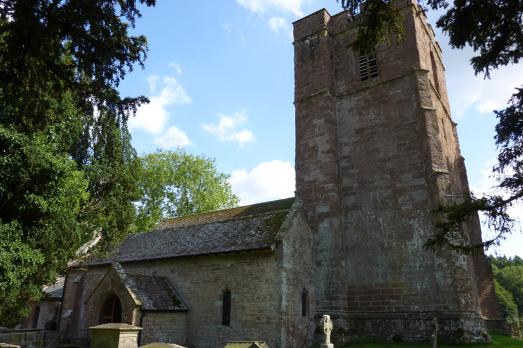
Hentland, GB
Hentland was the Collegiate Church or monastery of St Dyfrig (alias Dubricius), the famous 6th century Bishop of Glywysing & Gwent. As such it is, even today, a popular place of pilgrimage.
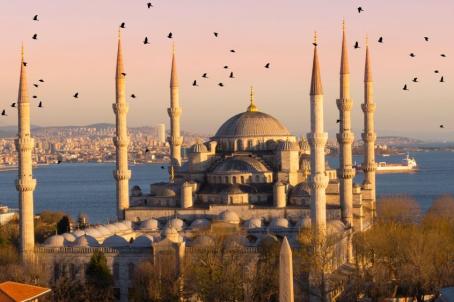
new
For a long time, Europe was ruled by powerful monarchies. Monarchy and religion have been connected since time immemorial. Here are 7 sites across Europe where royalty historically bent the knee to a higher power and received their crown.
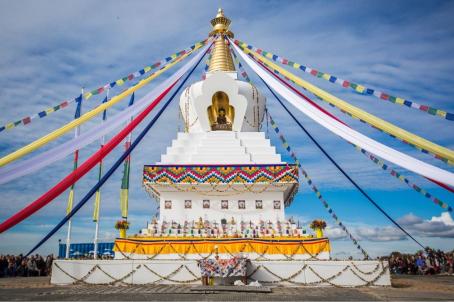
Stupas are symbols of enlightenment and peace that commemorate different stages of Buddha's life. Since the mid-20th century, thousands of stupas have begun to populate Europe. We have compiled some of the most impressive ones in this list.
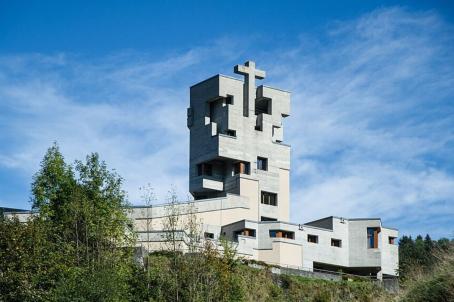
Walter Maria Förderer (1928–2006) was a Swiss architect and sculptor renowned for his neo-expressionist church designs in the 1960s. In this list we have compiled 6 of his church designs that seamlessly integrate religious and secular elements.

How is Religiana helping to conserve and promote Religious Heritage in Europe and why should you get involved?
Find out about Religiana
Are you a tourism organisation or religious heritage sites manager? Discover the advantages of becoming a partner.
See current partners
We can keep you up to date with the latest news from Religiana and religious heritage conservation across Europe.
Sign up to the FRH newsletter