St Michael
Cambridge, GB
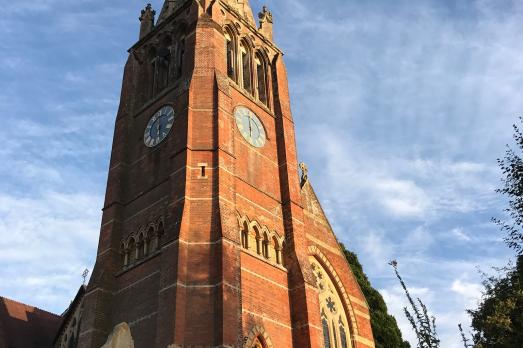
An ancient church building with its roots in the 11th Century, years of fascinating history and now a vibrant cafe and community centre with a contemporary feel. How did all that happen?
Here you can search for a building to visit. You can use the map find destinations, or you can use the filters to search for a building based upon what different criteria.
Cambridge, GB
An ancient church building with its roots in the 11th Century, years of fascinating history and now a vibrant cafe and community centre with a contemporary feel. How did all that happen?
Martin, GB
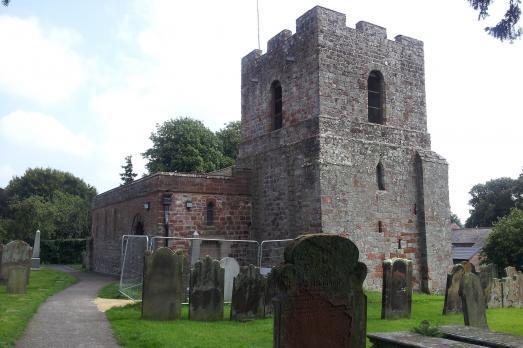
Standing forlorn, with only a farm for company, St Michael's is a precious little building. Although restored in 1877 and built of a patchwork of greenstone and brick, the church is essentially Norman.
St Michaels Mount, GB
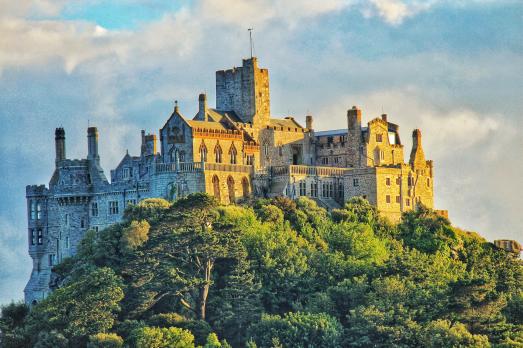
The abbey is a spectacular sight, perched on a rocky hill and surrounded by blue waters. At low tide, the Mount is approached by a historic stone causeway, used by pilgrims in the Middle Ages. The battlemented chapel is lovely and is still a place of pilgrimage. Behind the altar are three 15th century alabaster panels that were crafted in Nottingham. The west end of the church contains a fine 15th century rose window with early 20th century glass.
Caerhays, GB
There is a peal of six bells, three of which are medieval. In 1970 the ancient tower was repaired and a new buttress built. Funds for the past and future church maintenance have been and still are raised by local efforts and the generous donations of visitors.
Cumbria, GB
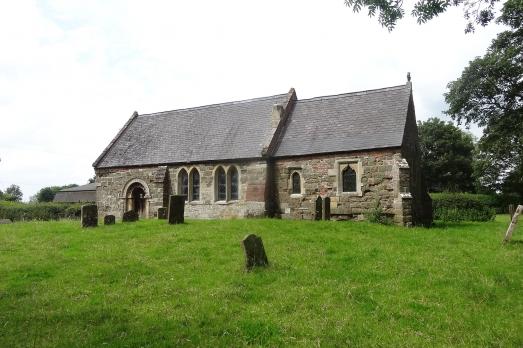
12th century Norman church, built with stones from Hadrian's Wall and the Roman fort of Aballava and situated alongside the Hadrian's wall Path and cycleway. King Edward I (Longshanks) died nearby and lay in State in the church for ten days in 1307. One of only three fortified churches in Cumbria, with visible architectural features from the turbulent past of this border area.
Waddington, GB
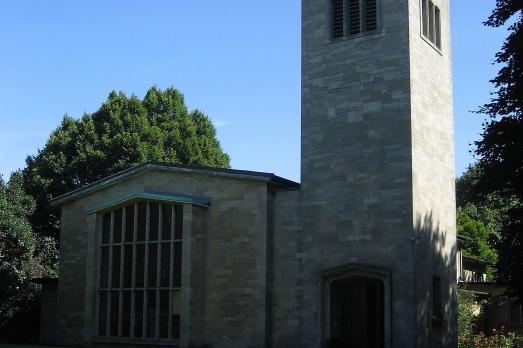
Rebuilt on the site of the medieval church, which was destroyed by a bomb on the night of 8th/9th May 1941, St Michael's is built of concrete with Ancaster stone facings outside. The tall windows allow the building to be filled with light. Unusually, there is no east window.
Bowness on Solway, GB
Bowness parish church, dedicated to St Michael, has a long and interesting history. The first Rector recorded was in 1265, though it is thought there must have been a church on the present site for around 900 years, as the font dates back to Norman times. Sited in an area of Outstanding Natural Beauty, adjacent to the hidden gem of the Solway Firth, St Michael's Church offers the visitor a peaceful space for reflection, together with many points of historical interest.
Great Torrington, GB
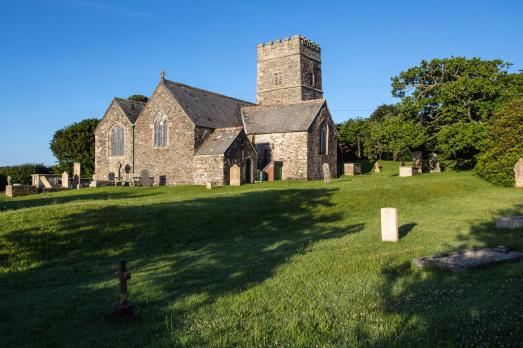
Great Torrington has a fascinating and colourful history. A priest, Humphrey, was instituted here in 1259, but the oldest parts of the building are 14th century. Leyland (1538) says ‘Torington is a great large toune and stondith on the brow of an hille and hath 3 fair streates yn it and a market everywke, and ons a yere apon St Michal's day the best fayr.'
Hawkshead, GB
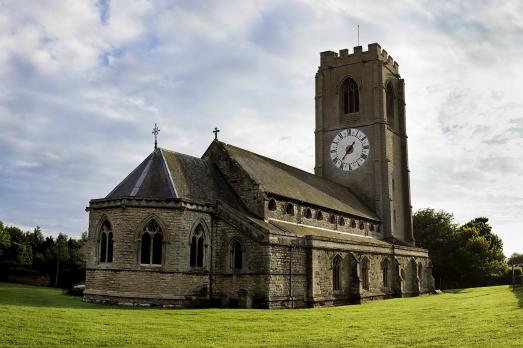
A church has stood on this site, a small hill above Hawkshead, for over 800 years. The present church was built around 1490 (parts of the tower are older) and has been little changed since the late 16th century. Grade 1 listed, it is one of the finest examples of a late mediaeval, vernacular Lake District church. It has literary connections with Wordsworth and was also the home the home of Archbishop Sandys in the 16th century.
Arthuret , GB
The church of St Michael & All Angels is situated on a hill in the ancient parish of Arthuret and overlooks the market town of Longtown with fine views of the surrounding countryside.
new
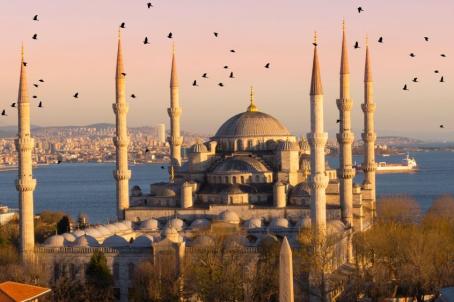
For a long time, Europe was ruled by powerful monarchies. Monarchy and religion have been connected since time immemorial. Here are 7 sites across Europe where royalty historically bent the knee to a higher power and received their crown.
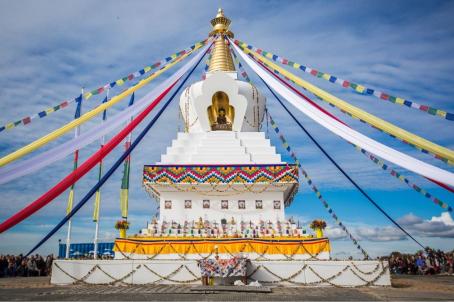
Stupas are symbols of enlightenment and peace that commemorate different stages of Buddha's life. Since the mid-20th century, thousands of stupas have begun to populate Europe. We have compiled some of the most impressive ones in this list.
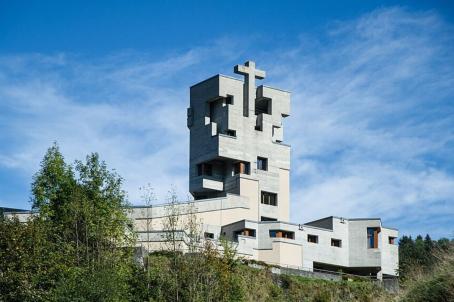
Walter Maria Förderer (1928–2006) was a Swiss architect and sculptor renowned for his neo-expressionist church designs in the 1960s. In this list we have compiled 6 of his church designs that seamlessly integrate religious and secular elements.