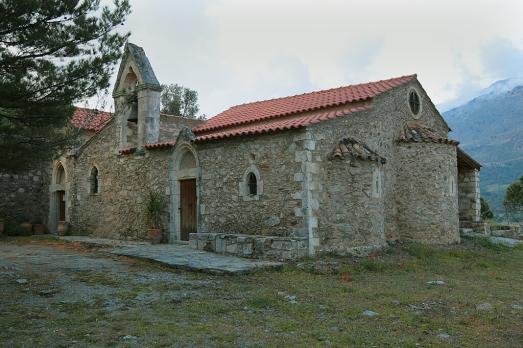
Valsamonero Monastery
, GR
Valsamonero Monastery (Moni Varsamonerou) is a former monastery located 53km south of Heraklion. It is not fat from the Vrontisi Monastery.

Here you can search for a building to visit. You can use the map find destinations, or you can use the filters to search for a building based upon what different criteria.
, GR
Valsamonero Monastery (Moni Varsamonerou) is a former monastery located 53km south of Heraklion. It is not fat from the Vrontisi Monastery.
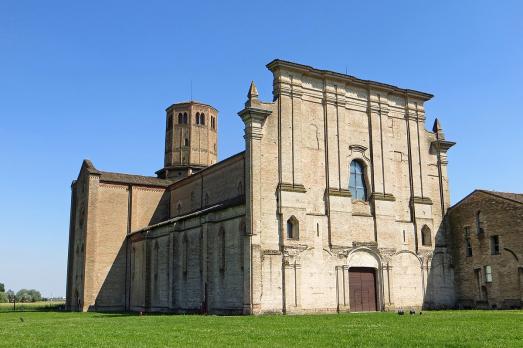
Parma, IT
Valserena Abbey is a former Cistercian abbey in combined Gothic and Baroque style, founded in 1298. From the 15th century onwards, the complex was extended and modified several times. In 1551, during the Parma War (part of the Italian War of 1551-59), the complex was occupied for a time by the troops of the governor of Milan Ferrante I Gonzaga, an ally of the Holy Roman Emperor Charles V of Habsburg. Between the end of the 17th and the beginning of the 18th century, the abbey church was given a new monumental façade in Baroque style to replace the previous one in Gothic style. Deconsecrated in 1810, the abbey has been since 2007 the seat of the Centre for Communication Studies and Archives of the University of Parma.
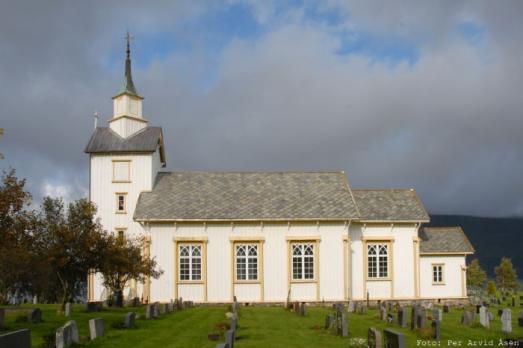
Valsøyfjord, NO
Valsøyfjord Church, also popularly called Otnes Church, is a wooden church completed in 1864 according to the design of the Danish-born architect Jacob Wilhelm Nordan (1824 - 1892).
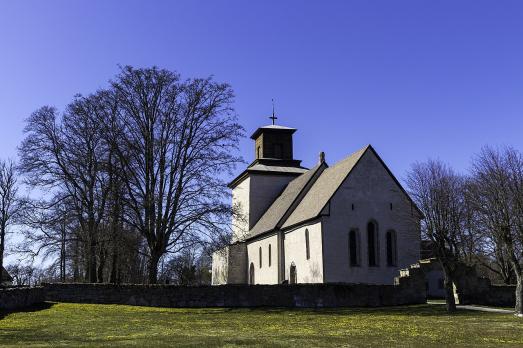
Vamlingbo, SE
Vamlingbo Church is one of the 92 medieval churches on the island of Gotland.
Dedemsvaart, NL
In 1959 the church was modernised and a new pulpit was installed. The pulpit from 1834 was removed. During the restoration of 1988 a suitable pulpit was sought and this was found in the Nieuwezijds Kapel in Amsterdam, which had been decommissioned in the early 1970s. This pulpit was made around 1630.
Amersfoort, NL
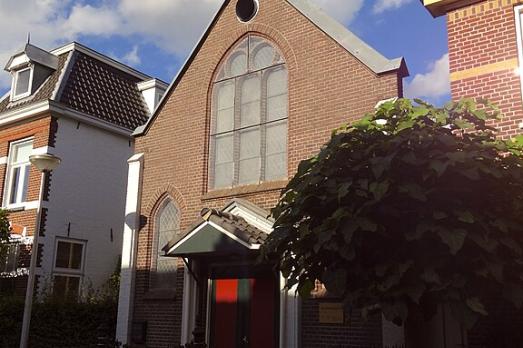
Nice, small, neo-Gothic hall church, without tower.
Almere-Buiten, NL
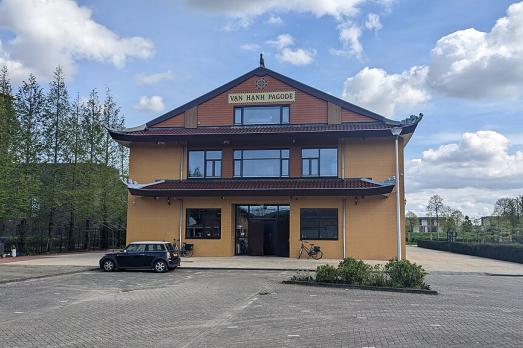
To support its activities, the VBSN foundation owns the Van Hanh pagoda in Almere. Three major celebrations take place there each year. Various groups are active there on weekends. In addition, the foundation regularly performs ceremonies there at weddings, funerals, commemorations, etc.
St. Annaparochie, NL
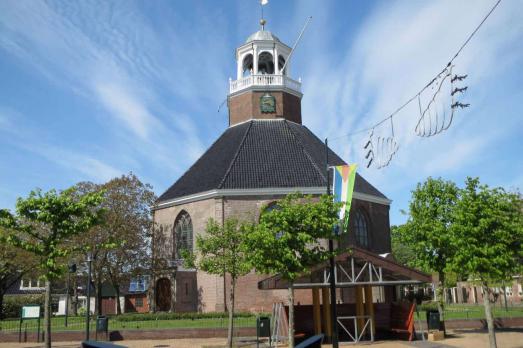
St. Annaparochie is particularly known because of the marriage of Saskia van Uylenburgh and Rembrandt van Rijn that took place in the area. It did not happen in this church building, but in its predecessor. The Local Commission that manages the church preserves the memory of this special marriage.
Hämeenlinna, FI
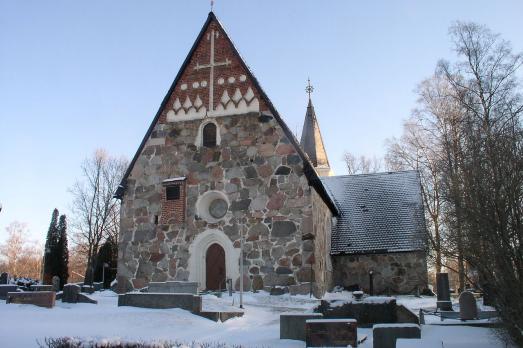
The church of Vanaja is a grey stone church built at the end of the 1490s and during the first decade of the 16th century. It is one of the smallest medieval greystone churches in Finland. The church in Vanaja has been repaired over the centuries. The church underwent major renovations in 1681 and 1789. The most important renovation was carried out in the 1860s. At that time, the windows on the south wall were enlarged, and two new windows were added to the north wall. In 1884, the church was plastered on the outside and whitewashed on the inside. The interior was remodelled again in the 1930s when the church was given a wooden floor. It was not until 1953 that an electric heating system was built in the church, and the church became warm and bright. The most recent renovation of the church took place in 1984.
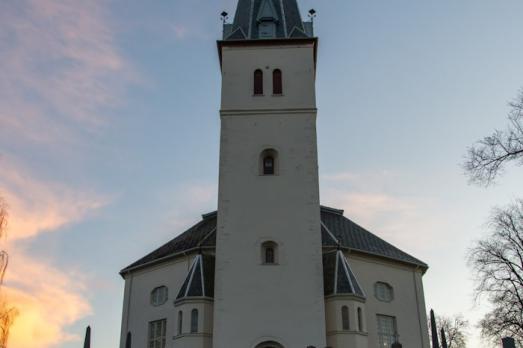
Hamar, NO
The Vang church is an octagonal brick church dating from 1810. The bell tower on the west side comes from the old medieval church on the site. The church was designed by parish priest Abraham Pihl, and the builder was Svend Aspås from Røros. The church in Vang has since served as a model for the church in Gamle Hunn, the church in Åmot in Nord-Torpa and the church in Jevnaker. The church was restored in 1954, and as with Hamar Cathedral, the restoration work was led by the architect Arnstein Arneberg.
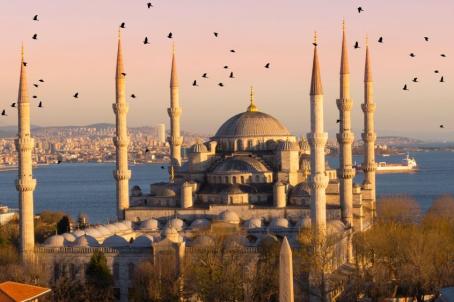
new
For a long time, Europe was ruled by powerful monarchies. Monarchy and religion have been connected since time immemorial. Here are 7 sites across Europe where royalty historically bent the knee to a higher power and received their crown.
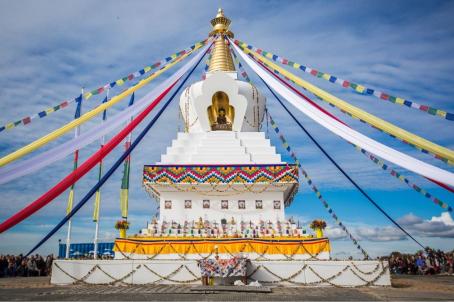
Stupas are symbols of enlightenment and peace that commemorate different stages of Buddha's life. Since the mid-20th century, thousands of stupas have begun to populate Europe. We have compiled some of the most impressive ones in this list.
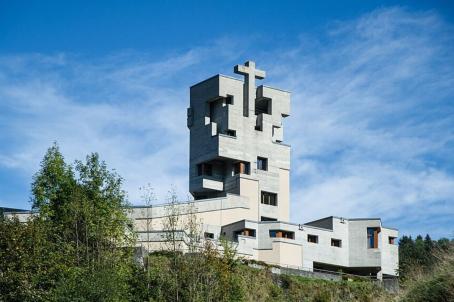
Walter Maria Förderer (1928–2006) was a Swiss architect and sculptor renowned for his neo-expressionist church designs in the 1960s. In this list we have compiled 6 of his church designs that seamlessly integrate religious and secular elements.

How is Religiana helping to conserve and promote Religious Heritage in Europe and why should you get involved?
Find out about Religiana
Are you a tourism organisation or religious heritage sites manager? Discover the advantages of becoming a partner.
See current partners
We can keep you up to date with the latest news from Religiana and religious heritage conservation across Europe.
Sign up to the FRH newsletter