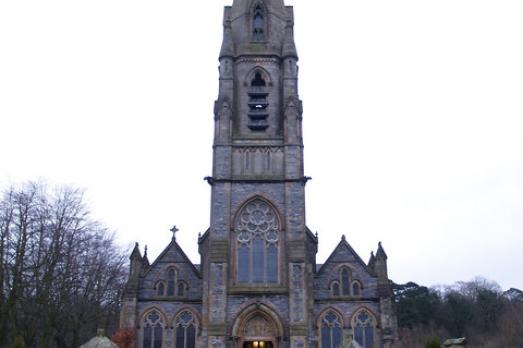
Church of the Immaculate Conception, Strabane
Strabane , GB
Church of the Immaculate Conception is beautifully adorned with stained glass windows and carved sculptures.

Here you can search for a building to visit. You can use the map find destinations, or you can use the filters to search for a building based upon what different criteria.
Strabane , GB
Church of the Immaculate Conception is beautifully adorned with stained glass windows and carved sculptures.
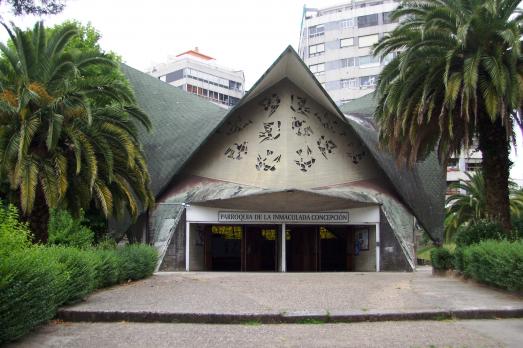
Vigo, ES
The Church of the Immaculate Conception was inaugurated in 1968. Its plan, by Antonio Román Conde, is directly inspired by Le Corbusier. It is characterized by the use of right angles, which rise towards the sky. Inside, light is obtained through the glass and plastic grilles. The most commonly used material is concrete, both for the creation of the outer triangles and for the choir platform.
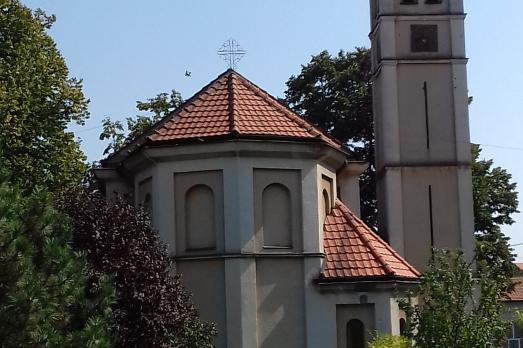
Bijeljina, BA
The Church of the Immaculate Heart of Mary, built between 1885 and 1913, was designed by Josip Vancaš, the official architect and advisor to the Archdiocese of Bosnia, designer of a large number of religious buildings.
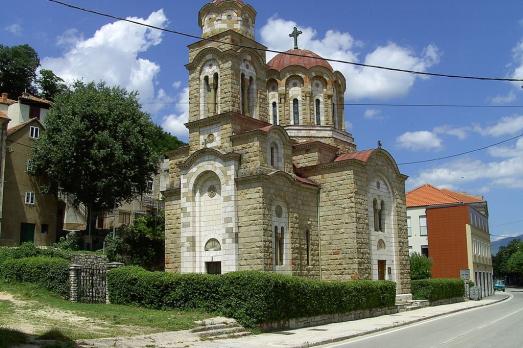
Knin, HR
The Serbian Orthodox Church of the Intercession of the Holy Virgin in Knin was built in the 18th century. The church has a neo-Byzantine style. The building had its current look since 1971.
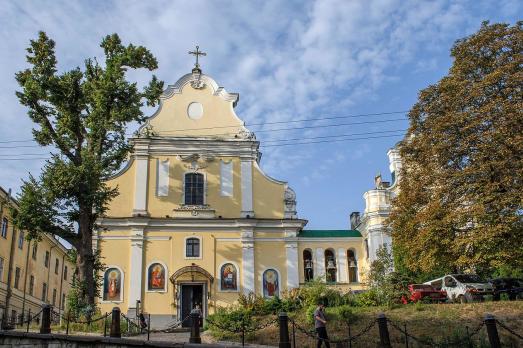
L'viv, UA
The Church of the Intercession of the Holy Virgin, formerly the Church of St. Nicholas, is an architectural monument of the 18th century. The first Trinitarians arrived in Lviv in 1685 from Spain. Gradually they bought several houses in the centre of Lviv, where they built a temporary monastery. The wooden monastery on a brick foundation was built in 1694. Two years later, the construction of the wooden church of St. Nicholas was completed. In 1739-1745, a modern building was built at the expense of Samuel Mukhavetsky and Jan Jablonowski. In 1769, there was a fire. The reconstruction lasted until 1777. In 1782 the Trinitarian order was abolished and in 1790 the church became a parish and then a university church in the mid-19th century. Since 1945, the Church was turned into an Orthodox church.
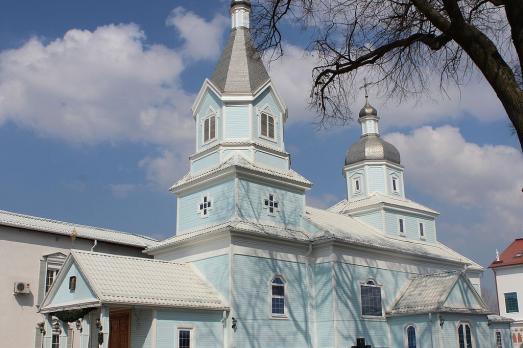
Chizhevichi, BY
The Orthodox Church of the Intercession was built between 1795 and 1808 on the site of a previous church burnt down by Saxon troops in 1678. In 1807, the new church burned down but was quickly rebuilt by the parishioners and reopened the following year. In 1861, a 27-metre bell tower with 12 bells was erected. As the number of believers increased, the temple underwent reconstruction in 1885 and 1911. Closed in 1934 by the Soviet authorities, the church reopened definitively after independence.
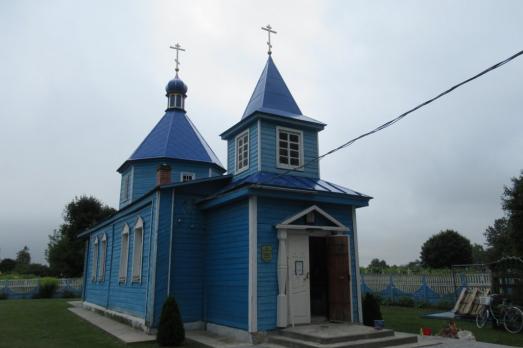
Chocimsk, BY
The Church of the Intercession is a wooden Orthodox church built in 1892 as a cemetery chapel. In the Soviet era, in 1969, an altar and a vestibule with a bell tower were added to the church.
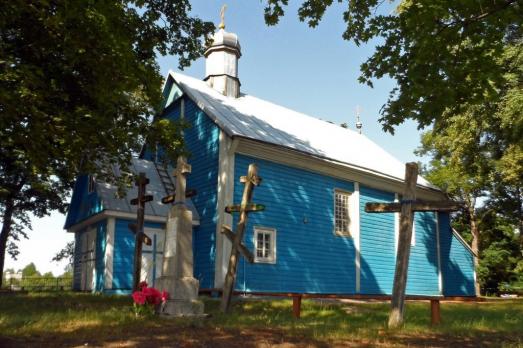
Detkovichi , BY
The Church of the Intercession is a wooden church built in 1740, rebuilt in 1884 by the engineer Alexander Roemer. The church hall is covered with a flat beamed ceiling. The sacristy is located behind the apse, which is underlined by an iconostasis created in the 1830s, and a choir above the entrance. In front of the church, there is a bell tower.
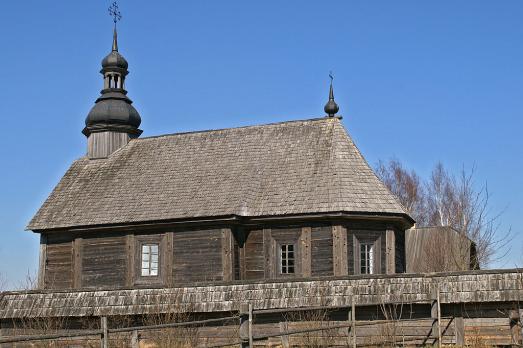
Ozertso, BY
The Orthodox Church of the Intercession is a monument of wooden vernacular architecture built as a Uniate (Greek-Catholic) church in the 18th century. In 1866 the church was repaired because at that time the roof was in poor condition. The last renovation took place in the 1920s. The Church of the Intercession functioned until the 1930s.
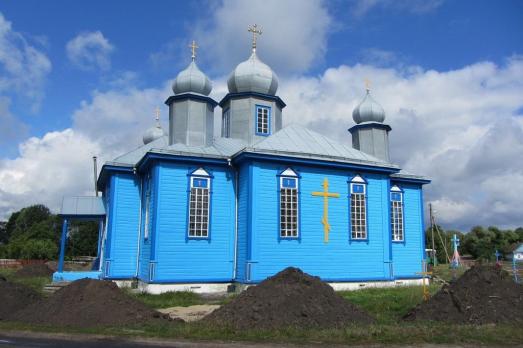
Plotnitsa, BY
The Orthodox Church of the Intercession was built in wood in 1781. The church was rebuilt in 1873 with a bell tower and in 1899 a parish school was also built.
new
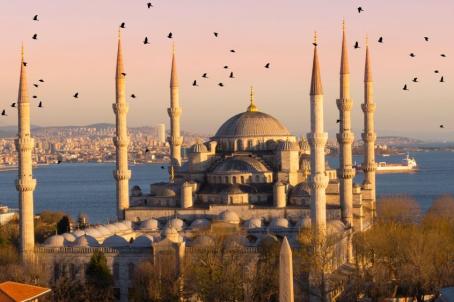
For a long time, Europe was ruled by powerful monarchies. Monarchy and religion have been connected since time immemorial. Here are 7 sites across Europe where royalty historically bent the knee to a higher power and received their crown.
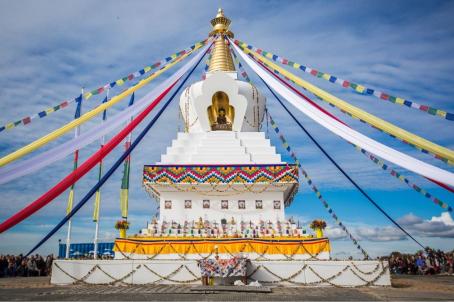
Stupas are symbols of enlightenment and peace that commemorate different stages of Buddha's life. Since the mid-20th century, thousands of stupas have begun to populate Europe. We have compiled some of the most impressive ones in this list.
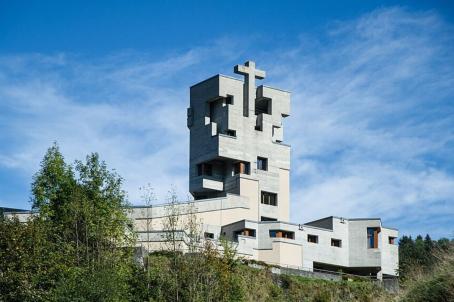
Walter Maria Förderer (1928–2006) was a Swiss architect and sculptor renowned for his neo-expressionist church designs in the 1960s. In this list we have compiled 6 of his church designs that seamlessly integrate religious and secular elements.

How is Religiana helping to conserve and promote Religious Heritage in Europe and why should you get involved?
Find out about Religiana
Are you a tourism organisation or religious heritage sites manager? Discover the advantages of becoming a partner.
See current partners
We can keep you up to date with the latest news from Religiana and religious heritage conservation across Europe.
Sign up to the FRH newsletter