Explore Religious Heritage Across Europe

Here you can search for a building to visit. You can use the map find destinations, or you can use the filters to search for a building based upon what different criteria.

Refine search

Church of the Holy Spirit

Church of the Holy Spirit

Interlaken, CH

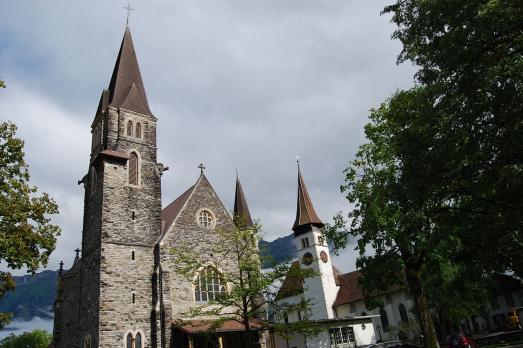
The Church of the Holy Spirit is the Catholic parish church in Interlaken. The church was built between 1906 and 1908 according to the plans of the German architect Wilhelm Hector, who was a well-known church builder at the time. In 1967-68 the interior was completely modified according to the plans of André E. Bosshard from Zurich.
Church of the Holy Spirit

Church of the Holy Spirit

Tolmin, SI

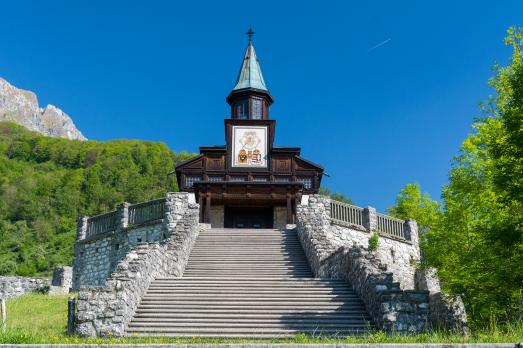
The Church of the Holy Spirit was built in 1916 by the soldiers of the Isonzo front, during the First World War. It was designed by the Viennese architect, then Archbishop Remigius Geyling, a friend of Gustav Klimt. It is dedicated to the fallen soldiers of the First World War, regardless of their origins and culture, as evidenced by the inscription Ultra cineres hostium ira non superest (Do not hate beyond the ashes of the dead).

Church of the Holy Spirit

Church of the Holy Spirit

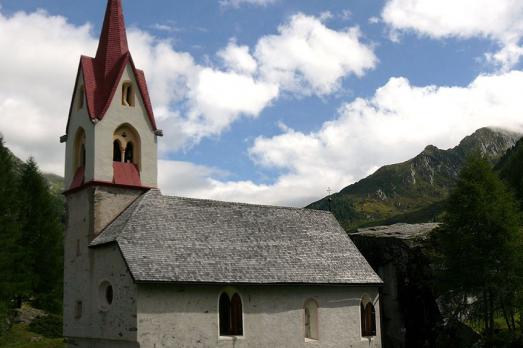
Prettau, IT

The Church of the Holy Spirit was consecrated in 1455. To the west of the church is its bell tower, in which hangs a bell cast around 1600. The nave has a ribbed vault that rests on brackets. In the polygonal choir, on the other hand, a star-shaped vault can be seen. To the south is the walled ogival portal. A brick staircase leads to the gallery. The interior of the church has frescoes, the oldest of which date from the 15th century.

Church of the Holy Spirit

Church of the Holy Spirit

Paris, FR

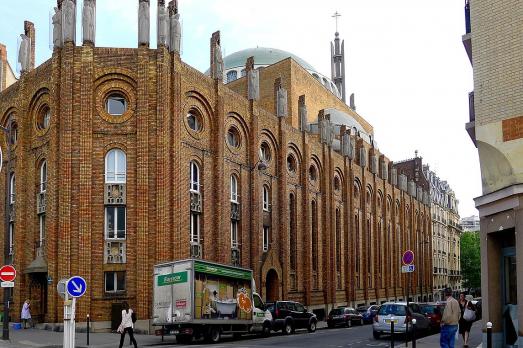
It is in a peripheral district of the east of Paris that this church dedicated to the Holy Spirit was built between 1926 and 1935. Cardinal Verdier entrusted this ambitious project to Paul Tournon, an architect with a classical education, who had just experimented with new techniques in Sainte-Thérèse d'Elizabethville (now Lubumbashi, Zaire).

Church of the Holy Spirit

Church of the Holy Spirit

Rosenheim, DE

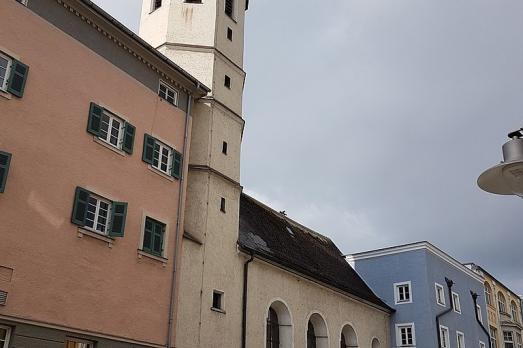
The Church of the Holy Spirit dates back to the middle of the 15th century. Founded as a private place of worship, members of the Stier donor family could enter the Wolfgangskapelle, the higher of the two chapels attached to the parish hall in the eastern part, directly from their property, today's Stockhammerhaus.

Church of the Holy Spirit

Church of the Holy Spirit

Tallinn, EE

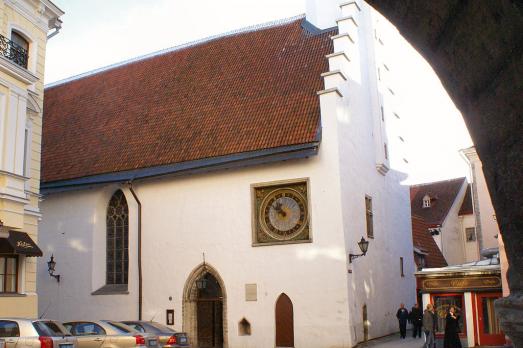
The Church of the Holy Spirit is the smallest medieval church in Tallinn. The first written documents mentioning the church date back to 1316. Between 1375 and 1380 several reconstructions and additions were made to the church. Originally, the church was a single-nave church, but as the congregation grew, a side nave was added. Major changes to the façade probably took place after the fire of 1433. Minor changes were also made in the 17th century when a new Baroque bell tower with two open balconies was built on top of the octagonal tower of the church, which resembles the exterior of the town hall in its appearance.

Church of the Holy Spirit, Wolfsburg

Church of the Holy Spirit, Wolfsburg

Wolfsburg, DE

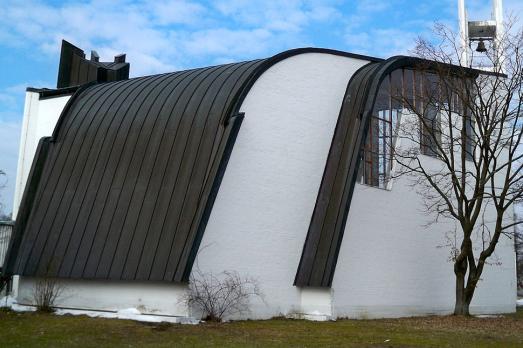
Construction of the Church of the Holy Spirit in Wolfsburg began in 1961 and was finished in 1962. It was planned by the Finish star architect Alvar Aalto. The expressive, curved ceiling - a curved slab formwork made of Oregon pine - and the interior are designed from Aaltos own hand, down to the last detail.

Church of the Holy Trinity and St. Spyridon

Church of the Holy Trinity and St. Spyridon

Trieste, IT

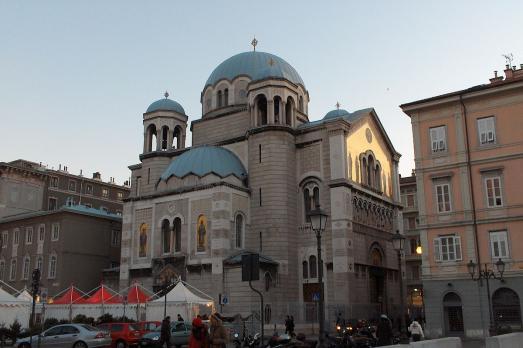
The Church of the Holy Trinity and St. Spyridon is a Serbian Orthodox church built between 1868 and 1885. It is the work of the architect Carlo Maciachini (1869) and it stands on the site of a pre-existing church of 1753, also dedicated to St. Spyridon. The architecture is clearly of Byzantine taste and is characterized by a dome higher than the four bell towers. The façade is decorated with nine large statues by the Milanese sculptor Emilio Bisi (1850-1920). The interior is richly decorated according to Byzantine canons, entirely decorated with oil paintings imitating mosaics.

Be inspired

Stupkalnis.lt

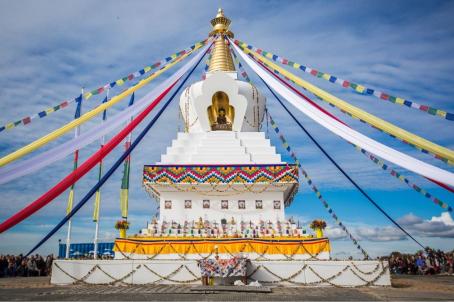
10 Buddhist stupas to discover in Europe

Stupas are symbols of enlightenment and peace that commemorate different stages of Buddha's life. Since the mid-20th century, thousands of stupas have begun to populate Europe. We have compiled some of the most impressive ones in this list.