Explore Religious Heritage Across Europe

Here you can search for a building to visit. You can use the map find destinations, or you can use the filters to search for a building based upon what different criteria.

Refine search

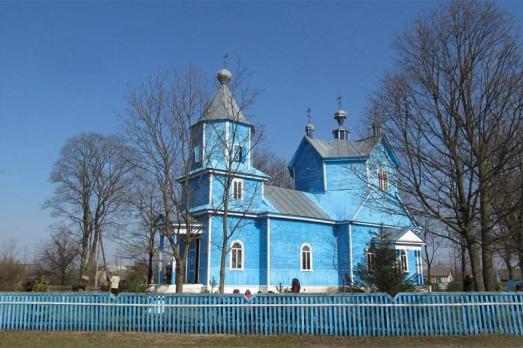
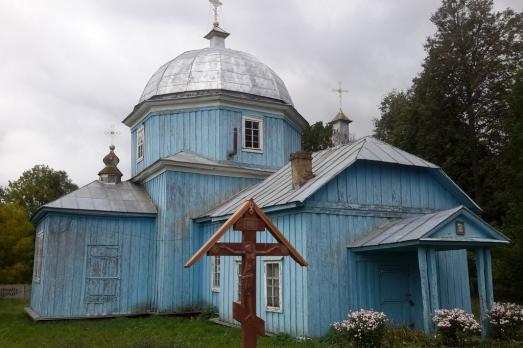
Church of the Protection of the Blessed Virgin Mary

Church of the Protection of the Blessed Virgin Mary

Bol'shie Lozitsy, BY

The Orthodox Church of the Protection of the Blessed Virgin Mary was built in 1820. It is a monument of vernacular architecture with characteristics of classicism. The cross-shaped church is surmounted by a dome. A square vestibule is attached to it by a short nave.
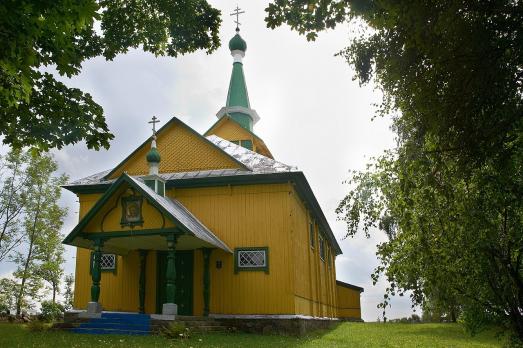
Church of the Protection of the Blessed Virgin

Church of the Protection of the Blessed Virgin

Osinogorodok, BY

The Orthodox Church of the Protection of the Blessed Virgin was built in 1856 on the site of a previous wooden temple dating from 1782. At the beginning of the 20th century, the church was rebuilt by the architect Victor Ivanovich Struev. Next to the church, there is a bell tower.

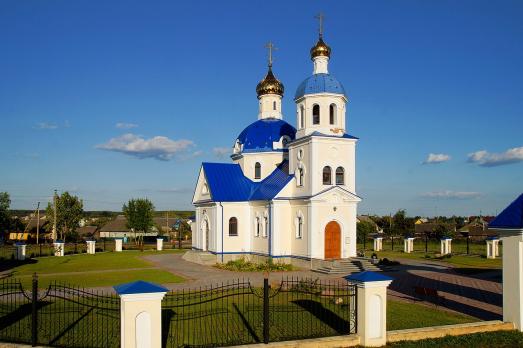
Church of the Protection of the Blessed Virgin

Church of the Protection of the Blessed Virgin

Vilejka, BY

The Church of the Protection of the Blessed Virgin is an Orthodox church built between 2010 and 2015. Construction of the church began on 1 October 2010 on the site of the former chapel of the Intercession of the Blessed Virgin. In May 2014, the icons of the "Shroud" and the "Inexhaustible Cup" were delivered from Mount Athos to the temple. The building is made of brick, its domes are made of titanium.

Church of the Protection of the Holy Virgin

Church of the Protection of the Holy Virgin

Vyalikiya Chuchavichy, BY

The Orthodox Church of the Protection of the Holy Virgin was built between 1846 and 1851. In 1908 it was rebuilt with a belfry. The composition of the church is influenced by the wooden architecture of Northern Russia.

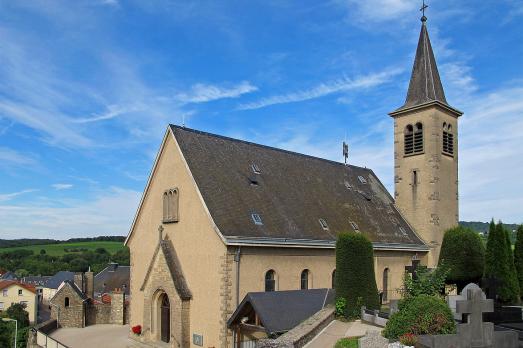
Church of the Redeemer

Church of the Redeemer

Schengen, LU

The Church of the Redeemer in Schengen was first mentioned in 1608 as a chapel. When Schengen was granted parish status in 1807, the chapel became a church and was subsequently enlarged in 1870. Completely destroyed by fire in 1947, the church was rebuilt in its present form from 1949 to 1950 according to plans by Etienne Galowich.

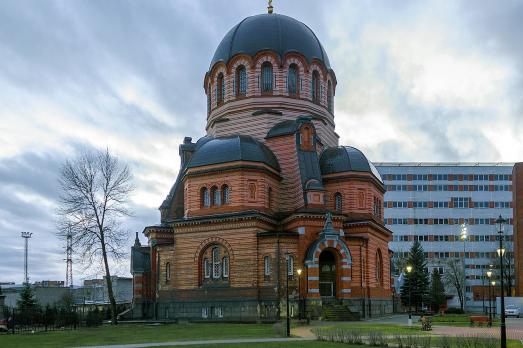
Church of the Resurrection of the Christ

Church of the Resurrection of the Christ

Narva, EE

The Church of the Resurrection of the Christ of Narva is an Orthodox cathedral built between 1890 and 1898 by the architect Paul Alisch. It is the only neo-Byzantine sacred building in Estonia.

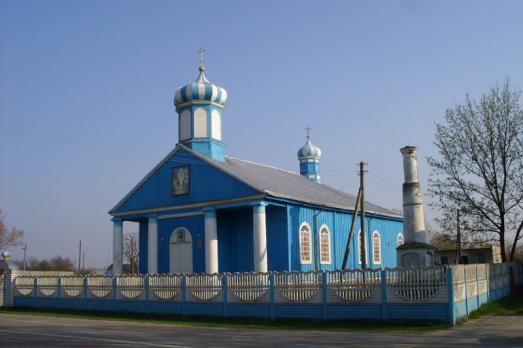
Church of the Resurrection

Church of the Resurrection

Antopaĺ, BY

The Church of the Resurrection is an Orthodox church, a beautiful monument of wooden vernacular architecture with characteristics of classicism. It was built in 1854 from wood and in 1866 the bell tower was erected in front of the church. The rectangular building made of solid wood is covered with a gable roof with a hipped roof over the altar. The main facade is characterised by a stylised portico with four columns, above the pediment of which rises an onion-shaped dome on an octagonal light drum. During the construction of the temple, important deviations from the design were made: instead of two domes, one was placed on the front façade, a portico was erected and the projected dimensions were changed.

Church of the Resurrection, Essen

Church of the Resurrection, Essen

Essen, DE

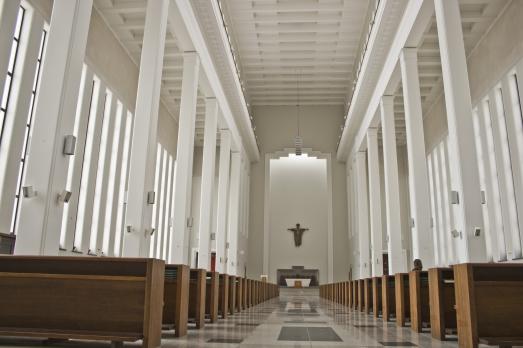
Construction of the Church of the Resurrection in Essen began in 1929. It was finished in 1930. The architect was Otto Bartning. With the ultra-modern concrete skeleton building, Bartning transferred the tradition of the Protestant central church into the objective formal language of modernity. The stained glass windows were designed by Johan (Jan) Thorn Prikker. The glazing was largely lost during World War II and was restored until 2007 according to the original cartoons.

Church of the Resurrection

Church of the Resurrection

Kaunas, LT

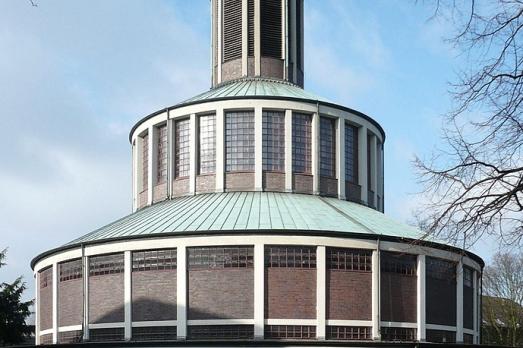
The Church of the Resurrection was established in 1940 but was not consecrated until 2004 due to the Soviet occupation of the country (1940-1990). The avant-garde design of the church, in the New Objectivist style, dates from the 1920s, and the monumental proportions of the church were intended to celebrate the newly gained independence (1922).

Church of the Risen Saviour

Veszprém, HU

The Church of the Risen Saviour is an early 20th-century church in Veszprém built to be the burial place of Bishop Károly Hornig, although it also functioned as a local parish in this area of Veszprem.

Be inspired

Stupkalnis.lt

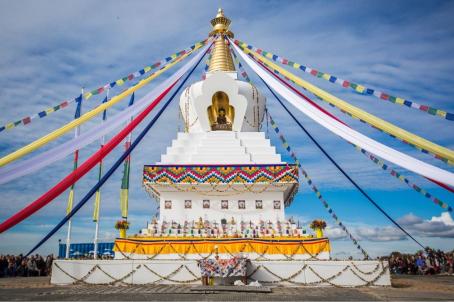
10 Buddhist stupas to discover in Europe

Stupas are symbols of enlightenment and peace that commemorate different stages of Buddha's life. Since the mid-20th century, thousands of stupas have begun to populate Europe. We have compiled some of the most impressive ones in this list.