De Wijnstok
Berkel en Rodenrijs, NL
Evangelism room without tower.

Here you can search for a building to visit. You can use the map find destinations, or you can use the filters to search for a building based upon what different criteria.
Berkel en Rodenrijs, NL
Evangelism room without tower.
Doetinchem, NL
Since December 2000, the parish of Sint-Martinus has had its own church building, De Wingerd. Catholics and Protestants jointly own this special church building and use it together. In the Huet district, there has been a close bond with the PKN branch in Doetinchem for years: the Protestant Community of Doetinchem (PGD). In 2011, the parish presented a new policy plan for the period up to approximately 2016. Changes have been noticeable for a long time and are now also noticeable in the range of services. On 15 June 2012, the archbishop determined that the church centre De Wingerd would be withdrawn from Roman Catholic worship as of 1 January 2013. The Church Centre De Wingerd is also used by other churches, including the Protestant Community of Doetinchem. Services are held regularly and a working group organises ecumenical theme services every month.
Krimpen aan den IJssel, NL
Built as Dutch Reformed Church. Sober modern hall church without tower. Also a messy church .
Oldehove, NL
On the site of the old church from 1955. Interesting modern church with roof turret. Built as Reformed Church (Liberated), since merger in 2023 NGK.
Ens, NL
Built as a Reformed Church. In 1959 the freestanding tower was added. In 2008-2009 major renovation and adjustment in connection with federation with the Reformed Church, which transferred from its own church to this Reformed Church.
Harderwijk, NL
Reconstruction church. Interesting spacious hall church with a tower added on the left side, rectangular windows and a recessed entrance, built in 1959-'60 to a design by architect Woltjer. Etched windows with biblical scenes.
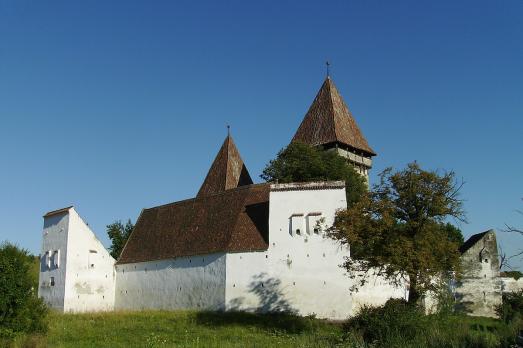
Dealu Frumos, RO
The Romanesque three-aisles basilica originated from the 13th century and was re-shaped through fortification systems in 1500. On the original tower-less church a strong dungeon with defence level was built on the western side and the square chancel was strengthened with walls in such a manner, that it was possible to build another defensive tower there. At the same time, the side aisles were heightened and the building became a hall church. The central nave and the aisles were covered with fine lierne ribbed vaults. In the course of this work the rectangular precincts wall with four corner towers were also built, possibly as a replacement for an older system. The fortified buildings erected in the 16th and 17th century were used in part as accommodation. The ensemble was completed in 1914 by the construction of the community hall on the southern side. The pre-reformation crucifix above the triumphal arch was created in 1425.
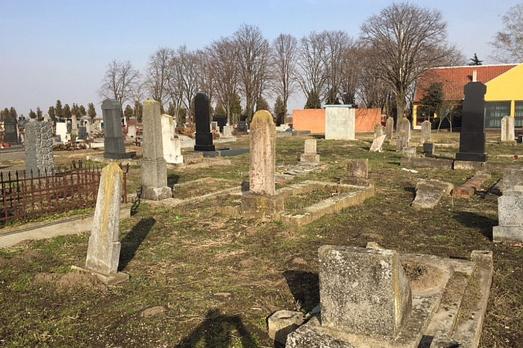
Debeljača, RS
This former Jewish cemetery preserves remains of 40 tombstones from between 1896 and 1940. The site was fenced by ESJF in June 2017.
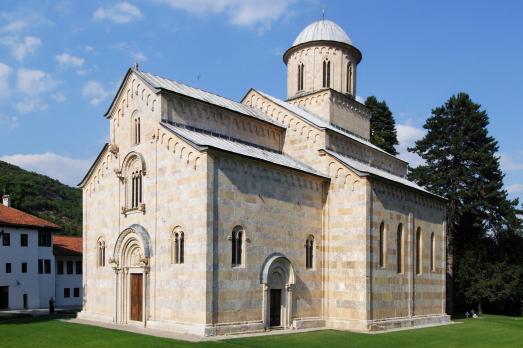
Deçan, XK
The monastery Dečani is a Serbian Orthodox monastery whose church, a cathedral, is the largest medieval church in the Balkans and preserves an important ensemble of Byzantine frescoes. The monastery was founded by King Stefan Dečanski in 1327. Upon his death in 1331, the king was buried there; thus, Dečani became a popular place of pilgrimage. The cathedral preserves a collection of about 1,000 frescoes, representing the major themes of the New Testament, as well as portraits of the Serbian royal family. In 2004, the Visoki Monastery Dečani was included in the UNESCO World Heritage List and in 2006 it was placed on the list of World Heritage in Danger.
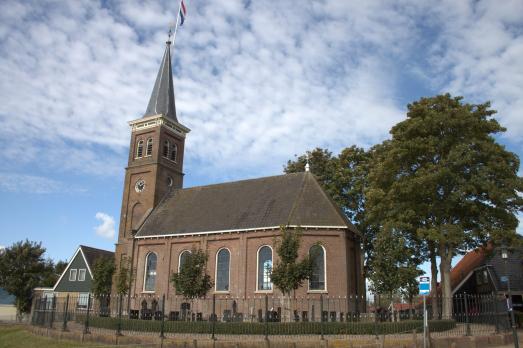
Dedgum, NL
Nothing is left of the old church of Dedgum, except the gate of Aijlva from 1707 - now part of the Fries Museum. The current church of Dedgum dates from the last half of the nineteenth century - but has special elements.
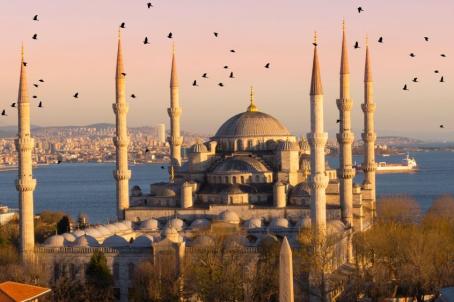
new
For a long time, Europe was ruled by powerful monarchies. Monarchy and religion have been connected since time immemorial. Here are 7 sites across Europe where royalty historically bent the knee to a higher power and received their crown.
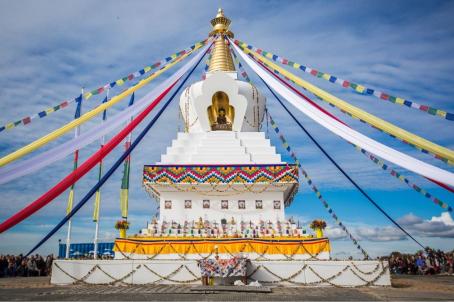
Stupas are symbols of enlightenment and peace that commemorate different stages of Buddha's life. Since the mid-20th century, thousands of stupas have begun to populate Europe. We have compiled some of the most impressive ones in this list.
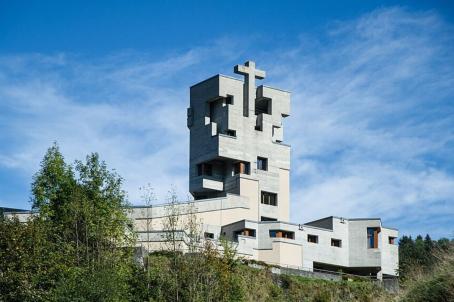
Walter Maria Förderer (1928–2006) was a Swiss architect and sculptor renowned for his neo-expressionist church designs in the 1960s. In this list we have compiled 6 of his church designs that seamlessly integrate religious and secular elements.

How is Religiana helping to conserve and promote Religious Heritage in Europe and why should you get involved?
Find out about Religiana
Are you a tourism organisation or religious heritage sites manager? Discover the advantages of becoming a partner.
See current partners
We can keep you up to date with the latest news from Religiana and religious heritage conservation across Europe.
Sign up to the FRH newsletter