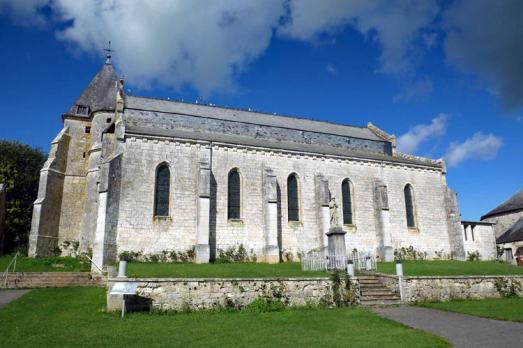
Église Saint-Remi, Aouste
Aouste, FR
Église Saint-Remi is located in Aouste, a small village with 205 inhabitants in the Département Ardennes in the region Grand Est.

Here you can search for a building to visit. You can use the map find destinations, or you can use the filters to search for a building based upon what different criteria.
Aouste, FR
Église Saint-Remi is located in Aouste, a small village with 205 inhabitants in the Département Ardennes in the region Grand Est.
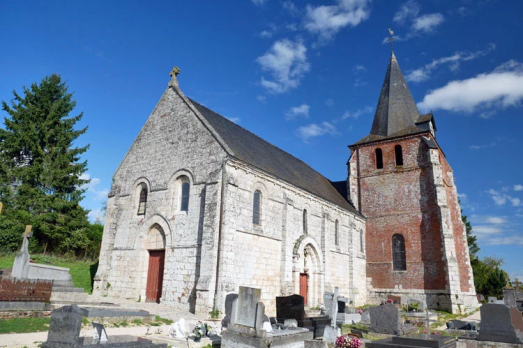
Bosmont-sur-Serre, FR
Église Saint-Rémi is located in Bosmont-sur-Serre, a small village with 186 inhabitants about 8 km east of Marle in the Département Aisne in the région Hauts-de-France.
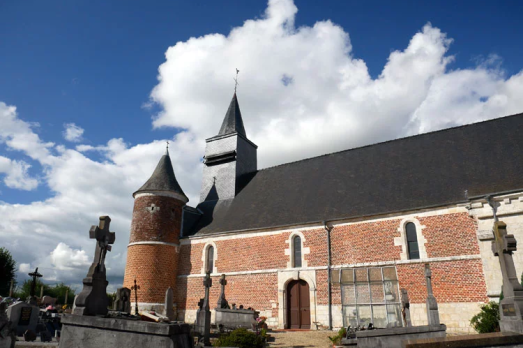
Logny-lès-Aubenton, FR
Église Saint-Rémi is located in Logny-lès-Aubenton, a small village with 79 inhabitants in the Département Aisne about 15 km south-east of the town of Hirson in the Département Aisne in the région Hauts-de-France.
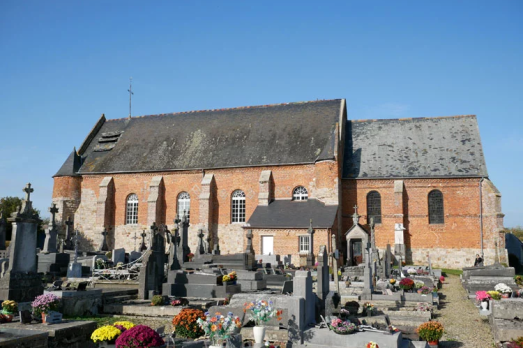
Marly-Gomont, FR
Église Saint-Rémy is located in Marly-Gomont, a commune with 500 inhabitants about 15 km east of the town of Guise in the Département Aisne in the région Hauts-de-France. It was built in 1633 and has been listed as a historical monument since 1928
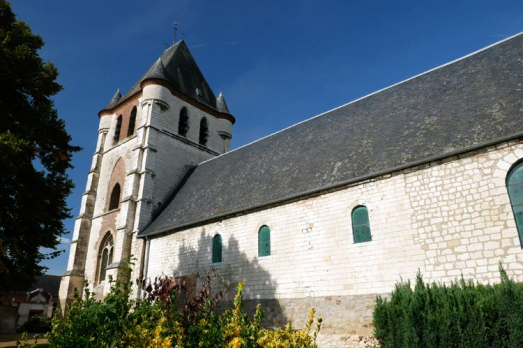
Nouvion-et-Catillon, FR
Église Saint-Rémy is located in Nouvion-et-Catillon, a village with 483 inhabitants in the Département Aisne in the région Hauts-de-France. This church was listed as a historical monument in 1927
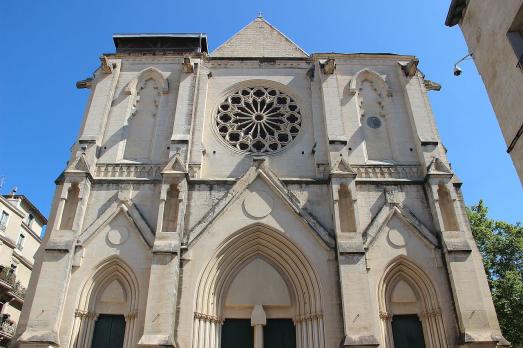
Montpellier, FR
The church of Saint Roch was built in the 19th century in the neo-gothic style. As Saint Roch was a very popular saint in Montpellier, a popular contribution was made to raise funds to build a church in his memory. This was done between 1860 and 1868 by the architect J. Cassan who built the church on the site of the church of Saint-Paul which was destroyed in 1622 during the siege of the city and of which some remains remain at the rear of the present church near the statue of Abbé Fabre.
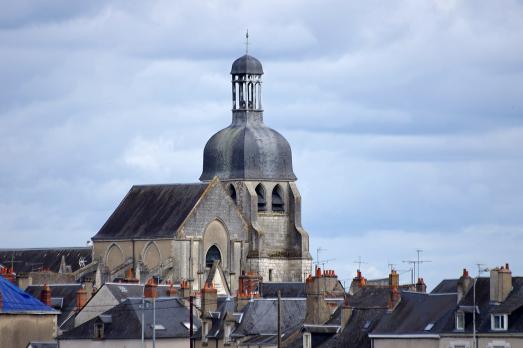
Blois, FR
The church of St Saturnin was built between the 10th and 11th centuries as a modest place of worship. It was not until the 15th and 16th centuries that it became an important place of worship, when the church acquired a miraculous statue of the Virgin, making it an important stop on the Way of St. James. At the beginning of the 16th century, Queen Anne of Brittany undertook reconstruction work on the church, but this was interrupted when she died in 1514. During the Wars of Religion, Protestants set fire to the building's roof structure in 1568. A reconstruction project at the beginning of the 16th century was set up and completely changed the style of the church with the creation of groin vaults between 1570 and 1578.
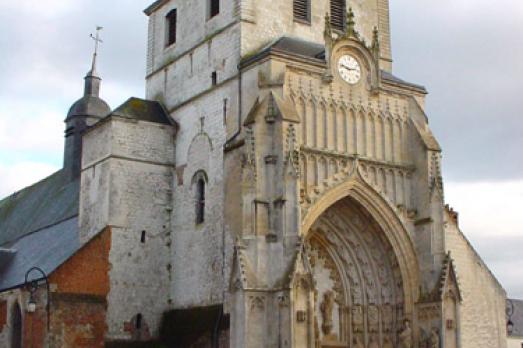
Montreuil-sur-Mer, FR
The church was rebuilt after an earthquake destroyed the nave in 1467. The choir and the transept were destroyed by the army of Charles V in 1537, and the transept was never rebuilt. The vault of the nave was rebuilt at a lower level. Reconstruction continued until the 17th century. In 1869, the aisle was restored. The first building was the abbey church dedicated to St Walloy, founded towards the end of the 9th century. Following the translation of the remains of Saint Saulve to Montreuil, in 1111, the abbey was then reconstructed and took the name that we know today.
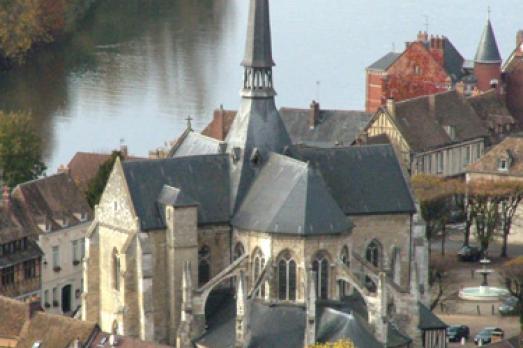
Les-Andelys , FR
The construction of the church began in 1220 and was completed in the 15th century. During the revolution it was used as an iron and lead store. Partial destructions took place, the first one in 1940 with the war. The stained glass windows exploded. A second one takes place in 1973, a tornado destroys the spire which collapses on the roof.
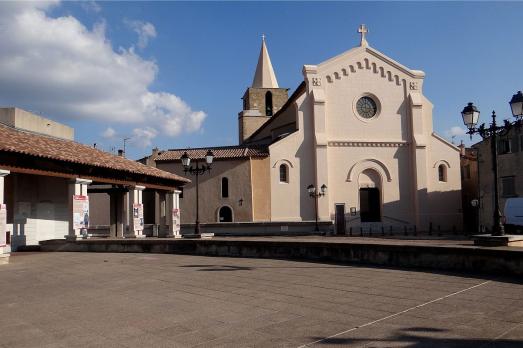
Aubagne, FR
The church of Saint-Sauveur in Aubagne is a Romanesque church built between the 11th and 12th centuries and consecrated on 18 October 1615 by the bishop of Marseille. The church was adjacent to a castle that was destroyed during the French Revolution.
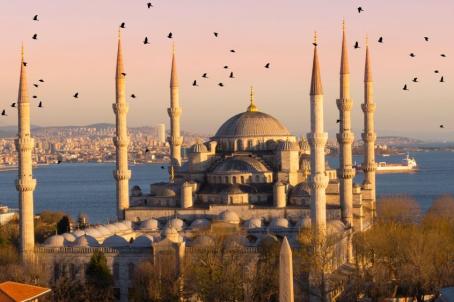
new
For a long time, Europe was ruled by powerful monarchies. Monarchy and religion have been connected since time immemorial. Here are 7 sites across Europe where royalty historically bent the knee to a higher power and received their crown.
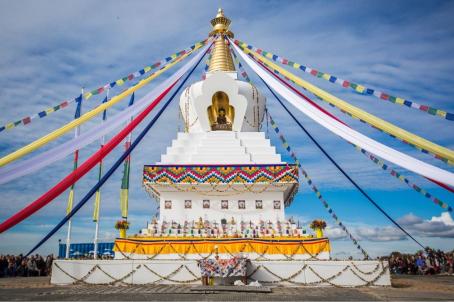
Stupas are symbols of enlightenment and peace that commemorate different stages of Buddha's life. Since the mid-20th century, thousands of stupas have begun to populate Europe. We have compiled some of the most impressive ones in this list.
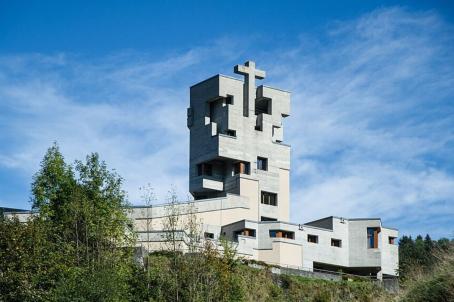
Walter Maria Förderer (1928–2006) was a Swiss architect and sculptor renowned for his neo-expressionist church designs in the 1960s. In this list we have compiled 6 of his church designs that seamlessly integrate religious and secular elements.

How is Religiana helping to conserve and promote Religious Heritage in Europe and why should you get involved?
Find out about Religiana
Are you a tourism organisation or religious heritage sites manager? Discover the advantages of becoming a partner.
See current partners
We can keep you up to date with the latest news from Religiana and religious heritage conservation across Europe.
Sign up to the FRH newsletter