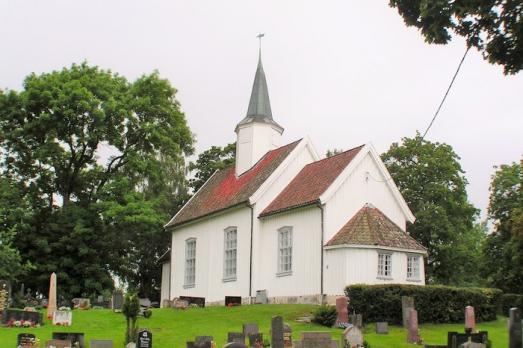
Hovin Church
Indre Østfold, NO
Hovin church is a wooden long church from 1620. It is the oldest church in the municipality.

Here you can search for a building to visit. You can use the map find destinations, or you can use the filters to search for a building based upon what different criteria.
Indre Østfold, NO
Hovin church is a wooden long church from 1620. It is the oldest church in the municipality.
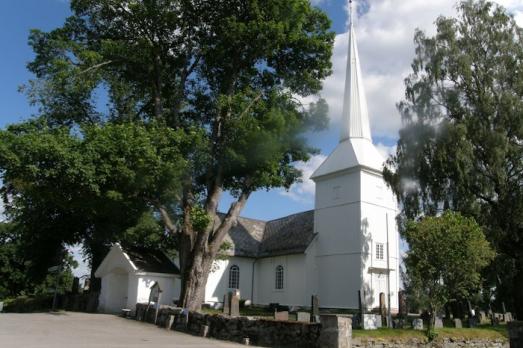
Ullensaker, NO
Hovin Church is a cruciform wooden church with a vestry on the north side of the chancel and a tower in front of the western cross arm. The church was completed in 1695 and replaced a 14th-century stave church. The interior underwent major changes in 1855.
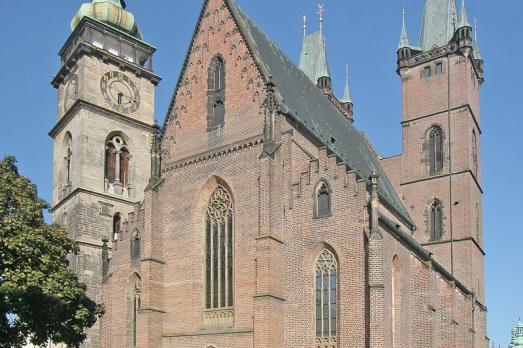
Hradec Králové, CZ
The Cathedral of the Holy Spirit is a Gothic brick basilica founded in the 14th century. The church had to be repaired several times, after the Hussite wars (15th century) and after the Thirty Years' War (1618-1648). In 1664, the church became a cathedral by the foundation of a bishopric and was then rebuilt in the Baroque style. In 1864-1876, the church was radically re-gothicised by František Schmoranz.
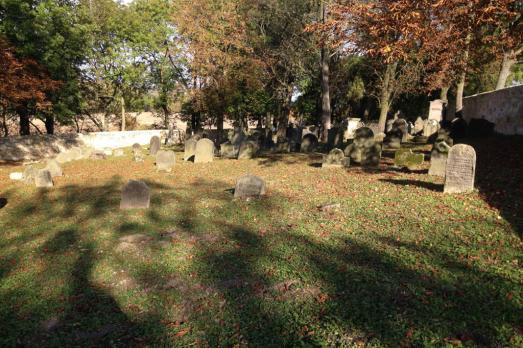
Hřivčice, CZ
Hrivcice cemetery was founded in the beginning of the 18th century. Most of the tombstones are toppled, broken, or otherwise damaged. The site has a 135 metre long perimeter wall, but some sections are seriously damaged.
Lollum, NL
Dutch Reformed Church. 13th century brick church with semi-circular closed choir; plastered in the 19th century and provided with a tower (in 1883). Internal pulpit, baptismal fence, two family pews, carved cheeks of pews. Organ by Bakker and Timmenga from 1914 using older parts. Bell tower with bell by G. van Wou, 1550, diam. 79 cm. Mechanical tower clock.
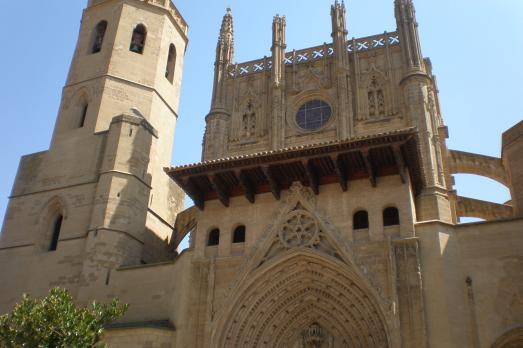
Huesca, ES
The construction of Huesca Cathedral began at the end of the 13th century and was completed at the beginning of the 16th century. At the time of the construction of the cathedral, Catholic masses were celebrated in the former Wasqa Mosque (dating from the 8th and 11th centuries) of which almost nothing remains. The cathedral was completed in 1511, but it was not until 1539 that the main entrance of the building was completed in the Aragonese style of the 16th century.
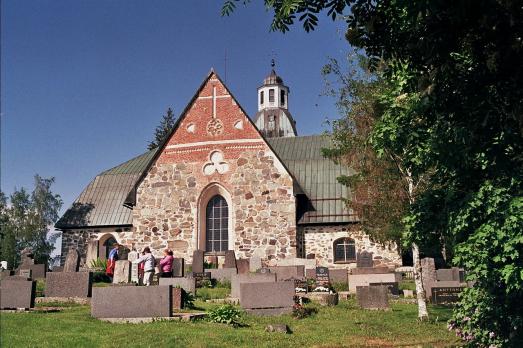
Huittinen, FI
The Huittisten church is a medieval stone church, the oldest parts of which date back to the 1340s. At the end of the 15th century, the central and eastern parts of the church were raised. In the 1630s a tower was built on the west gable and in 1647 the southern part was given a nave. During the 18th century, the church was renovated and rebuilt several times after a fire at the end of the century. The Huittisten church became a cross church in 1860 with the completion of the northern part.
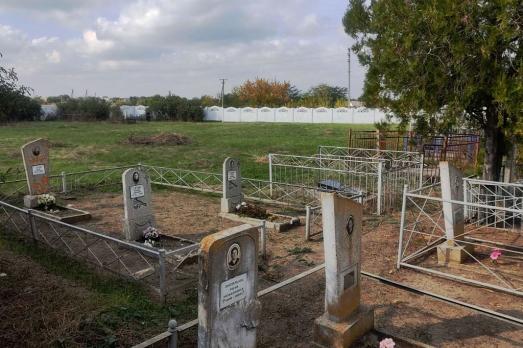
Huliaipole Old, UA
The exact period of the cemetery’s establishment is unknown. Given that the oldest preserved tombstone dates to the late 19th century, it can be gathered the cemetery was founded in that era. It cannot be found marked on old maps of the region.
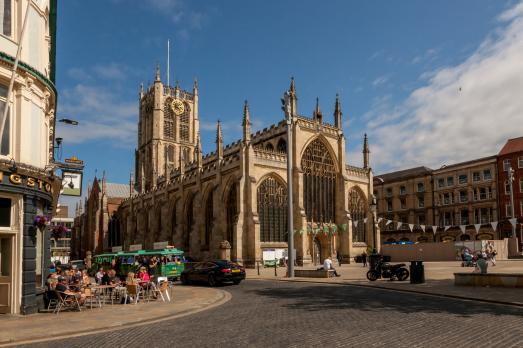
Hull, GB
At over 700 years old, Hull Minster is as old as Hull itself. Since the 13th Century we have been a constant presence in the city centre and some say the history of the city is literally written in our walls.
Leidschendam, NL
Reconstruction church with tower. Hospital chapel. Schakenbosch, Psychiatric Institution. Robert-Fleury Foundation until 2005. From 2005 Rivierduinen. After more than fifty years of service as a church hall with the associated church services, the last church service took place on 13 November 2016 at 10:00 in the Hulp en Heilkerk on the Schakenbosch site at Veursestraatweg 185 in Leidschendam.
new
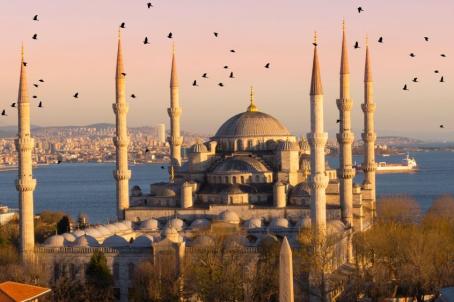
For a long time, Europe was ruled by powerful monarchies. Monarchy and religion have been connected since time immemorial. Here are 7 sites across Europe where royalty historically bent the knee to a higher power and received their crown.
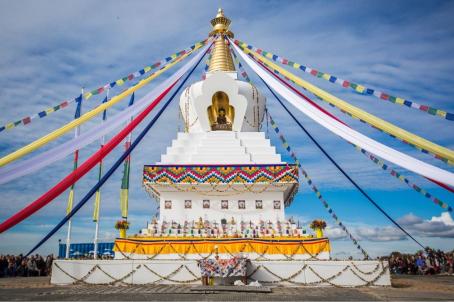
Stupas are symbols of enlightenment and peace that commemorate different stages of Buddha's life. Since the mid-20th century, thousands of stupas have begun to populate Europe. We have compiled some of the most impressive ones in this list.
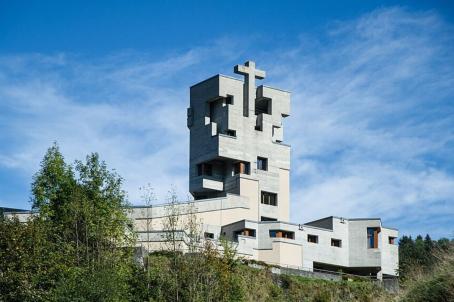
Walter Maria Förderer (1928–2006) was a Swiss architect and sculptor renowned for his neo-expressionist church designs in the 1960s. In this list we have compiled 6 of his church designs that seamlessly integrate religious and secular elements.

How is Religiana helping to conserve and promote Religious Heritage in Europe and why should you get involved?
Find out about Religiana
Are you a tourism organisation or religious heritage sites manager? Discover the advantages of becoming a partner.
See current partners
We can keep you up to date with the latest news from Religiana and religious heritage conservation across Europe.
Sign up to the FRH newsletter