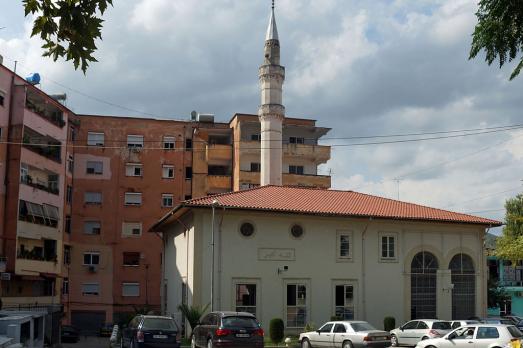
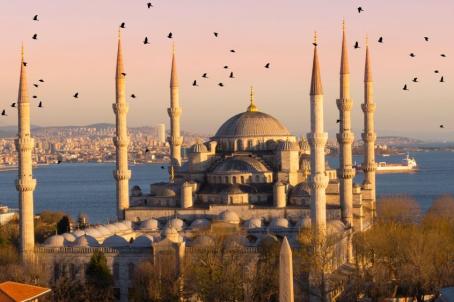
Hysen Pasha Mosque
Berat, AL
It is nicknamed as Clock Mosque because in 1870 the Ottomans built a clock tower next to it. Both were destroyed in the Communist period except for the minaret. After it, the mosque was renovated.

Here you can search for a building to visit. You can use the map find destinations, or you can use the filters to search for a building based upon what different criteria.
Berat, AL
It is nicknamed as Clock Mosque because in 1870 the Ottomans built a clock tower next to it. Both were destroyed in the Communist period except for the minaret. After it, the mosque was renovated.
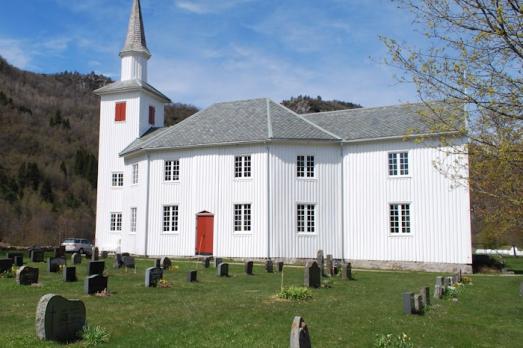
Hægebostad, NO
Hægebostad Church is an octagonal church dating from 1844. The church was built according to the designs of the parish priest, Nils Christian Hald, with the approval and minor remarks of the head of state Christian H. Grosch. A church on the site is first mentioned in 1445. The medieval building was demolished in 1629 and a long wooden church was built in its place. The wood from the 1629 church was reused when the new church was built in 1844.
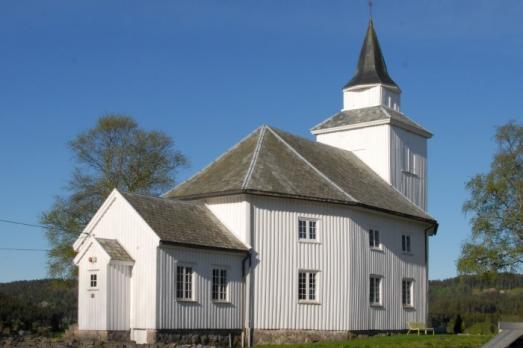
Hægeland, NO
The church in Hægeland is an octagonal church completed in 1830. Work on the walls of the church began around 1824 and at a meeting in 1826, the congregation agreed on an octagonal wooden building. In December 1827 the building committee travelled to Hornnes to examine the new church there, they probably took their inspiration from the church in Hornnes for the church in Hægeland.
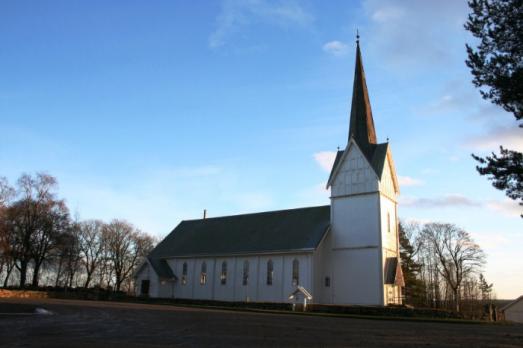
Indre Østfold, NO
Hærland Church was built in 1879 by the builder Ivar Hansen Bruserud to designs by the architect Hjalmar Welhaven. It is a long monumental church, typical of the time, made of logs, with a bell tower above the porch in the west and a five-sided choir in the east. The exterior of the church is clad in white painted standing cladding.
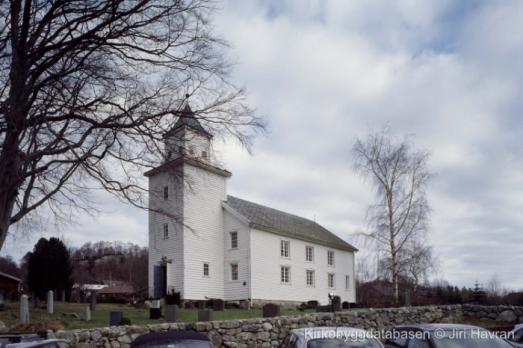
Sandnes, NO
The Høle church, in Sandnes, is a wooden church dating from 1860. Its architect is G.T.Bull.
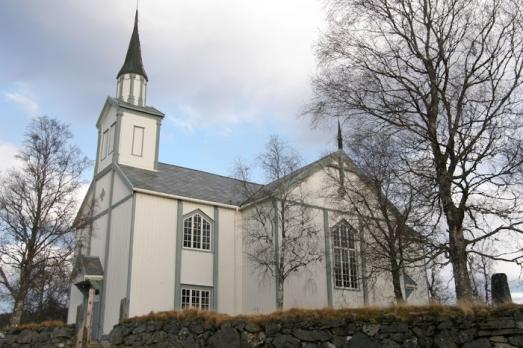
Melhus, NO
Hølonda Church is a wooden church in the so-called 'cruciform style' built in 1848 by architect Christian Heinrich Grosch.
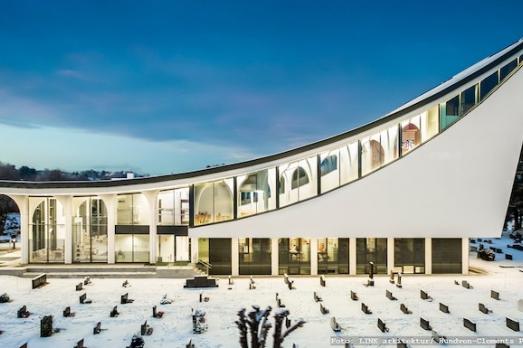
Ringerike, NO
Hønefoss new church is a modern church that stands on the site where an earlier church, designed by Christian Heinrich Grosch and consecrated in 186, burned down on 26 January 2010. The construction of the new church was entrusted to the architectural firm LINK architecture.
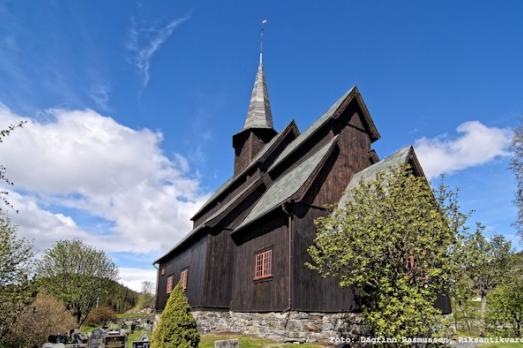
Ryfoss, NO
Høre church is a wooden church, first built in 1179. In the 19th century, the church was considerably rebuilt and given a new choir and an enlarged nave. The original construction of the nave, dating from the 12th century, has been preserved as a skeleton within the cladding. The moat structures of the nave show the original size of the church hall.
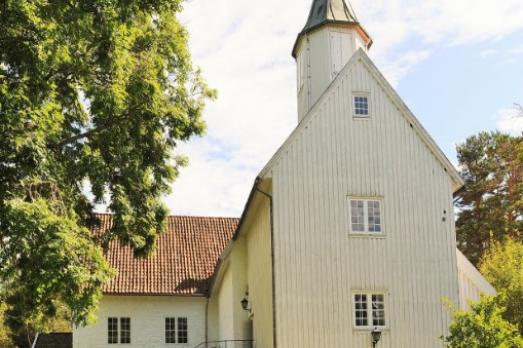
Lillesand, NO
Høvåg Church is a medieval church dating from 1150. The congregation bought the church from King Frederick IV (1671-1730) in 1723, when he experienced financial difficulties after the Great Nordic War. Work on the extension, maintenance and renovation of the church then began. The west wing was built in 1768, the north wing, which is the present main entrance, was built in 1828. The tower was built in 1831.
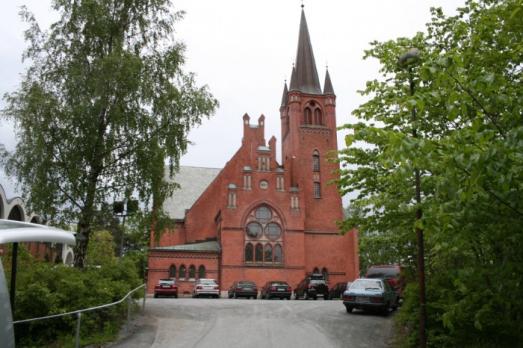
Bærum, NO
Høvik Church is a cruciform church built between 1895 and 1898 and designed by the architect Henrik Nissen. The church is made of unpainted red brick, with some black glazed brick detailing and lime plastered surfaces. The church is built in the English Gothic Revival style.
new
For a long time, Europe was ruled by powerful monarchies. Monarchy and religion have been connected since time immemorial. Here are 7 sites across Europe where royalty historically bent the knee to a higher power and received their crown.
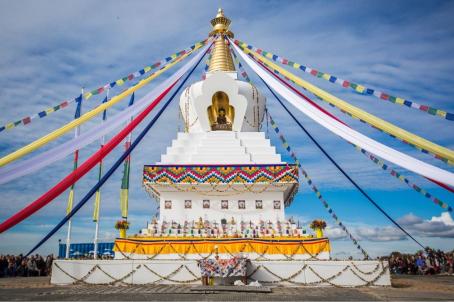
Stupas are symbols of enlightenment and peace that commemorate different stages of Buddha's life. Since the mid-20th century, thousands of stupas have begun to populate Europe. We have compiled some of the most impressive ones in this list.
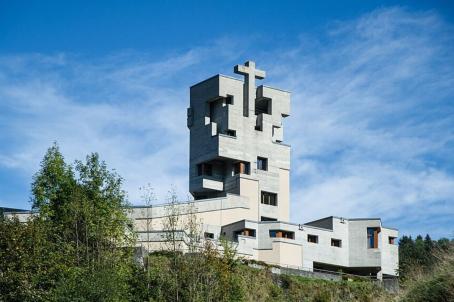
Walter Maria Förderer (1928–2006) was a Swiss architect and sculptor renowned for his neo-expressionist church designs in the 1960s. In this list we have compiled 6 of his church designs that seamlessly integrate religious and secular elements.

How is Religiana helping to conserve and promote Religious Heritage in Europe and why should you get involved?
Find out about Religiana
Are you a tourism organisation or religious heritage sites manager? Discover the advantages of becoming a partner.
See current partners
We can keep you up to date with the latest news from Religiana and religious heritage conservation across Europe.
Sign up to the FRH newsletter