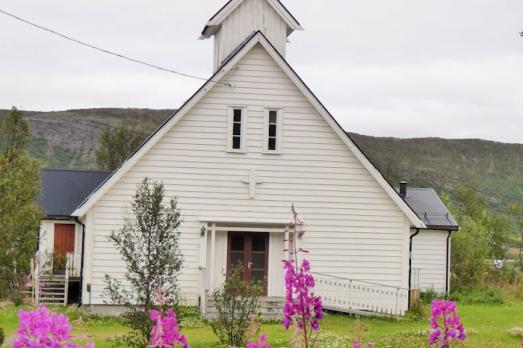
Austertana Church
Deatnu Tana, NO
Austertana church is a wooden church built in 1958. The architects of the church are Trond Dancke and Inge Fred Devo.

Here you can search for a building to visit. You can use the map find destinations, or you can use the filters to search for a building based upon what different criteria.
Deatnu Tana, NO
Austertana church is a wooden church built in 1958. The architects of the church are Trond Dancke and Inge Fred Devo.
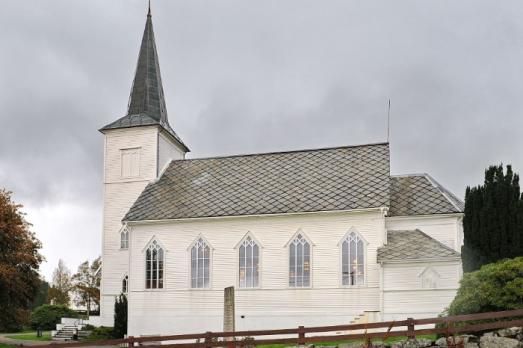
Austevoll, NO
Austevoll has had a church since the Middle Ages. A stave church used to stand on Sandtorv, and another wooden church replaced it from 1635. The present church was designed by Hans Heinrich Jess and built by the builder Mons Skare in 1890. The inauguration took place on 22 January of the following year.
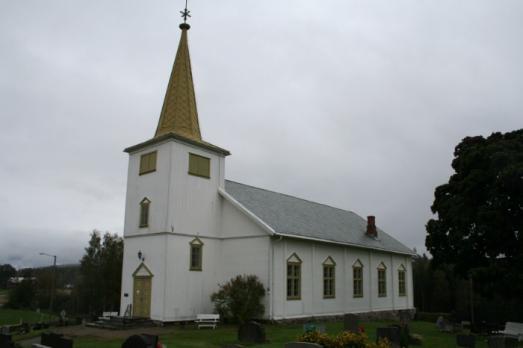
Kongsvinger, NO
Austmarka Church is a wooden church built according to the plans of the carpenter Paul Eduard Bielenberg in 1858. The church has a tower on the west side with a pointed capital and a choir at the right end. The church was clad with exterior panels in the 1880s and the roof was covered with slate after a fire in 1922. The interior is characterized by several changes made in the 1800s and 1900s.
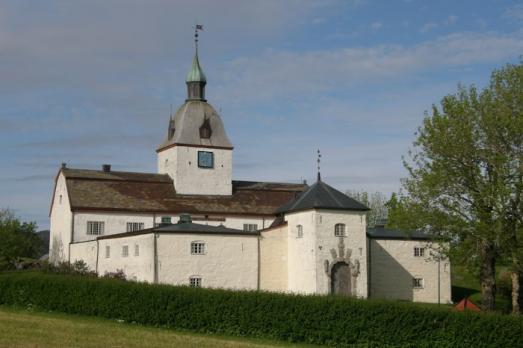
Ørland, NO
Austråt Castle Chapel was built in brick around 1200. Mrs Ingerd Ottesdatter (1475-1555) was one of the most prominent and atypical owners of Austratt. She played an important role in Norwegian history, especially in connection with the introduction of the Reformation. The main building was constructed in her time. The eastern part, the chapel and the tower, date from 1150-1220 and are therefore much older.
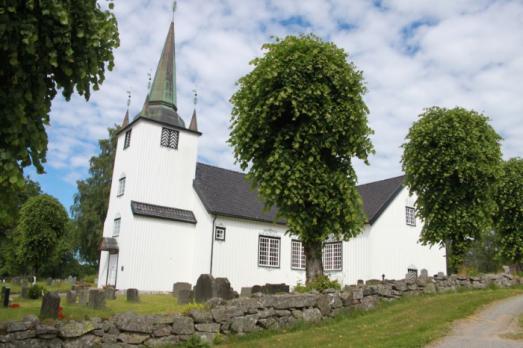
Arendal, NO
The Austre Moland church dates from 1673. It was originally built as a small "long church", but was transformed into a cruciform-shaped church in 1779. The two-part altarpiece, with a richly carved Rococo style wing, was made by Ole Nielsen Wejerholt in 1784.
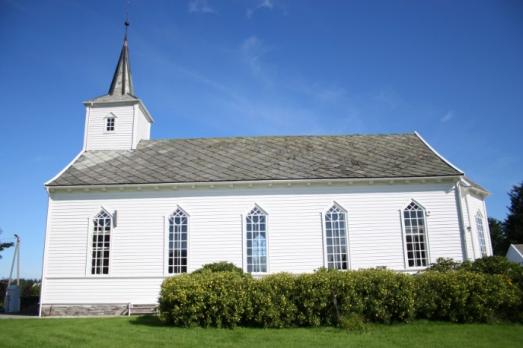
Austrheim, NO
The Austrheim church is a long church dating from 1865. A church has existed here since the Middle Ages, as attested by sources from 1329. The medieval church was most probably a church in Stave church which was replaced by a church mentioned in 1659. The 17th century church was demolished in 1865 as part of the construction of the modern church.
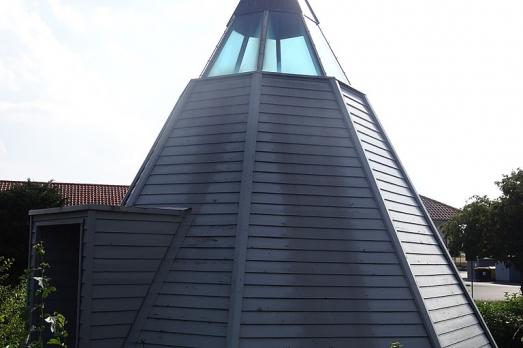
Schwabhausen, DE
The Autohofkapelle Schwabhausen (Autohof "service station") is located on the A 4 Eisenach-Dresden motorway, at the Gotha exit on the SVG-Autohof Thüringer Tor Süd in Schwabhausen. Due to the success of the two Autohof chapels in Schlüchtern and Hessisch Lichtenau, the operator of the Autohof, SVG Hessen eG, decided to build a chapel there as well, which opened in autumn 2003. The SVG Autohof chapels have a uniform architectural design; the tent-like construction is about five metres high and rises on an eight-sided base plane with a diameter of about six metres.
Autun, FR
The church was consecrated by Pope Innocent II in 1107, while only the apse was built. The portal of the Last Judgment was built around 1130-1140, and in the 15th century, the apse was rebuilt and the central bell tower also, in addition, the side chapels of the nave were built. In 1860, the restoration of Viollet-le-Duc began: rebuilding the towers, reinforcing the piles, and replacing some capitals with copies.
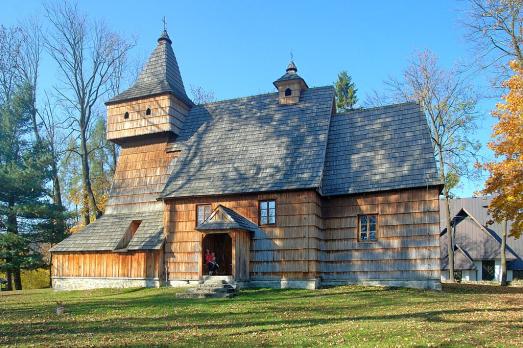
Grywałd, PL
The Auxiliary Church of St Martin is a historic wooden church from the second half of the 15th century.
Karmøy, NO
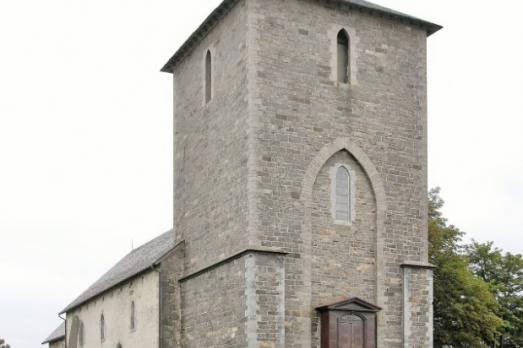
The church of Avaldsnes is a stone church built in the second half of the 13th century. The mounds and monumental stones in the vicinity of the church date from the Roman Iron Age. The church had been in ruins since the 16th century and does not retain any of the medieval furniture. The first major restoration took place in the 1830s, and the church also received a lot of new furniture. The tower is a free reconstruction of the tower that was demolished in 1834, but it has the same base as the original tower.
new
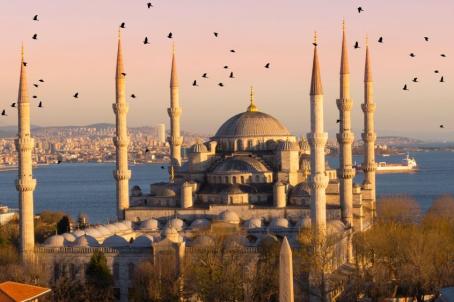
For a long time, Europe was ruled by powerful monarchies. Monarchy and religion have been connected since time immemorial. Here are 7 sites across Europe where royalty historically bent the knee to a higher power and received their crown.
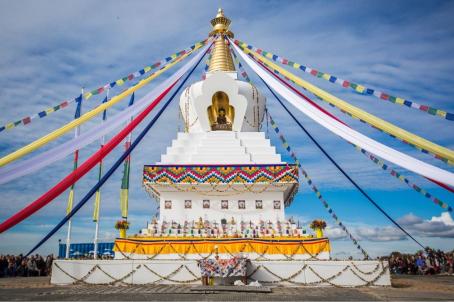
Stupas are symbols of enlightenment and peace that commemorate different stages of Buddha's life. Since the mid-20th century, thousands of stupas have begun to populate Europe. We have compiled some of the most impressive ones in this list.
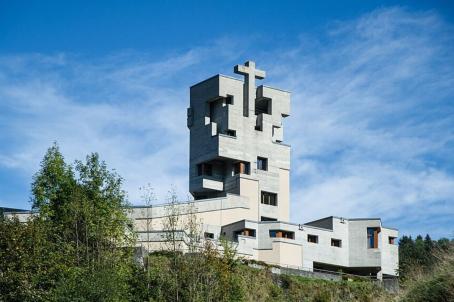
Walter Maria Förderer (1928–2006) was a Swiss architect and sculptor renowned for his neo-expressionist church designs in the 1960s. In this list we have compiled 6 of his church designs that seamlessly integrate religious and secular elements.

How is Religiana helping to conserve and promote Religious Heritage in Europe and why should you get involved?
Find out about Religiana
Are you a tourism organisation or religious heritage sites manager? Discover the advantages of becoming a partner.
See current partners
We can keep you up to date with the latest news from Religiana and religious heritage conservation across Europe.
Sign up to the FRH newsletter