Bergkirchli
Arosa, CH
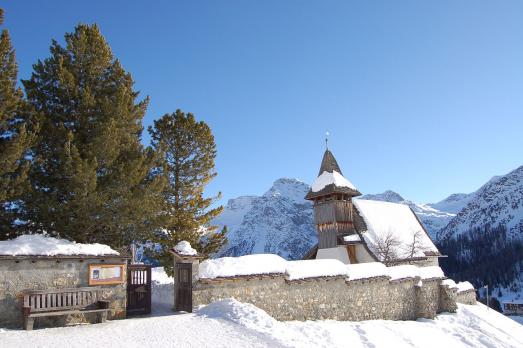
The Bergkirchli was built in the 15th century, at 1900m altitude. In 1974 and 1997, restorations were performed. Today, the church is a concert hall, its religious use is mainly limited to funerals and weddings.
Here you can search for a building to visit. You can use the map find destinations, or you can use the filters to search for a building based upon what different criteria.
Arosa, CH
The Bergkirchli was built in the 15th century, at 1900m altitude. In 1974 and 1997, restorations were performed. Today, the church is a concert hall, its religious use is mainly limited to funerals and weddings.
Dalekvam, NO
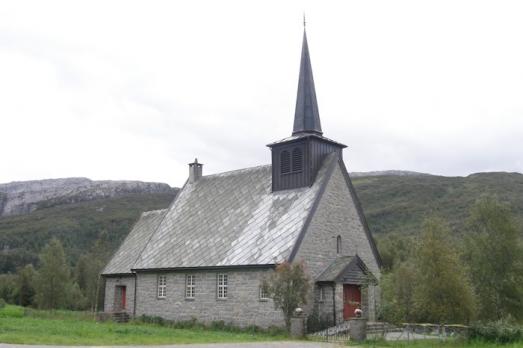
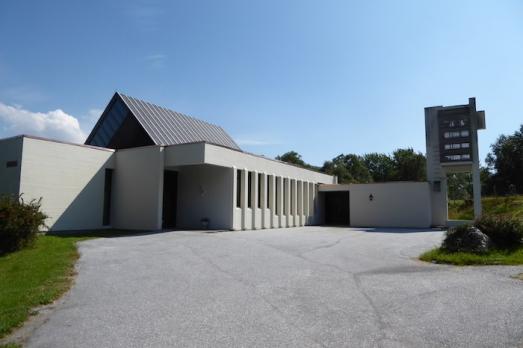
The Bergsdalen church was completed in 1955. The architect of the building was Leiv Tvilde. The furniture dates from the year of construction or a later year and Leiv Tvilde also designed the altar, the baptismal font and the pulpit. The altarpiece, dating from 1968, is a triptych by Ole Gabriel Dahl.
Bergsfjord, NO
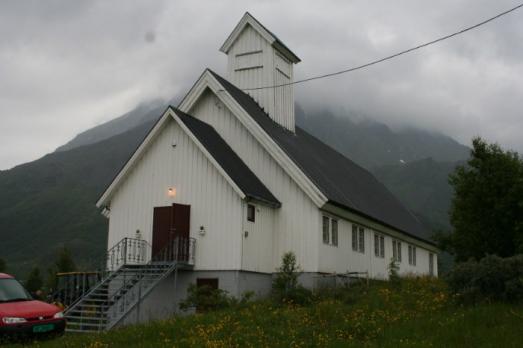
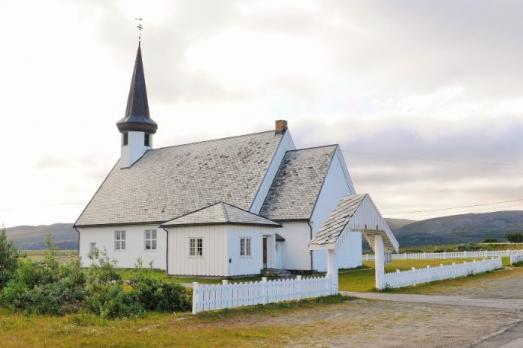
Bergsfjord church, located in the small, isolated village of Bergsfjord, is a wooden built in 1951. The architect of the church is Harald Sunde (T.Øren).
Rotterdam, NL
Large, exceptionally important city church designed by Tjeerd Kuipers. Facade with two towers of different heights. Many interesting details. After threats of closure and demolition, it was restored in the course of 2000. This church is still in use as a "Reformed Church", not as a PKN church. Also in use for cultural activities. After the demolition of the Nieuwe Zuiderkerk in 1969, the Bergsingelkerk is the most monumental Reformed church in Rotterdam. In shared use (was) by the Pakistani Urdu Community.
Rennebu, NO
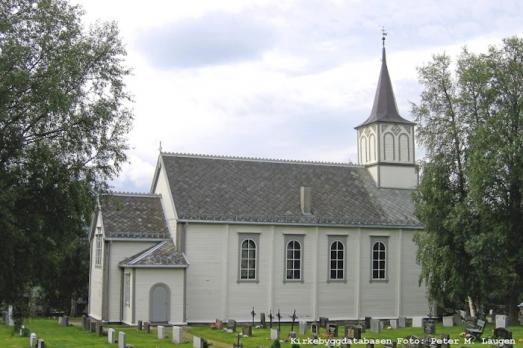
Berkåk church is a wooden church built in 1878. The architect of this neo-Gothic church was Johannes H.Nissen.
Bremanger, NO
The church of Berle, formerly the Berle Chapel, has been a "working church" since 1977. The building, made of concrete and wood, was designed by the architect Alf Apalseth. Since 1999, the church has been a parish church in the parish of Berle.
Berlevåg, NO
Berlevåg church is a long church completed in 1960. The architect for the building was Hans Magnus and the altarpiece was made by Kåre Jonsborg. The church replaces a former church, burned after WWII.
Berlin, DE
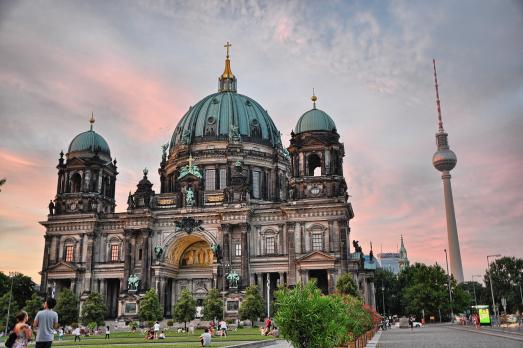
Berlin Cathedral is a protestant church founded in the 16th century. The present building is a third reconstruction in the neo-Renaissance and neo-Baroque styles dating from between 1894 and 1905. Badly damaged during the Second World War, the exterior of the cathedral was simplified during a renovation completed in 1984 and, until 2002, it was rebuilt inside in keeping with the original. The Hohenzollern Crypt, located beneath the cathedral, is one of the most important dynastic tombs in Europe.
Berlin, DE
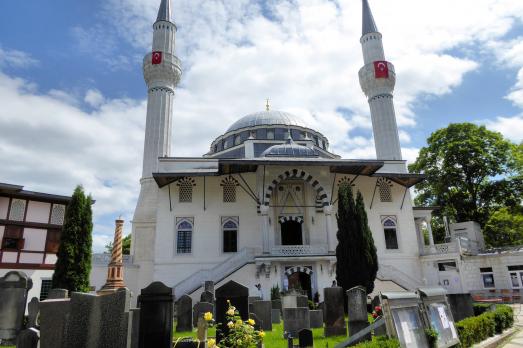
This mosque in Berlin is noted for its attractive architecture, which is based on Ottoman architecture of the 16th and 17th centuries. It is constructed on the grounds of the old Turkish cemetery, Germany's oldest burial ground for adherents of Islam. The mosque itself was built between 1999 and 2005.
Bern, CH
Also known simply as the Bern Cathedral, Bern Minster is the tallest Cathedral in Switzerland. The church was built in the 15th century, however its tower was only completed in 1893. The original church of Bern was a Romanesque style church built in the 12th century, the current church was built in the 15th century as a way to show Bern's significance as a wealthy city-state north of the alps. Some of the important parts of the church include its stained glass windows and its artwork around the main portal known as the Last Judgement. This is one of the most complete late gothic sculpture collecions in Europe.
new
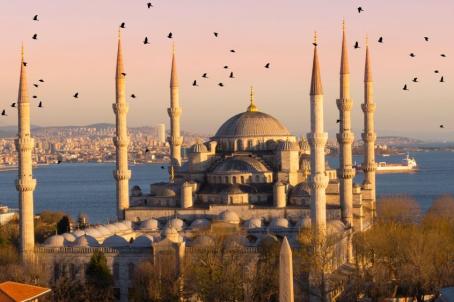
For a long time, Europe was ruled by powerful monarchies. Monarchy and religion have been connected since time immemorial. Here are 7 sites across Europe where royalty historically bent the knee to a higher power and received their crown.
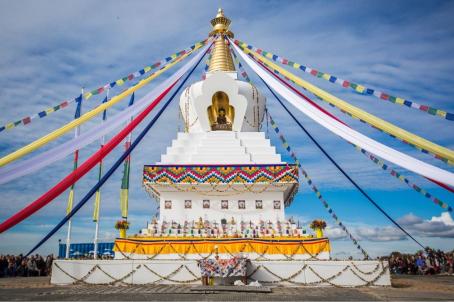
Stupas are symbols of enlightenment and peace that commemorate different stages of Buddha's life. Since the mid-20th century, thousands of stupas have begun to populate Europe. We have compiled some of the most impressive ones in this list.
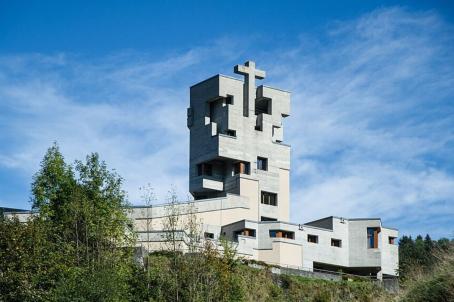
Walter Maria Förderer (1928–2006) was a Swiss architect and sculptor renowned for his neo-expressionist church designs in the 1960s. In this list we have compiled 6 of his church designs that seamlessly integrate religious and secular elements.