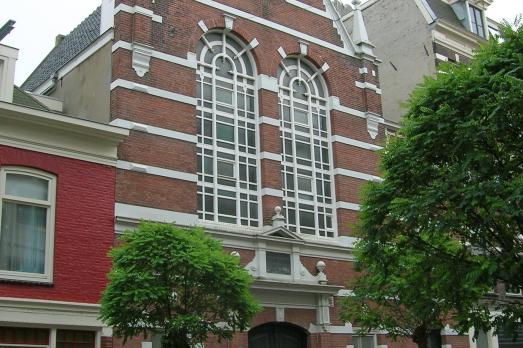
Synagogue at Gerard Doustraat
Amsterdam, NL
The Synagogue at Gerard Doustraat in Amsterdam is an Ashkenazi synagogue built in 1891-92 by architect E.M. Rood. This brick building still serves as a synagogue.

Here you can search for a building to visit. You can use the map find destinations, or you can use the filters to search for a building based upon what different criteria.
Amsterdam, NL
The Synagogue at Gerard Doustraat in Amsterdam is an Ashkenazi synagogue built in 1891-92 by architect E.M. Rood. This brick building still serves as a synagogue.
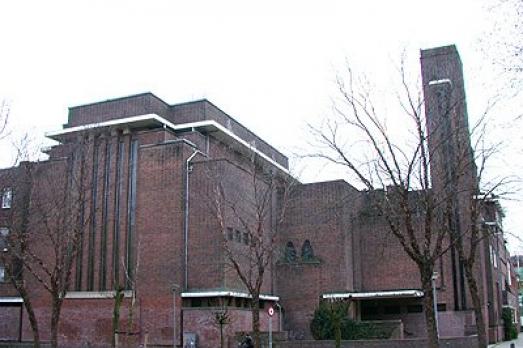
Amsterdam, NL
The Synagogue at Jacob Obrechtplein in Amsterdam is an Ashkenazi synagogue built in 1927-28 by architect H. Elte Phzn. This brick building still serves as a synagogue.
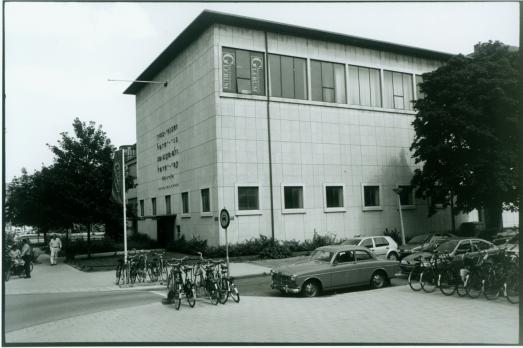
Amsterdam, NL
The Synagogue at Lekstraat in Amsterdam is an Ashkenazi synagogue built in 1936-37 by architect A. Elzas. This brick building still serves as a synagogue.
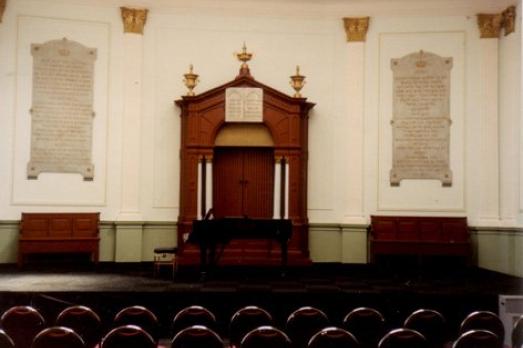
's-Hertogenbosch (Den Bosch), NL
The Synagogue in 's-Hertogenbosch is an Ashkenazi synagogue completed in 1823. The synagogue was rebuilt in 1938 and 1996. This brick building now serves as a theatre.
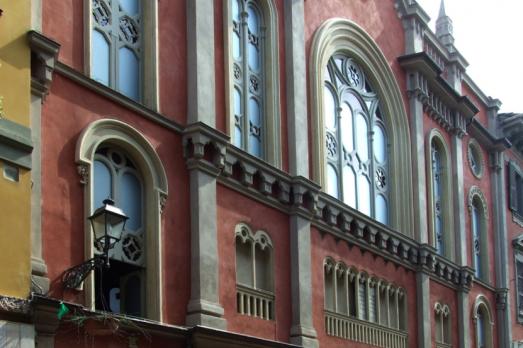
Alessandria, IT
The Synagogue in Alessandria was completed in 1870 by architect Giovanni Roveda. This brick building in the Neo-Gothic style still serves as a synagogue.
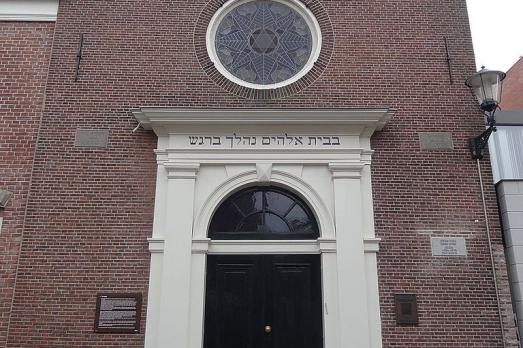
Alkmaar, NL
In 1808, a private house was redeveloped as a synagogue. The building was expanded and the current front façade with its neoclassical entrance, which looked very similar to the synagogue in Enkhuizen, was added After a subsequent expansion in 1844, the interior was changed according to the plans of the architect W.D. du Croix. On both sides of the entrance an inscription can be found with the date (5)586 and (5)604 according to the Hebrew calendar which respectively corresponds with 1826 and 1844. The front entrance originally contained other Hebrew inscriptions referring to Haggai 2:9 and Psalm 55:15. A renovation of the building took place in 1932 by the architect A. Eczas and functioned as a synagogue until 1942. Ten years later, the building was sold to the Baptist community and was therefore subsequently used as a church.
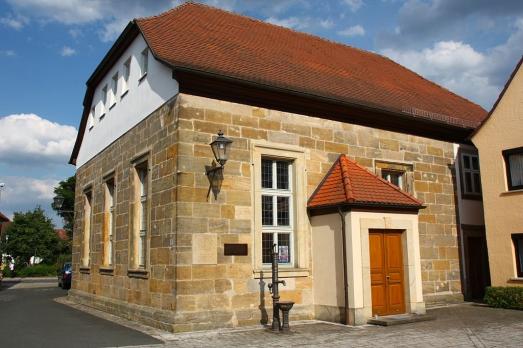
Altenkunstadt, DE
The Synagogue in Altenkunstadt was completed in 1726, restored between 1989 and 1993. In use until 1938, this stone synagogue still serves as a museum.
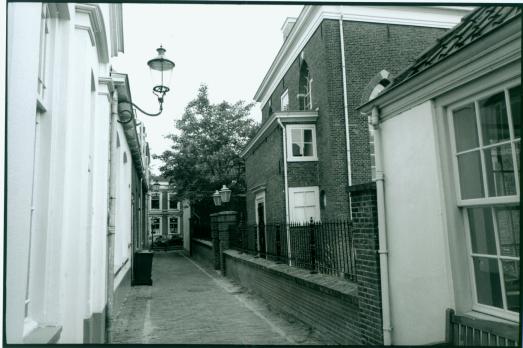
Amersfoort, NL
The synagogue of Amersfoort which was dedicated in 1727 was a rectangular shaped building located behind a private home. The original synagogue was used by both the Ashkenazi and Sephardic communities. The plans for the current synagogue were developed by the architect B. Ruitenberg. The design was inspired by the German neoclassical synagogue in Kleef which dates back to 1821. Unlike the rounded arch windows found in the example of Kleef, the synagogue of Amersfoort received pointed lancet windows and a round apse located at the eastern end. The neoclassical Torah ark dates back to 1843 and contains the Hebrew dates (5)487 and (5)611, corresponding to the year 1727 and 1843. The women's gallery is located at the opposite side of the Torah Ark. The synagogue was renovated in 1926/27 by the architect H. Elte Phzn. during which the art deco stained glass windows were installed. After a subsequent renovation by the architect A. Oznowicz the building became once again used as a synagogue in 1949. Oznowicz was also responsible for the design of the furniture including the bimah and railings of the Torah Ark. The architect P. Wassink tried to restore the original color palette during a renovation in 1993/94. After an excavation in 1993 of a nearby house located behind the synagogue, the original mikveh was discovered.
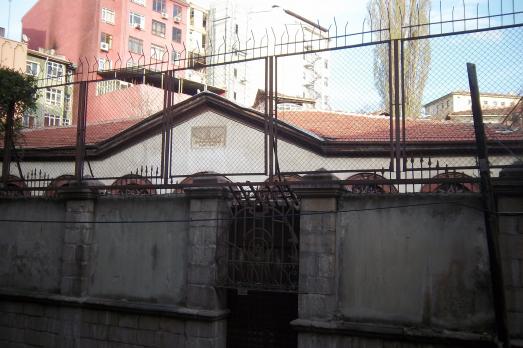
Altındağ/Ankara, TR
The Synagogue in Ankara is a Sephardi synagogue completed in 1834. The synagogue was rebuilt in 1907 and 1997. This stone building still serves as a synagogue.
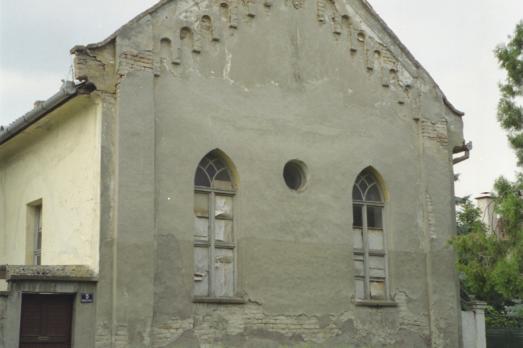
Apatin, RS
The Apatin Synagogue is an Ashkenazi synagogue built in 1885, now abandoned. The synagogue, built in brick, has neo-gothic elements as well as Rundbogenstil elements.
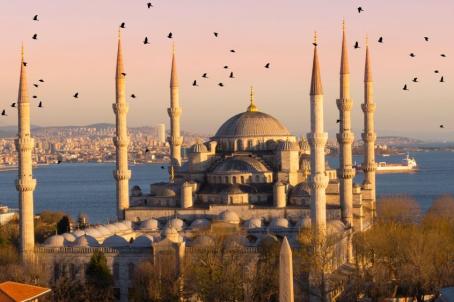
new
For a long time, Europe was ruled by powerful monarchies. Monarchy and religion have been connected since time immemorial. Here are 7 sites across Europe where royalty historically bent the knee to a higher power and received their crown.
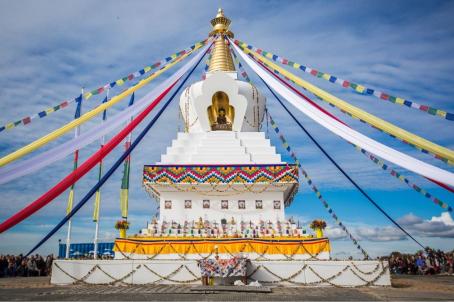
Stupas are symbols of enlightenment and peace that commemorate different stages of Buddha's life. Since the mid-20th century, thousands of stupas have begun to populate Europe. We have compiled some of the most impressive ones in this list.
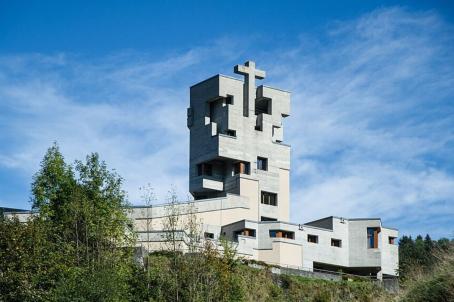
Walter Maria Förderer (1928–2006) was a Swiss architect and sculptor renowned for his neo-expressionist church designs in the 1960s. In this list we have compiled 6 of his church designs that seamlessly integrate religious and secular elements.

How is Religiana helping to conserve and promote Religious Heritage in Europe and why should you get involved?
Find out about Religiana
Are you a tourism organisation or religious heritage sites manager? Discover the advantages of becoming a partner.
See current partners
We can keep you up to date with the latest news from Religiana and religious heritage conservation across Europe.
Sign up to the FRH newsletter