Bremilham Church
Cowage, GB
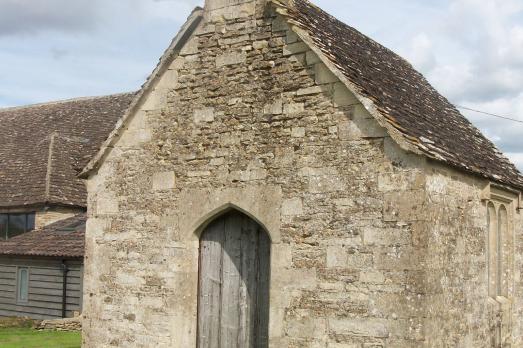
Perched on a small grassy mound, in the middle of a farm yard, on the outskirts of Malmesbury sits the tiniest church 'in service' in Britain.
Here you can search for a building to visit. You can use the map find destinations, or you can use the filters to search for a building based upon what different criteria.
Cowage, GB
Perched on a small grassy mound, in the middle of a farm yard, on the outskirts of Malmesbury sits the tiniest church 'in service' in Britain.
Bømlo, NO
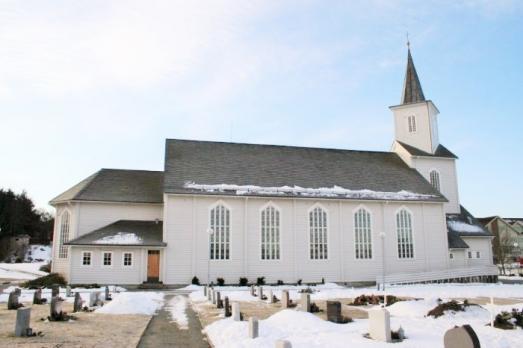
The Bremnes church was inaugurated in 1869 and was designed by the architect Nordan. In the Middle Ages there was a church in Stave church on Bremnes, but it was demolished in 1689, when a new wooden church, called Gåsland church, was built. This church was later replaced by the new church, built of planks, with an outer panel. The choir is half-timbered.
Averøy, NO
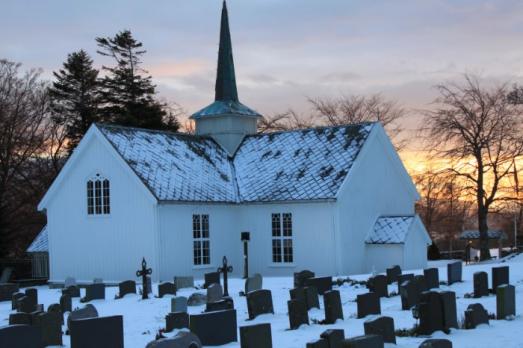
The church in Bremsnes is a wooden church with a cross plan, built in 1771. It replaces an old stave church which burnt down in 1768 or 1769.
Porsgrunn, NO
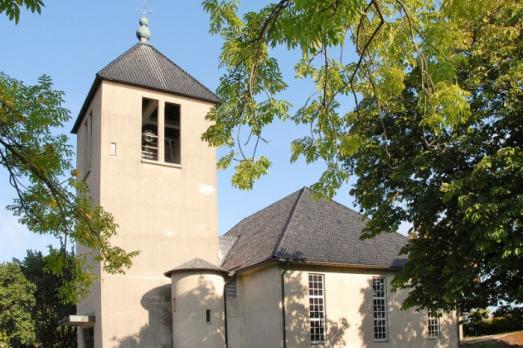
The Brevik church was built in reinforced concrete in 1963. A previous church occupied this site but burned down in 1960.
Praha, CZ
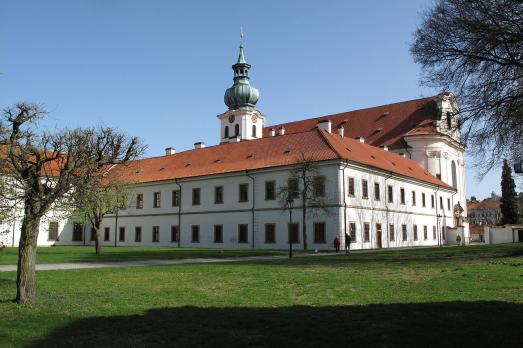
The monastery of Břevnov is the second oldest monastic complex in Bohemia after the St. George's Women's Monastery located in Prague Castle. This Benedictine abbey was founded in 993 by Prince Boleslav II of Bohemia and St. Adalbert of Prague. At the beginning of the 14th century, the abbey was rebuilt. In 1420, during the crusades against the Hussites, the abbey was sacked by the Taborites and the surviving monks went into exile to the daughter abbey of Broumov. It was not until the 16th century that the monastery of Břevnov was reinvested.
Briceni, MK
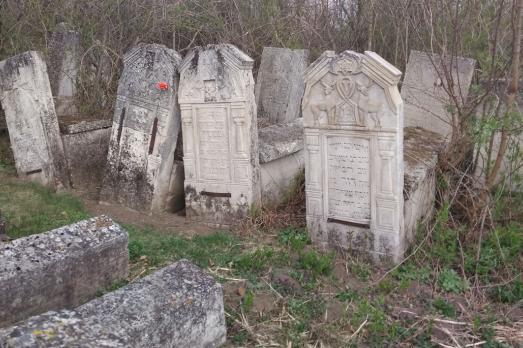
According to epigraphic data, the cemetery already existed by the end of the 18th century. It can be found marked on maps of the region from 1875 and the 1910s. The cemetery is still in use and was restored in 2014 by Yefim Kogan of JewishGen.
Briceva, MK
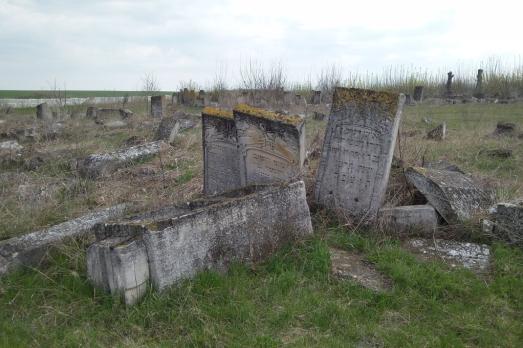
The Bricheva Jewish Cemetery was most likely founded in the 19th century. According to epigraphic data, the cemetery already existed in 1840, and it can be found marked on maps of the region from 1879 and 1911. The cemetery was still in use after WWII, with the most recent preserved gravestone dating to 1958.
London , GB
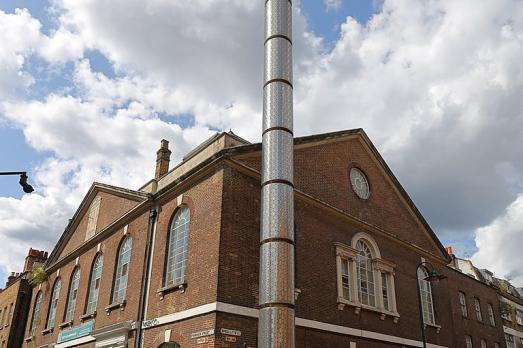
Brick Lane Mosque is an Islamic place of worship in Central London. The building that houses the mosque had previously housed a church and a synagogue.
Orebro, SE
The parish has been here since 1983 when the premises were completed. But at the start in 1935 and until 1983, the church premises were on Trudgardsgatan in central Orebro, and then the name was Sionforsamlingen
Rochester, GB
The bridge chapel at Rochester was built by Sir John de Cobham, who lived at nearby Cooling Castle. Described as newly constructed in January 1393, the chapel was located on the eastern approach to the medieval stone bridge, formerly called Chapel Lane or Bridge Lane, but today known as the Esplanade.
new
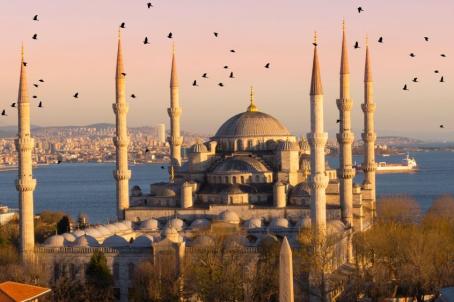
For a long time, Europe was ruled by powerful monarchies. Monarchy and religion have been connected since time immemorial. Here are 7 sites across Europe where royalty historically bent the knee to a higher power and received their crown.
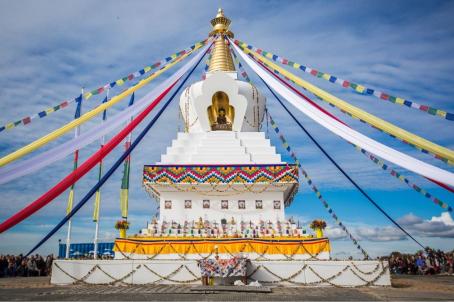
Stupas are symbols of enlightenment and peace that commemorate different stages of Buddha's life. Since the mid-20th century, thousands of stupas have begun to populate Europe. We have compiled some of the most impressive ones in this list.
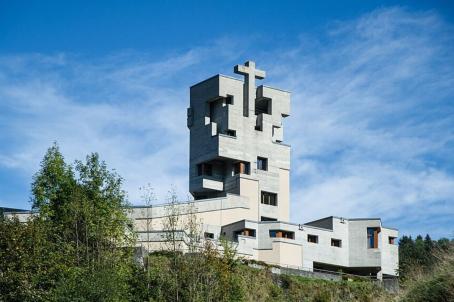
Walter Maria Förderer (1928–2006) was a Swiss architect and sculptor renowned for his neo-expressionist church designs in the 1960s. In this list we have compiled 6 of his church designs that seamlessly integrate religious and secular elements.