Apostolisch Genootschap
Amsterdam, NL
Simple, rectangular hall church without tower, in functionalist style. Renovation and conversion in 1998.

Here you can search for a building to visit. You can use the map find destinations, or you can use the filters to search for a building based upon what different criteria.
Amsterdam, NL
Simple, rectangular hall church without tower, in functionalist style. Renovation and conversion in 1998.
Amsterdam, NL
The history of the Apostolic Community Amsterdam-Watergraafsmeer began on November 23, 1913. On that date, a building on the Plantage Franschelaan was festively opened. This was built to accommodate the growing number of members of the Restored Apostolic Missionary Community in the Unity of the Apostles.
Heerenveen, NL
Apostolic church, built in 1968.
Rotterdam, NL
Modern church without a tower in the eastern district of Kralingen.
Maassluis, NL
In use in 1971. Renovated in 1990 (Immerzeel). Out of use in 2011. The church community of Vlaardingen merged with that of Schiedam, in Schiedam.
IJmuiden, NL
Modern and architecturally interesting church building, without tower. Built to replace an earlier church building of the Apostolic Society elsewhere in IJmuiden.
Heerlen, NL
Church building without a tower.
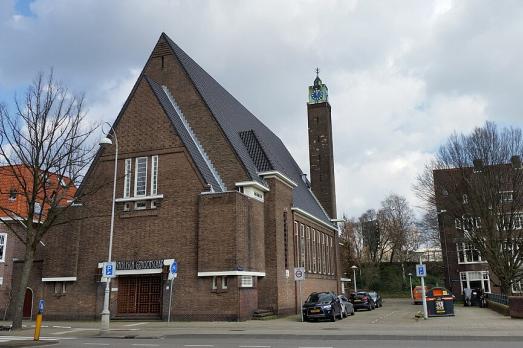
Amsterdam, NL
Around 1934, a church building of the Restored Apostolic Missionary Church (HAZEA) was built here, which was taken over in 1951 by the Apostolic Society, which separated from this church . The Apostolic Society prefers to refer to the church as a meeting place. In 1921, the HAZEA acquired a community in Amsterdam-Noord, which wanted its own place to hold meetings. The church commissioned architect Cornelis Kruyswijk .
Purmerend, NL
Built to replace an earlier church building elsewhere in Purmerend.
Breda, NL
Modern church without tower. Severely damaged by lightning on 5 June 1982. Restored and back in use on 19 December 1982.
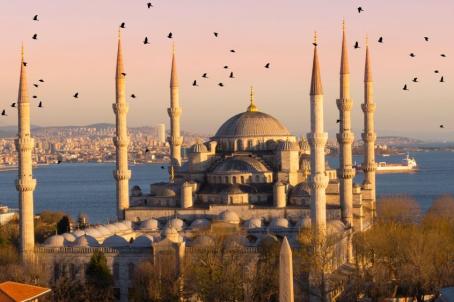
new
For a long time, Europe was ruled by powerful monarchies. Monarchy and religion have been connected since time immemorial. Here are 7 sites across Europe where royalty historically bent the knee to a higher power and received their crown.
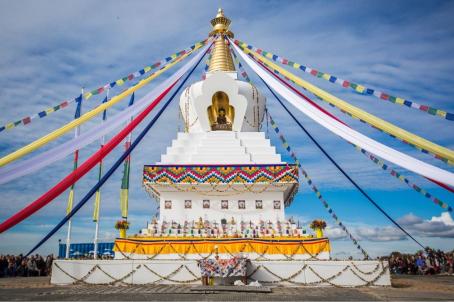
Stupas are symbols of enlightenment and peace that commemorate different stages of Buddha's life. Since the mid-20th century, thousands of stupas have begun to populate Europe. We have compiled some of the most impressive ones in this list.
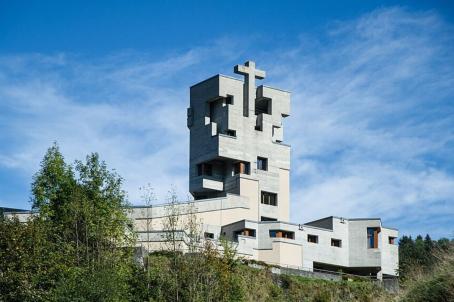
Walter Maria Förderer (1928–2006) was a Swiss architect and sculptor renowned for his neo-expressionist church designs in the 1960s. In this list we have compiled 6 of his church designs that seamlessly integrate religious and secular elements.

How is Religiana helping to conserve and promote Religious Heritage in Europe and why should you get involved?
Find out about Religiana
Are you a tourism organisation or religious heritage sites manager? Discover the advantages of becoming a partner.
See current partners
We can keep you up to date with the latest news from Religiana and religious heritage conservation across Europe.
Sign up to the FRH newsletter