Pinksterkerk
Enter, NL
The church replaced the smaller church from 1851 on Dorpsstraat.

Here you can search for a building to visit. You can use the map find destinations, or you can use the filters to search for a building based upon what different criteria.
Enter, NL
The church replaced the smaller church from 1851 on Dorpsstraat.
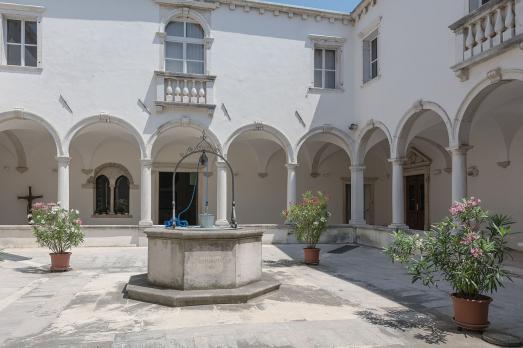
Piran, SI
The minority monastery of Piran has existed since the 14th century when the first church was built on top of the hill in 1301. From 1954 to 1990, the complex was nationalized. The church took over the monastery in 1996, after the denationalization. The cloister is preceded by a half-arched portal decorated with richly carved columns, bearing an architrave with an inscription and coat of arms.
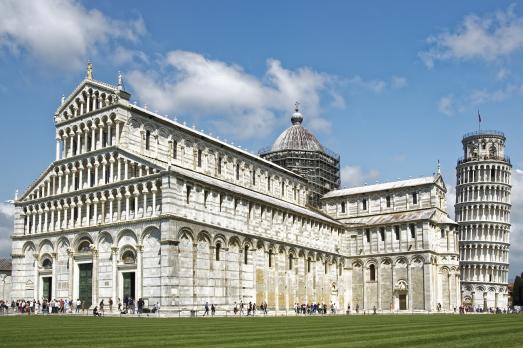
Pisa, IT
The Cathedral of Santa Maria Assunta is a Pisan Romanesque church built in the eleventh century, at the time of the apogee of the Republic of Pisa. The building is listed as a UNESCO World Heritage Site since 1987 as part of the architectural ensemble of Piazza dei Miracoli.
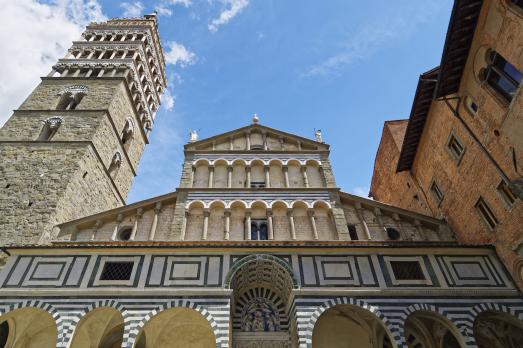
Pistoia, IT
The cathedral of Pistoia was built from the 10th century onwards, its façade is in Romanesque style, inspired by the other churches in the city (San Bartolomeo and San Jacopo). The interior consists of a nave and two aisles, with a presbytery and a crypt. A restoration, undertaken between 1952 and 1999, has restored the dome to its original appearance.
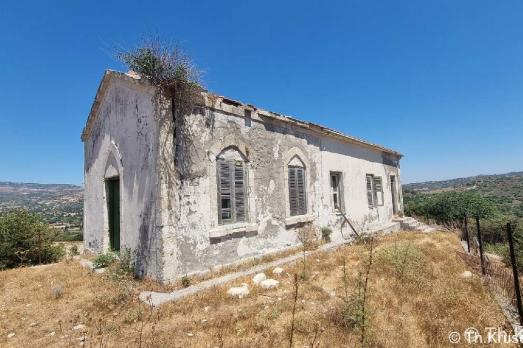
Pitargou, CY
Based on the available sources, there were two mosques in the village. According to the cadastral map, the old mosque was located directly in the village centre. The building that is still visible today, which was a combination of a mosque and a school, was built on the southern edge of the village on the ridge.
Lippenhuizen, NL
Reformed Church on a raised enclosed churchyard. Simple church building from 1743 with semi-circular closed windows in lisene-shaped recesses. In the church a 17th century pulpit pit with stairs, rear bulkhead and sounding board, a lord's pew with coats of arms, three copper crowns. Iron baptismal font stand. Single manual organ, made in 1859 by L. van Dam and Sons. Mechanical tower clock. (Source RCE)
Pitigliano, IT
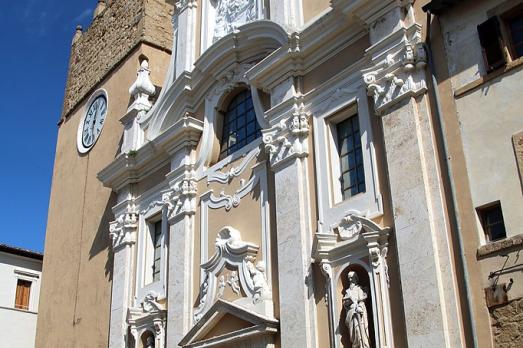
The Cathedral of Pitigliano was first mentioned in 1276 as the parish church of San Pietro. It became a collegiate church and was dedicated to Saints Peter and Paul. It was renovated several times, including in 1509 by Niccolò III Orsini, Count of Pitigliano, and during the 18th century. When the Bishop of Sovana came to settle permanently in Pitigliano, the former collegiate church became a cathedral in 1845.
Alphen aan den Rijn, NL
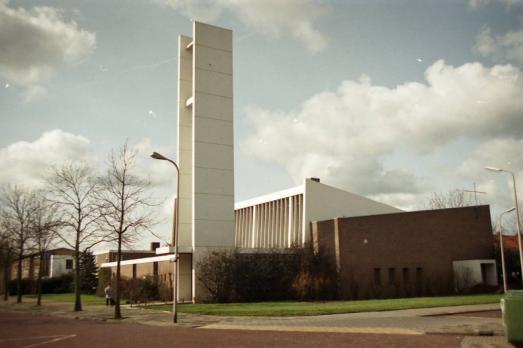
Interesting modern church. Foundation stone 28 March 1964; consecration 26 May 1965. In 1998, the important Vierdag organ ao. 1966, originating from the (in 1996 decommissioned) Roman Catholic Votive Church of Christ the King in Amsterdam-Watergraafsmeer, was placed in this church. The interior was renovated in 2001, including a new ceiling and a paint job. In 2002, several modern stained glass windows were placed, thanks to a donation.
Plužine, ME
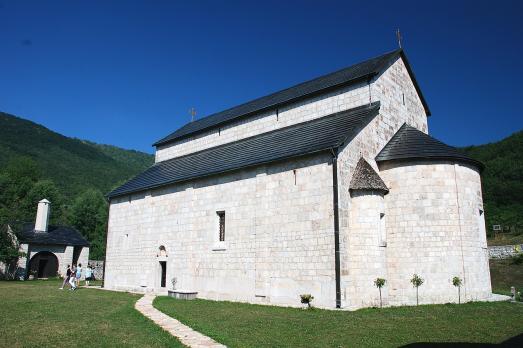
The Piva Monastery is a Serbian Orthodox monastery built from 1573 to 1586 under Ottoman rule. To prevent the monastery from being flooded by the dam of the Piva Reservoir, it was moved stone by stone to its present location from 1970 to 1982.
Nendaz, CH
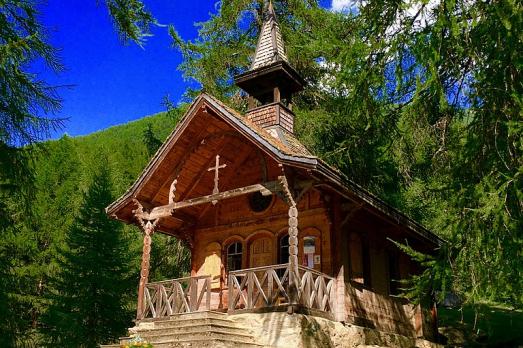
The chapel of Planchouet was built by the inhabitants in 1930-31. The work began with the felling of the trees necessary for the construction. The foundations posed problems because the rock had to be exploited. Inside the chapel are the statues of the Virgin Mary, Saint Anthony, Saint Maurice and Saint Nicolas.
new
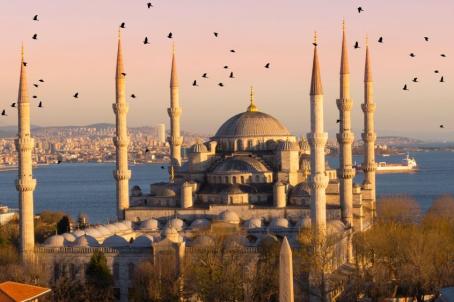
For a long time, Europe was ruled by powerful monarchies. Monarchy and religion have been connected since time immemorial. Here are 7 sites across Europe where royalty historically bent the knee to a higher power and received their crown.
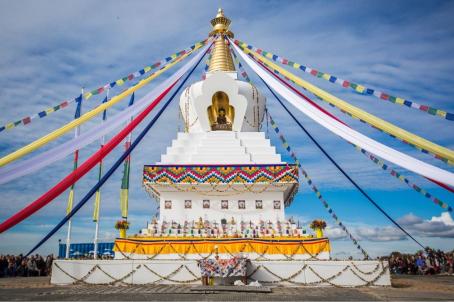
Stupas are symbols of enlightenment and peace that commemorate different stages of Buddha's life. Since the mid-20th century, thousands of stupas have begun to populate Europe. We have compiled some of the most impressive ones in this list.
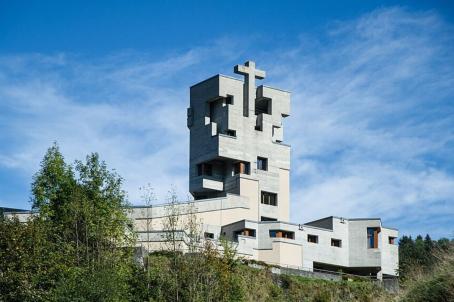
Walter Maria Förderer (1928–2006) was a Swiss architect and sculptor renowned for his neo-expressionist church designs in the 1960s. In this list we have compiled 6 of his church designs that seamlessly integrate religious and secular elements.

How is Religiana helping to conserve and promote Religious Heritage in Europe and why should you get involved?
Find out about Religiana
Are you a tourism organisation or religious heritage sites manager? Discover the advantages of becoming a partner.
See current partners
We can keep you up to date with the latest news from Religiana and religious heritage conservation across Europe.
Sign up to the FRH newsletter