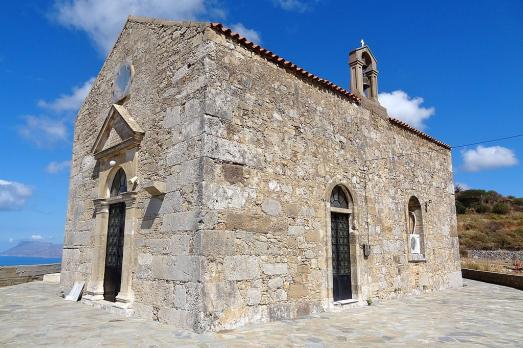
Polyrrhenia Church
Kissamos, GR
The church of Agioi Pateres (the Holy Fathers) is a place of worship in the historic Roman settlement of Polyrrhenia. The church was built in 1894 on the ruins of the Temple of Diktynna Artemis and its acropolis.

Here you can search for a building to visit. You can use the map find destinations, or you can use the filters to search for a building based upon what different criteria.
Kissamos, GR
The church of Agioi Pateres (the Holy Fathers) is a place of worship in the historic Roman settlement of Polyrrhenia. The church was built in 1894 on the ruins of the Temple of Diktynna Artemis and its acropolis.
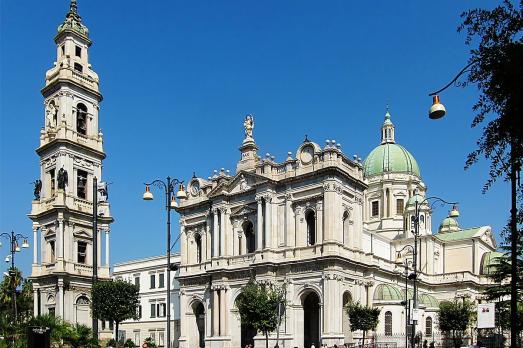
Pompei, IT
The Cathedral of Pompeii, or Sanctuary of Our Lady of the Rosary of Pompeii, was founded from 1876 to 1891. The building was named Pontifical Basilica. In addition to being a pilgrimage destination, the sanctuary attracts many tourists. Every year more than four million people visit the shrine, which is therefore among the most visited in Italy.
Marssum, NL
The St. Pontianus Church is a 12th-century church building in Marssum.
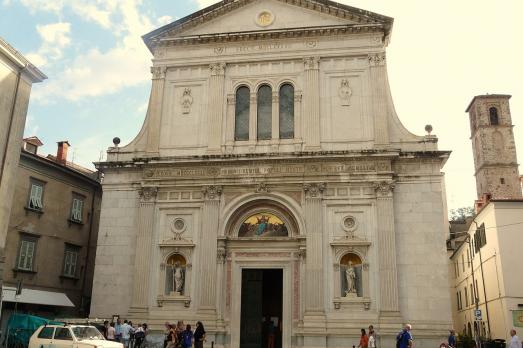
Pontremoli, IT
The cathedral of Pontremoli was built between 1636 and 1687. Recognised as an eminent collegiate church in 1721 by a bull of Innocent III, consecrated by the Bishop of Brugnato in 1723, the church was finally transformed into a cathedral on 4th July 1787 by a bull of Pius VI, at the time of the creation of the Diocese of Pontremoli.
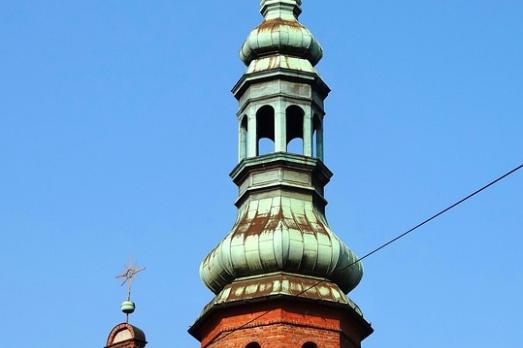
Bydgoszcz, PL
The Poor Clares Church is a brick church completed around 1600 that replaces an old wooden church of the 15th century. From 1618, the church was included in a Franciscan monastery until the 19th century, under the Prussian occupation (1815-1919) leading to the closure of the monastery. The church was returned to the Catholic Church after the First World War.
Kampen, NL
Reconstruction church with roof turret from 1951. Replaced an earlier church building elsewhere in the city centre of Kampen.
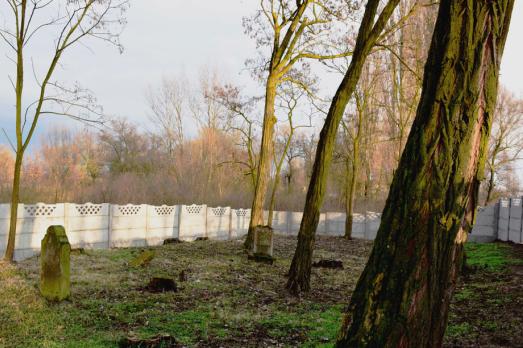
Popovo, UA
The period of the cemetery’s establishment is unknown. Presumably, the cemetery was established in the 19th century. First, it appears on a cadastral map of 1865. According to epigraphic data, the cemetery was used in the second half of the 20th century. A fence was installed by ESJF in November 2015.
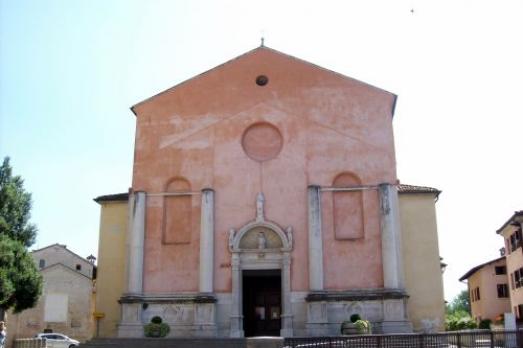
Pordenone, IT
St Mark's Cathedral was built from the second half of the 13th century in Romanesque-Gothic style on the remains of an earlier construction. The most faithful part to the original is the 14th-century apse, the tiburium and the bell tower, completed in 1347 in Romanesque-Gothic forms, although the spire is 17th century. The high Romanesque-Gothic bell tower is of exposed brickwork, with elegant three-mullioned windows and terracotta hanging arches.
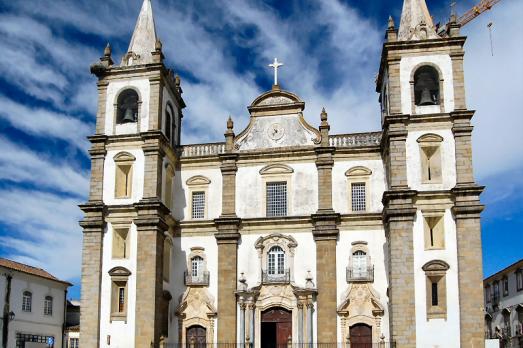
Portalegre, PT
Portalegre Cathedral was built at the request of Bishop Dom Julião de Alva when the Diocese of Portalegre was created. Designed by the architect Afonso Álvares, it was begun in 1556. Its last stone, closing of the vault, was laid in 1575.
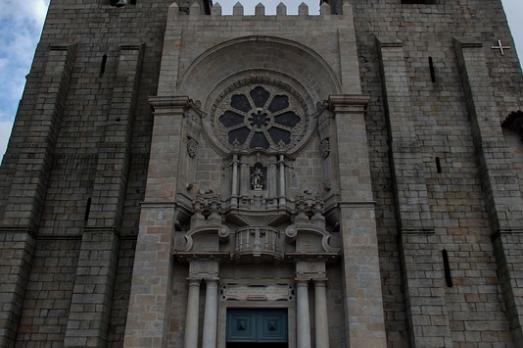
Porto, PT
The beginning of the construction of the Porto Cathedral dates back to the first half of the twelfth century and continued until the beginning of the thirteenth century. This first Romanesque building has undergone many changes over the centuries; especially during the Gothic period (fourteenth century) during the construction of the cloister.
new
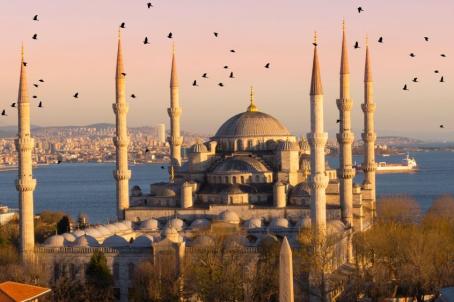
For a long time, Europe was ruled by powerful monarchies. Monarchy and religion have been connected since time immemorial. Here are 7 sites across Europe where royalty historically bent the knee to a higher power and received their crown.
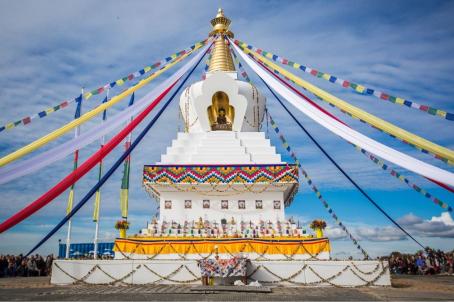
Stupas are symbols of enlightenment and peace that commemorate different stages of Buddha's life. Since the mid-20th century, thousands of stupas have begun to populate Europe. We have compiled some of the most impressive ones in this list.
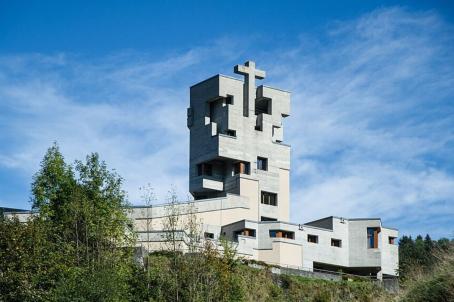
Walter Maria Förderer (1928–2006) was a Swiss architect and sculptor renowned for his neo-expressionist church designs in the 1960s. In this list we have compiled 6 of his church designs that seamlessly integrate religious and secular elements.

How is Religiana helping to conserve and promote Religious Heritage in Europe and why should you get involved?
Find out about Religiana
Are you a tourism organisation or religious heritage sites manager? Discover the advantages of becoming a partner.
See current partners
We can keep you up to date with the latest news from Religiana and religious heritage conservation across Europe.
Sign up to the FRH newsletter