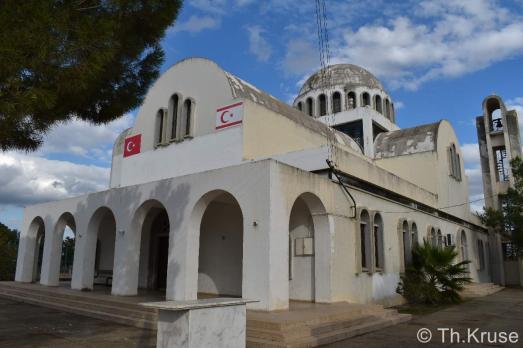
Prastio (Morphou) Agios Stylianou Church
Prastio (Morphou), CY
The church is located on the south-eastern edge of the village and was built in 1973.

Here you can search for a building to visit. You can use the map find destinations, or you can use the filters to search for a building based upon what different criteria.
Prastio (Morphou), CY
The church is located on the south-eastern edge of the village and was built in 1973.
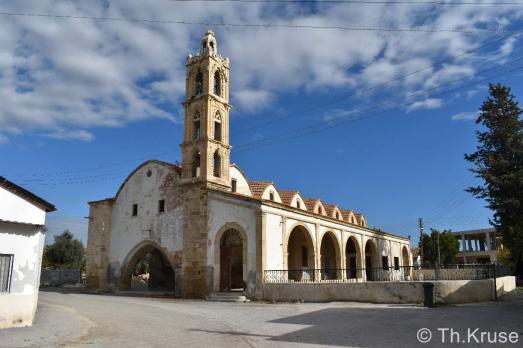
Prastio, CY
The parish church of Prastio is dedicated to Agios Georgios and was built in 1873. It is located in the centre of the original settlement core. The church was converted into a mosque after 1974 and used until a new mosque was completed in the village (around the beginning of the 2000s). After that, the building was abandoned and left to its own devices.
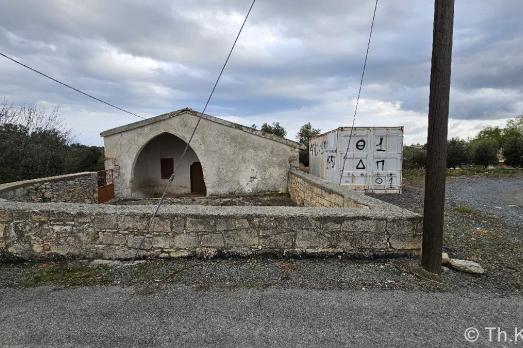
Prastio, CY
The mosque of Prastio is located in the eastern part of the old village centre. This building is a new construction of a previous mosque that was built on the same site in Ottoman times. According to Bağişkan, the current mosque was built in 1906. Little is known about the mosque's further history. In 2004, repair work was carried out on behalf of the Republic of Cyprus.
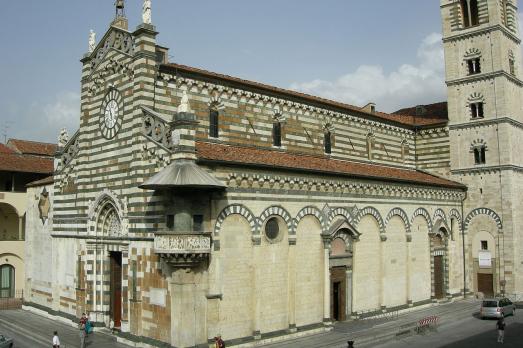
Prato, IT
The Cathedral of Prato is one of the oldest churches in Prato, already mentioned in the 10th century. The sides and the bell tower (with the exception of the last cell built in 1356) come from the original 18th-century structure. During the Trecento the building was enlarged following the growing popular success of the relic of Santa Cintola. The buildings in front of the façade were demolished to create the new and very large square designed to receive the crowds for the ostentation of the sacred relic.
Spisska Nova Ves, SK
it is more than likely that the Orthodox Church had its parishes in Spisska Nova Ves as well as in most other Spis villages since the time of the mission of the holy brothers Cyril and Methodius until about the thirteenth century
Jihlava, CZ
The interior was gradually renovated after 1990. There are new icons on the iconostasis (the work of Jana Baudisova); as well as the main icons in the altar, the icon of the presov. The Virgin in life before the iconostasis (see the picture on the right here), icons displayed for worship on annals and the Crucifixion icon. In the 1990s, believers adapted the house of a former laundromat, where they built a circular tank as a baptistery for the baptism of adults by full immersion. Around the year 2000, the faithful archondarics were set up for the meeting (here we can sit together after the service, catechesis of catechumens and teaching of religion for children take place here, and parish meetings and various discussions take place here). After 2010, the church interior was renovated (cared for by Br. Anatoly and Br. Yuri), stasidia were installed and a sound system was provided, thanks to which even those believers who cannot fit into the church or are with children in the archondaric can listen to the service. In 2018, large panel icons of Czech saints were installed in boxes decorated with carvings in the Byzantine style (the work of Andrej Vavra). (You can partially see the transformation of the interior of the house temple here.)
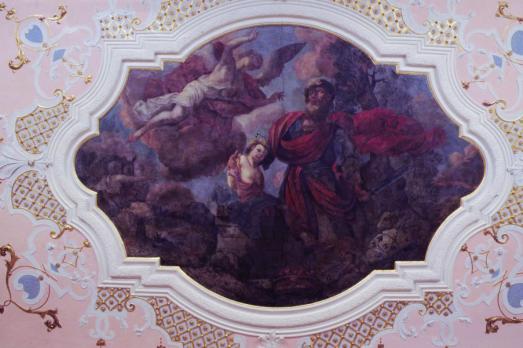
Ellingen, DE
The Prayer hall in Ellingen is Ashkenazi synagogue completed in 1724. The syangogue has been made of brick.
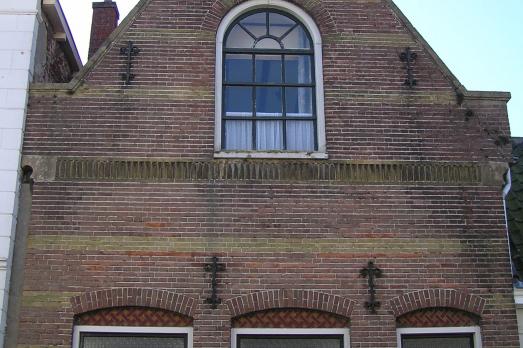
Zierikzee, NL
The Prayer room at van Oss in Zierikzee is an Ashkenazi synagogue first built in 1825, refurbished in 1888. In use until 1920, this brick building now serves as a dwelling.
Erfurt, DE
Protestant church originally built in the 13th century as a monastic church by Dominican Order.
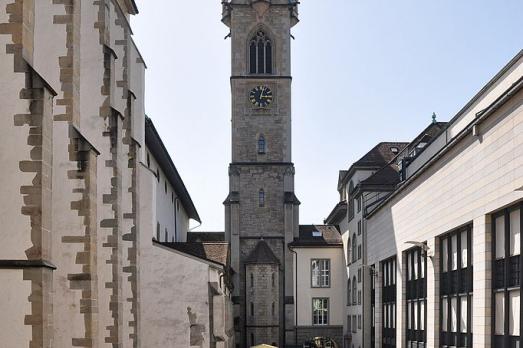
Zürich, CH
The Predigerkirche was a church founded, together with a convent, in Zurich by the Dominicans in the 13th century. With the Protestant Reformation, it was transformed into a Protestant place of worship. From 1606 to 1614, the nave was fitted with Baroque elements. In 1887, the monastery building was destroyed by fire and the Zentralbibliothek was built in its place in 1915. In 1900, the church was endowed with the highest tower in the city, measuring 97 metres, designed by G. Gull and clearly inspired by the collapsed Grossmünster Towers.
new
For a long time, Europe was ruled by powerful monarchies. Monarchy and religion have been connected since time immemorial. Here are 7 sites across Europe where royalty historically bent the knee to a higher power and received their crown.
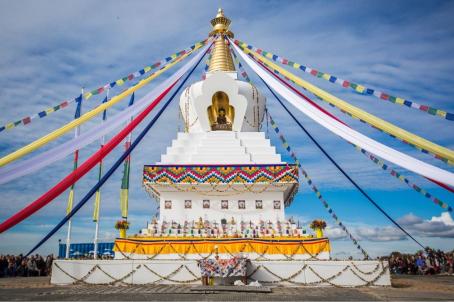
Stupas are symbols of enlightenment and peace that commemorate different stages of Buddha's life. Since the mid-20th century, thousands of stupas have begun to populate Europe. We have compiled some of the most impressive ones in this list.
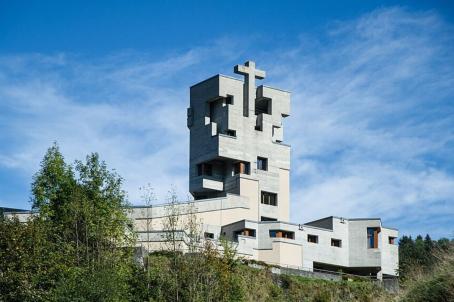
Walter Maria Förderer (1928–2006) was a Swiss architect and sculptor renowned for his neo-expressionist church designs in the 1960s. In this list we have compiled 6 of his church designs that seamlessly integrate religious and secular elements.

How is Religiana helping to conserve and promote Religious Heritage in Europe and why should you get involved?
Find out about Religiana
Are you a tourism organisation or religious heritage sites manager? Discover the advantages of becoming a partner.
See current partners
We can keep you up to date with the latest news from Religiana and religious heritage conservation across Europe.
Sign up to the FRH newsletter