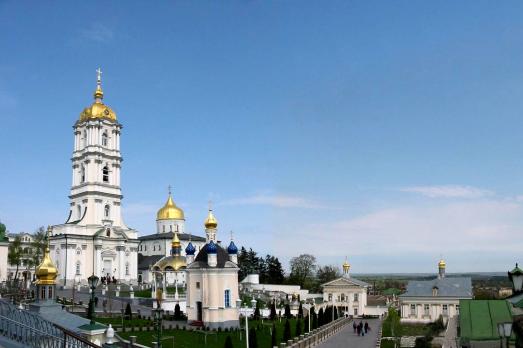
Pochayiv Lavra
Pochayev, UA
Pochayiv Lavra is an Orthodox monastery of the sixteenth century located in the city of Pochaiv. It is the second largest Orthodox after the Lavra of Kiev-Pechersk, Ukraine.

Here you can search for a building to visit. You can use the map find destinations, or you can use the filters to search for a building based upon what different criteria.
Pochayev, UA
Pochayiv Lavra is an Orthodox monastery of the sixteenth century located in the city of Pochaiv. It is the second largest Orthodox after the Lavra of Kiev-Pechersk, Ukraine.
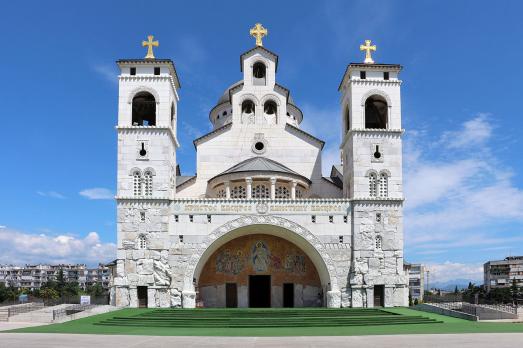
Podgorica, ME
The Cathedral of Christ's Resurrection was built between 1993 and 2013. The cathedral was designed by the Serbian architect Predrag Ristic and combines elements of many styles characteristic of Montenegrin churches. For example, the towers of the cathedral are designed after the towers of St. Triphon's Cathedral in Kotor. Above the entrance to the temple is a 59.9 m² mosaic. It was made by Professor Lazic and students of the Belgrade Academy of Fine Arts.
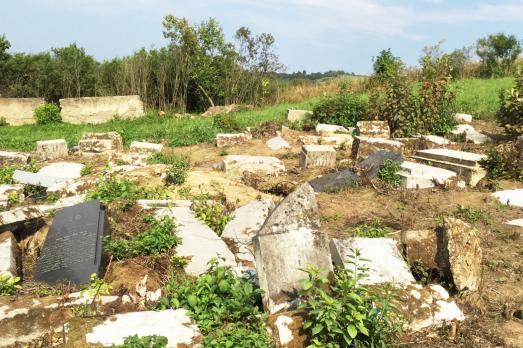
Podolinec, SK
This is a fenced and well-maintained Jewish cemetery. Most of the matzohs were destroyed or dumped. One of the graves has been excavated. The site is not far from a Roma settlement. Given the oldest preserved tombstone dates to 1904, it can be assumed the cemetery was already in use by the early 20th century.
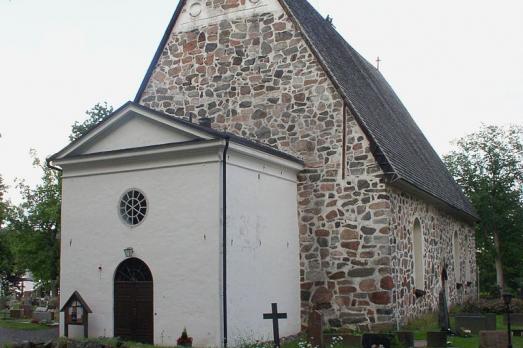
Raasepori, FI
The church of Pohja was built between 1460 and 1480. The church contains wooden carvings from the 13th century, its stone walls are from the 15th century, its pews from the 18th century, its organ from the 20th century and the new altar is from the 21st century.
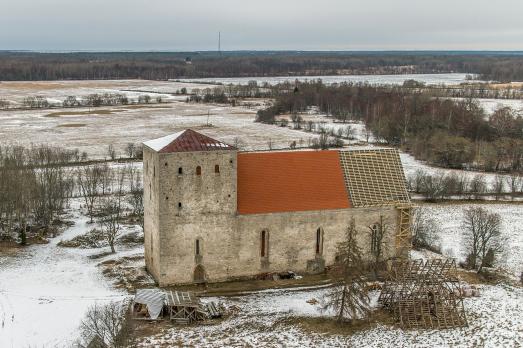
Pöide, EE
Pöide Maarja Church is a fortified church probably completed in the 1230s. Only the lower part of the sidewalls of the two central vaults of the present church has survived. At the end of the 13th or early 14th century, the original church was extended by a vault in both directions. The imposing western tower of the church probably also dates from before the St. George's night uprising (1343-1345). After the conservation work in the Muhu church in 1958, roofing and conservation work was also undertaken in the Pöide church. The works were completed in 1961.
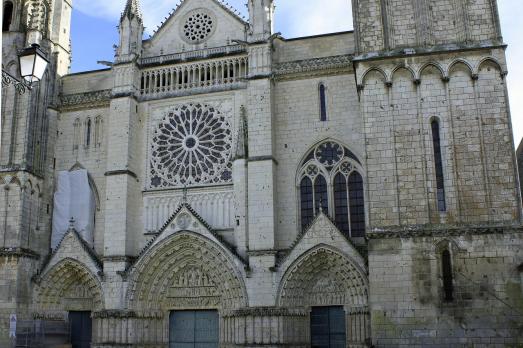
Poitiers, FR
The Saint-Pierre Cathedral of Poitiers was built around 1160 on a first building of the eleventh century. This Gothic church was not completed before 1379. Transformed into "temple of reason" during the French Revolution, it was returned to worship in 1795.
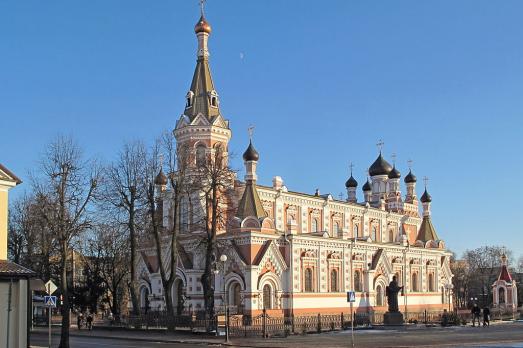
Grodno, BY
Pokrovsky Cathedral was built in brick in 1904-1905 according to the design of the architect Mikhail Mikhailovich Prozorov (1860-1914). The cathedral was built in memory of soldiers who died during the Russian-Japanese war. Its size and style make it very similar to the Daugavpils Cathedral of Saints Boris and Gleb, the largest Orthodox cathedral in Latvia.
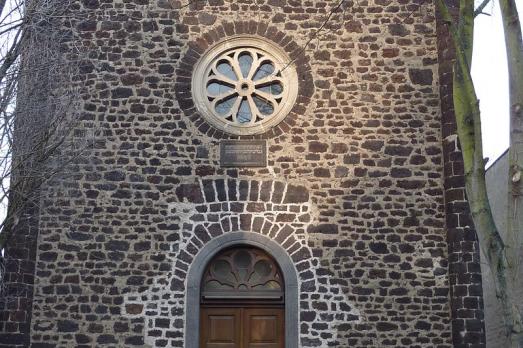
Polch, DE
Polch's synagogue was built in 1876-77, probably according to the plans of Hermann Nebel. During the pogrom of November 1938, the synagogue was burnt down by men of the SA of Mayen. Although the fire was quickly extinguished, the women's gallery in particular was destroyed. On January 17, 1940, the Jewish community had to sell the synagogue, which used the building as a warehouse.
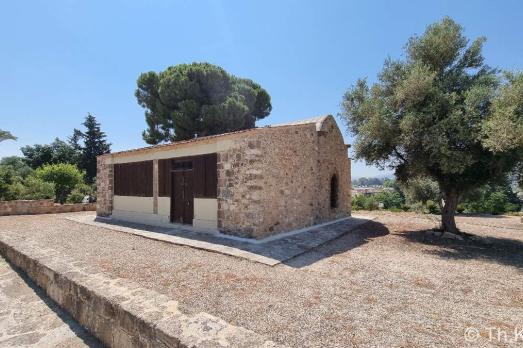
Polis, CY
The mosque is located in the western area of the original village centre. Originally, the building was built in Byzantine times as a church dedicated to Agios Andronikos. In Ottoman times, this was then converted into a mosque. At the beginning of the 20th century, the mosque was extended somewhat to make room for the numerous worshippers who came here from the surrounding area for Friday prayers. A minaret was built on the apse; this no longer exists today.
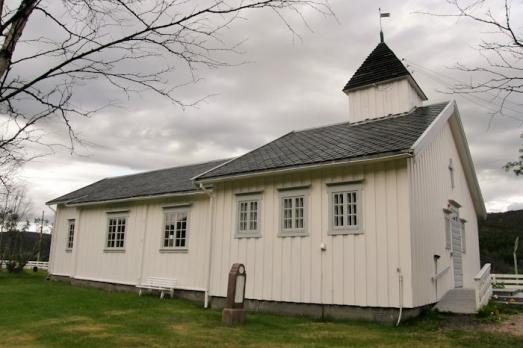
Tana, NO
The Polmak church, which was consecrated in 1853, is a simple small long church with a gable roof. It is built in a rather anonymous wooden architecture, presumably vernacular, with corrective remarks by the architect J. H. Nebelong. The church is relatively well preserved, both inside and out, but in 1950 a new sacristy was built and in 1961 the nave was extensively enlarged.
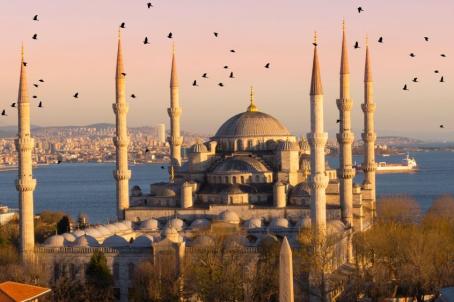
new
For a long time, Europe was ruled by powerful monarchies. Monarchy and religion have been connected since time immemorial. Here are 7 sites across Europe where royalty historically bent the knee to a higher power and received their crown.
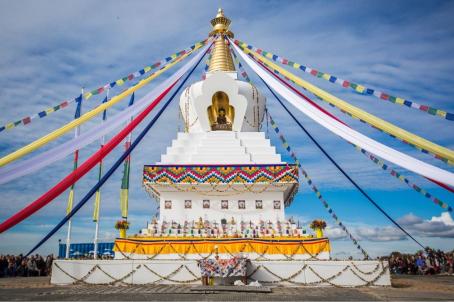
Stupas are symbols of enlightenment and peace that commemorate different stages of Buddha's life. Since the mid-20th century, thousands of stupas have begun to populate Europe. We have compiled some of the most impressive ones in this list.
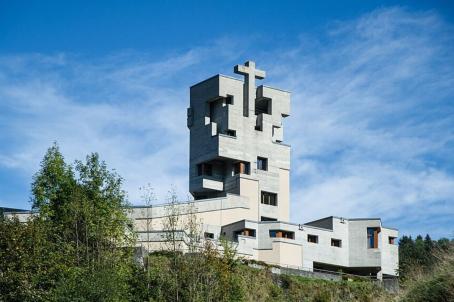
Walter Maria Förderer (1928–2006) was a Swiss architect and sculptor renowned for his neo-expressionist church designs in the 1960s. In this list we have compiled 6 of his church designs that seamlessly integrate religious and secular elements.

How is Religiana helping to conserve and promote Religious Heritage in Europe and why should you get involved?
Find out about Religiana
Are you a tourism organisation or religious heritage sites manager? Discover the advantages of becoming a partner.
See current partners
We can keep you up to date with the latest news from Religiana and religious heritage conservation across Europe.
Sign up to the FRH newsletter