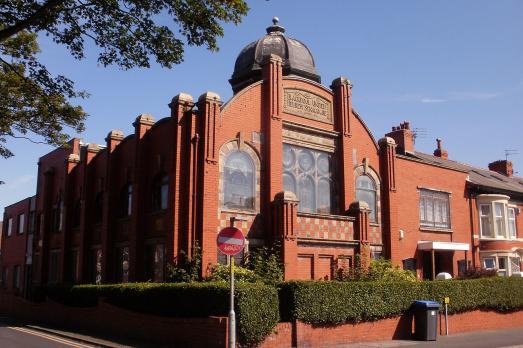
Synagogue in Bohuslav
Bohuslav, UA
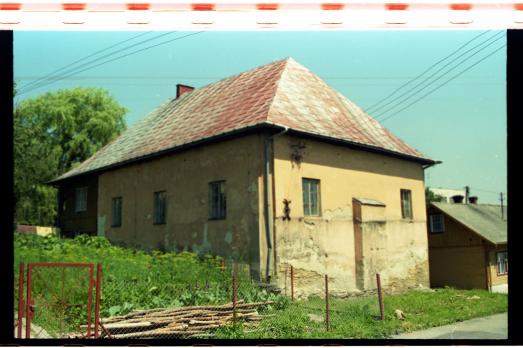
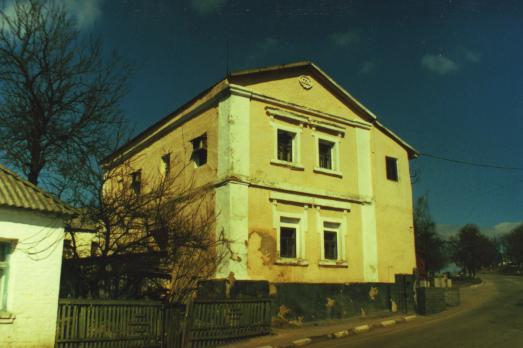
The Synagogue in Bohuslav is an Ashkenazi synagogue from 1726. This Baroque brick building is now a museum.
Here you can search for a building to visit. You can use the map find destinations, or you can use the filters to search for a building based upon what different criteria.
Bohuslav, UA
The Synagogue in Bohuslav is an Ashkenazi synagogue from 1726. This Baroque brick building is now a museum.
Borculo, NL
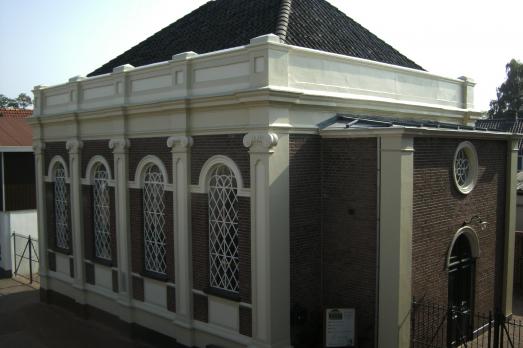
The synagogue replaced a former synagogue 1840 and is designed J. te Velthuis. To the left of the building was a Jewish school. The backyard still contains the mikveh. The long side wall along the street is built in a Neo-Classical style. The side wall is divided by the use of Ionic pilasters into four segments. Each segment is provided with a large rounded arched window. The synagogue is topped with a hipped roof. The main entrance is relatively modest and does not feature elaborate ornamental detail except for the tondo window above the door. The women's gallery is situated at the western end of the interior and supported by small columns. During the Second World War, the interior was set on fire which resulted in the complete loss of the interior furnishings. The building was sold after the war ended. The façade including its plastered ornaments was renovated in 1993. The Stichting Synagoge Borcule supports the idea of restoring the synagogue and mikveh and transforming the building to a cultural center.
Borne, NL
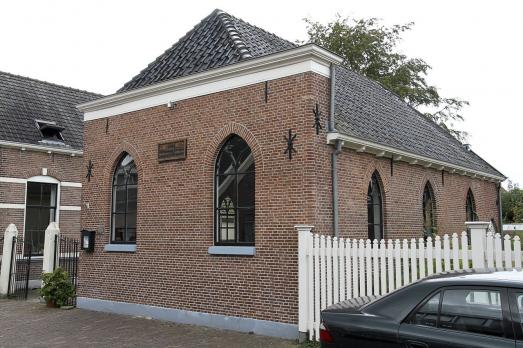
The small synagogue is adorned with pointed arched windows and a cornice running along the façade. A Hebrew inscription can be found in between the windows of the front façade and refers to Numbers 24:5 and includes the date 5603 (1843 CE). The building is owned by the municipality of Borne since the year 1980. A renovation of the building took place in 1985/86 and is currently used for cultural activities.
Boulogne-Billancourt, FR
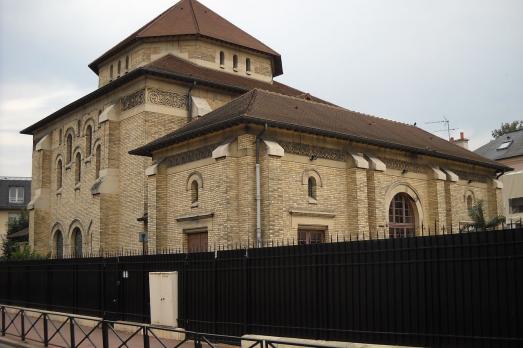
The Synagogue in Boulogne-Billancourt is an Ashkenazi synagogue completed in 1911 by architect Emmanuel Pontrémoli. This Neo-Byzantine stone building still serves as a synagogue.
Bouxwiller, FR
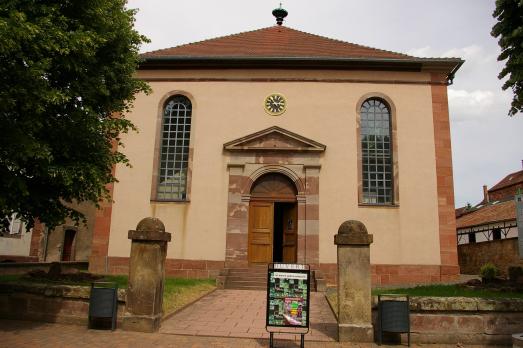
The Synagogue in Bouxwiller is an Ashkenazi synagogue completed in 1843. This Neo-Classical stone building now serves as a museum.
Březnice, CZ
The synagogue at Březnice is an Ashkenazi synagogue completed in 1725. The synagogue was altered and restored in 1821 and again in the 1990s. This baroque brick building was recently reinstated as a synagogue in 2014.
Brezno, SK
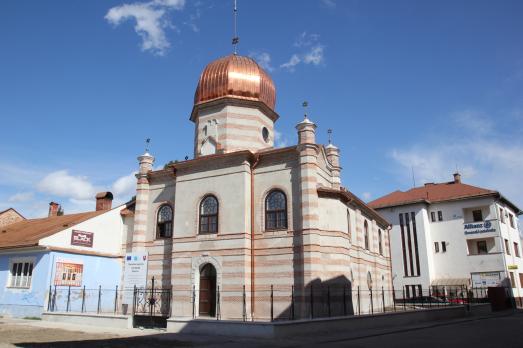
The Synagogue in Brezno is an Ashkenazi synagogue completed in 1902 by architect Alois Payerberger. The synagogue underwent reparations in 1930, 1996 and 2016. In use until 1942, this brick synagogue in the Neo-Moorish style now serves as a cultural centre.
Bristol, GB
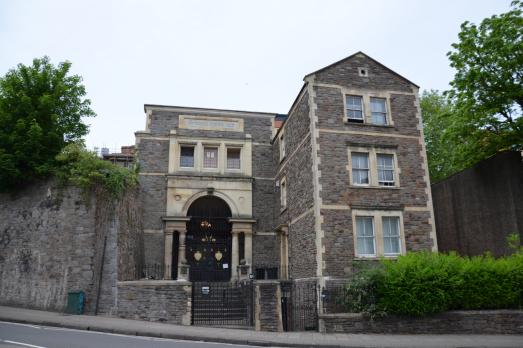
The Synagogue in Bristol is an Ashkenazi synagogue built in 1870-71 by architects Hyman Henry Collins and Samuel Charles Fripp. The synagogue was rebuilt in 1921. This brick building still serves as a synagogue.
Budyně nad Ohří, CZ
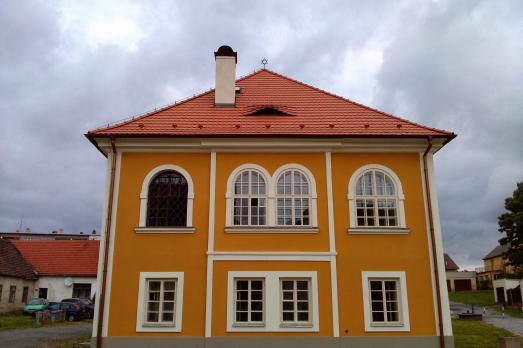
The Synagogue in Budyně nad Ohří is an Ashkenazi synagogue built in the 1st half of the 18th century. The synagogue has been modified and restored between 1815 and 1825. In use until WWII, this Baroque brick building now serves as a storage space.
Buren, NL
The synagogue was situated inside an existing private residence in the year 1804. The façade of the modest and rather inconspicuous building features large pointed arched windows which were added during a renovation in 1864. The synagogue continued to be used until 1890 and was subsequently sold in 1901. The Jewish community of Buren merged with Tiel in circa 1906. The building was renovated in 1968 and currently functions as a meeting and exhibition space.
new
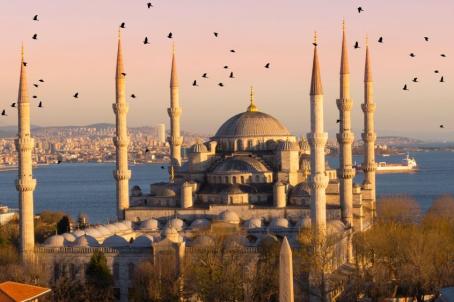
For a long time, Europe was ruled by powerful monarchies. Monarchy and religion have been connected since time immemorial. Here are 7 sites across Europe where royalty historically bent the knee to a higher power and received their crown.
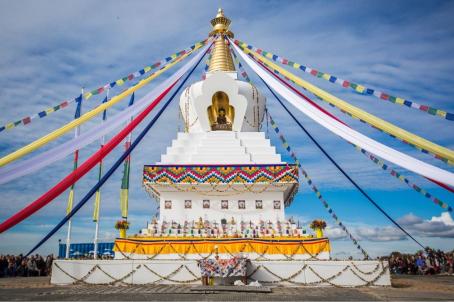
Stupas are symbols of enlightenment and peace that commemorate different stages of Buddha's life. Since the mid-20th century, thousands of stupas have begun to populate Europe. We have compiled some of the most impressive ones in this list.
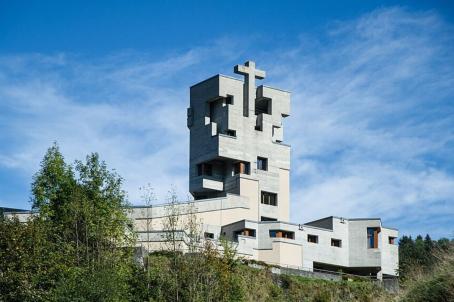
Walter Maria Förderer (1928–2006) was a Swiss architect and sculptor renowned for his neo-expressionist church designs in the 1960s. In this list we have compiled 6 of his church designs that seamlessly integrate religious and secular elements.