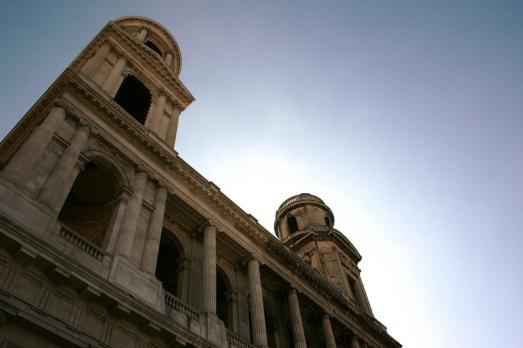
Church of Saint-Sulpice
Paris, FR
The Saint-Sulpice church, built between 1646 and 1870, replaced a 12th century sanctuary. The style chosen for the new church is classicism with many Corinthian elements.

Here you can search for a building to visit. You can use the map find destinations, or you can use the filters to search for a building based upon what different criteria.
Paris, FR
The Saint-Sulpice church, built between 1646 and 1870, replaced a 12th century sanctuary. The style chosen for the new church is classicism with many Corinthian elements.
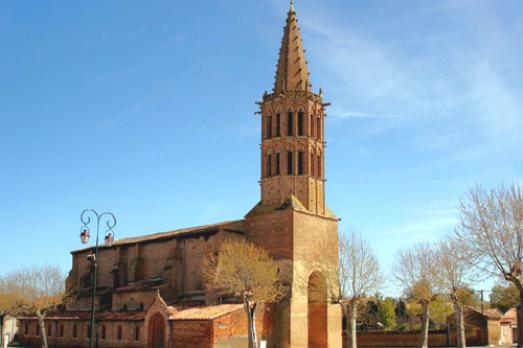
Saint-Sulpice-sur-Lèze, FR
The land belonged to the Abbey of Lezat and was given to the Order of the Hospital between 1120 and 1214. A bastide was created there in 1257 by Alfonso de Poitiers, to whom the Hospitallers ceded the high jurisdiction over this territory. 15th century building, restored in the 19th century, in which mural paintings from the 16th century were found.
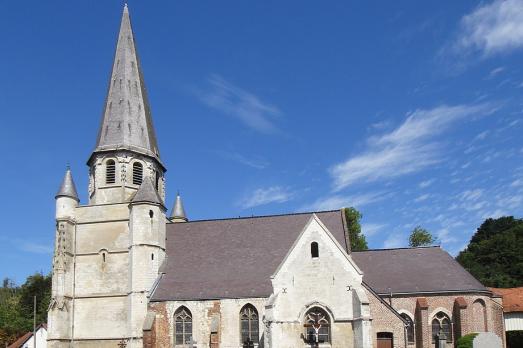
Willeman, FR
The Church of Saint-Sulpice in Willeman et son Cimetière was built in the 15th century. It is probably the most remarkable architectural element of the church is its bellow-porch.
Ahun, FR
In the 12th century, the church is the property of the abbey of Moutier-d'Ahun. The first permanent church was built in the 10th century. It was after successive embankments of the cemetery, then during the construction of "The High Church" in the twelfth century, that this church was transformed into a "Crypt".
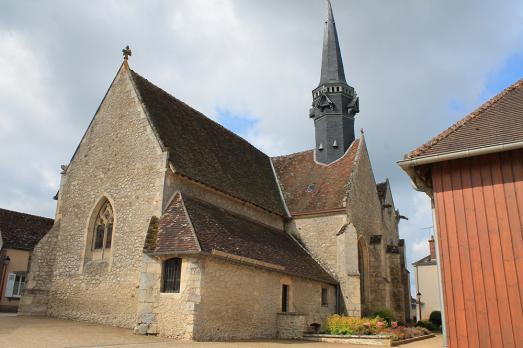
Cherreau, FR
The church of Saint-Symphorien was built in the fifteenth century in Cherreau, in the Pays de la Loire. The building has a western Gothic facade pierced with a portal decorated with sculptures. The nave (fifteenth century) is extended by a choir (eighteenth century) almost as long as it. The church is especially interesting for gable figures and gargoyles made by Gaullier (nineteenth century), six windows of the late sixteenth century, paneling (eighteenth century) and rich furniture.
Brageac, FR
This late 11th or early 12th century church was part of the monastery of Brageac, first intended for men and then transformed into a women's abbey of the order of Saint-Benoît.
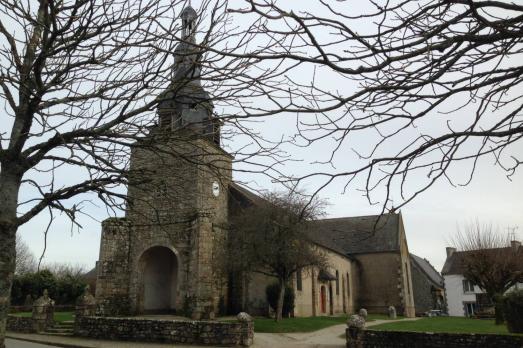
PLUMERGAT, FR
The Church of Saint-Thuriau is located in Plumergat, Brittany, on a former site of prayer and druidic sacrifice. Built in the Romanesque style (eleventh century), it was relatively unchanged until 1948, when many changes were made, without altering too much the general structure of the building. Above the gate stands a fourteenth century bell tower, broken by a small outfacing bay. There is a polychrome wooden altarpiece and Romanesque capitals from the twelfth century (listed Historical Monuments).
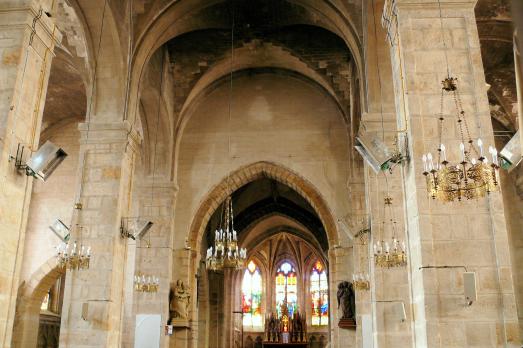
Fère-Champenoise, FR
Located in Fère-Champenoise, in the Marne department, the Saint Timothée church is a majestic building that combines Romanesque and Gothic styles. The windows of the apse are a wonderful example of the flamboyant Gothic style and are well worth visiting.
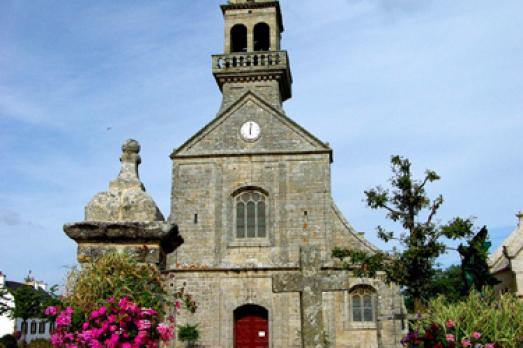
Loctudy, FR
The Saint-Tudy church is a Romanesque church located in Loctudy, port of the Pays Bigouden, in the south of the Finistère department in Brittany. It is consecrated to Saint Tudy, a monk whose geographical and historical origins are rather vague. It is one of the rare Romanesque churches in Brittany to have come down to us with, among others, the church of Locmaria in Quimper, the abbey church of Sainte-Croix in Quimperlé and the church of Saint-Pierre de Fouesnant. Its restoration - in two stages during the 19th century - was followed by Prosper Mérimée and Jean-Baptiste Lassus, and carried out by Joseph Bigot and Paul Gout, which may indicate a certain architectural importance of the building.
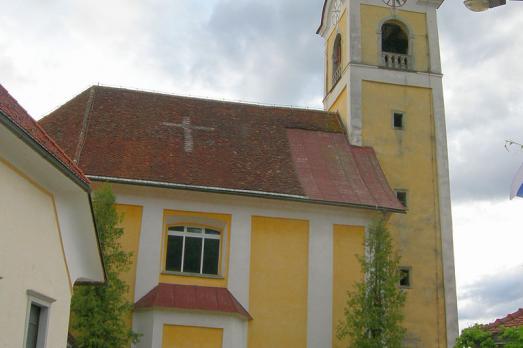
Begunje na Gorenjskem, SI
The church of Saint-Urh dates from the end of the 14th or the beginning of the 15th century. It was rebuilt in the Baroque style in 1743. At that time, the new church and the parish were covered with bricks from the abandoned Kamen Castle. The interior of the church contains many paintings from different periods.
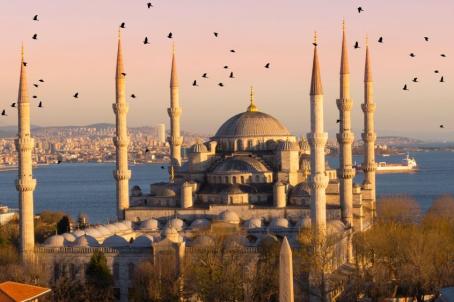
new
For a long time, Europe was ruled by powerful monarchies. Monarchy and religion have been connected since time immemorial. Here are 7 sites across Europe where royalty historically bent the knee to a higher power and received their crown.
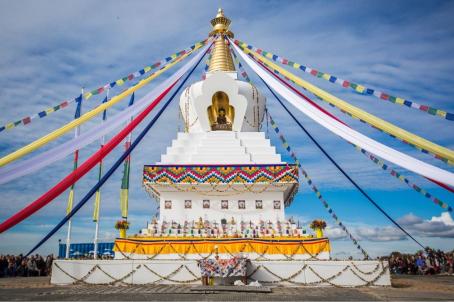
Stupas are symbols of enlightenment and peace that commemorate different stages of Buddha's life. Since the mid-20th century, thousands of stupas have begun to populate Europe. We have compiled some of the most impressive ones in this list.
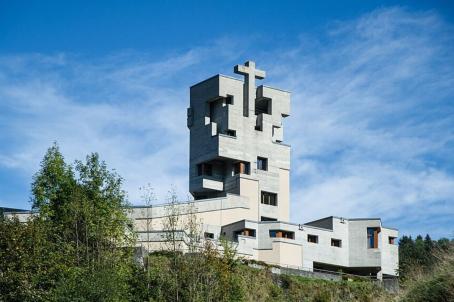
Walter Maria Förderer (1928–2006) was a Swiss architect and sculptor renowned for his neo-expressionist church designs in the 1960s. In this list we have compiled 6 of his church designs that seamlessly integrate religious and secular elements.

How is Religiana helping to conserve and promote Religious Heritage in Europe and why should you get involved?
Find out about Religiana
Are you a tourism organisation or religious heritage sites manager? Discover the advantages of becoming a partner.
See current partners
We can keep you up to date with the latest news from Religiana and religious heritage conservation across Europe.
Sign up to the FRH newsletter