Explore Religious Heritage Across Europe

Here you can search for a building to visit. You can use the map find destinations, or you can use the filters to search for a building based upon what different criteria.

Refine search

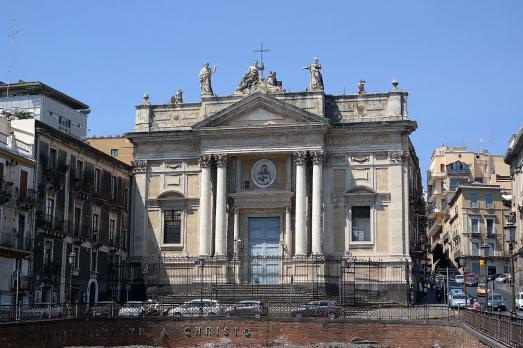
Church of San Biagio

Church of San Biagio

Catania, IT

The Church of San Biagio, also known as the Church of Sant'Agata alla Fornace, was built in the 18th century after the terrible earthquake of 1693. The church stands on the spot where, according to tradition, was the furnace in which Sant'Agata, the patron saint of the town, suffered martyrdom.
Church of San Biagio

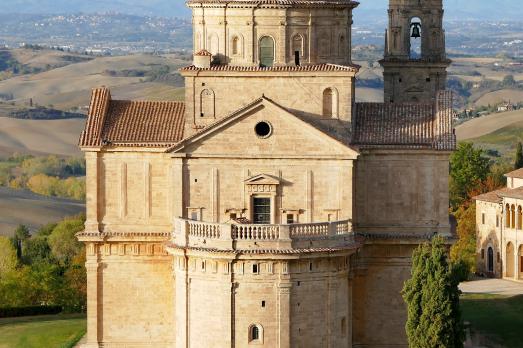
Church of San Biagio

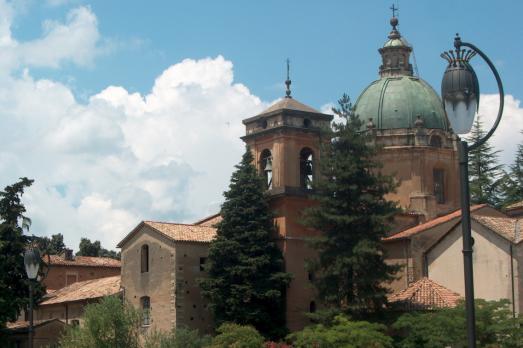
Montepulciano, IT

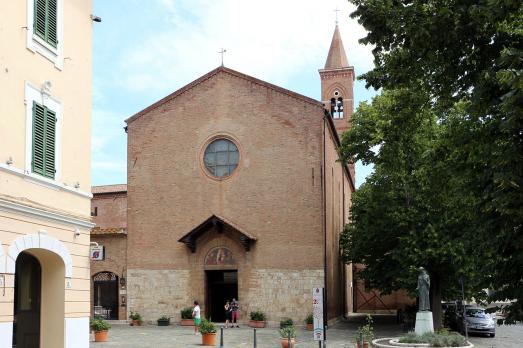
The Church of San Biagio, designed by Antonio da Sangallo the Elder, is an example of 16th century Tuscan Renaissance architecture. The church was built on the site of an ancient parish church of early Christian origin, whose fresco of the Madonna and Child with St. Francis attracted many pilgrims. The construction of the present church began in 1518 and lasted until 1545.

Church of San Carlo alle Quattro Fontane

Church of San Carlo alle Quattro Fontane

Roma, IT

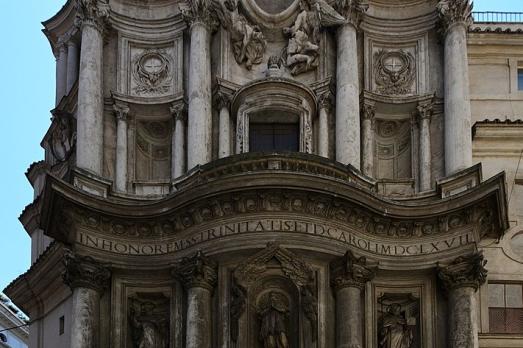
The Church of San Carlo alle Quattro Fontane is a baroque church built between 1634 and 1644 by Francesco Borromini. The facade of the church on the street was designed and built much later, from 1664; after the architect's death in 1667, the work was continued from 1670 to 1680 on the basis of Borromini's drawings.

Church of San Domenico

Church of San Domenico

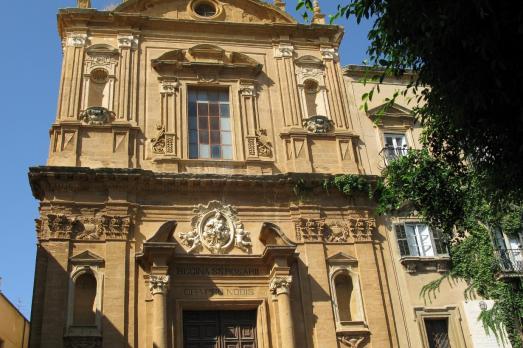
Agrigento, IT

The church of San Domenico was built in its present style in the 17th century. Inside there are eight chapels, four on each side, which are enriched by beautiful and precious paintings from 1700. The former Dominican convent, seat of the municipality since 1867, is adjacent to the church.

Church of San Domenico

Church of San Domenico

Cosenza, IT

The construction of the church of San Domenico was ordered by the Sanseverino family and took place between 1441 and 1468. The façade with the rose window and the arch that surrounds the Gothic style of the entrance portal. The inside is in baroque style with stuccoes and a barrel vault. The old convent with the adjacent cloister on the left side of the church houses the Bocca Art Museum and the offices of the Municipality of Cosenza for culture and tourism.

Church of San Francesco Borgia

Church of San Francesco Borgia

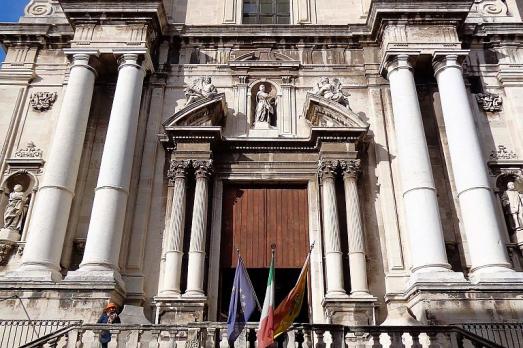
Catania, IT

The first church of San Francesco Borgia was completed around 1578, probably designed by the Jesuit architect Francesco Schena. The Val di Noto earthquake in 1693 destroyed the Jesuit complex, which was rebuilt on a project by the architect Fra' Angelo Italia on the same site between 1698 and 1736. In 1713, under the direction of the architect Stefano Masuccio, work began on the pillars of the church chapel. In the years 1726 - 1740, work was completed on the interior of the church.

Church of San Francesco d'Assisi all'Immacolata

Church of San Francesco d'Assisi all'Immacolata

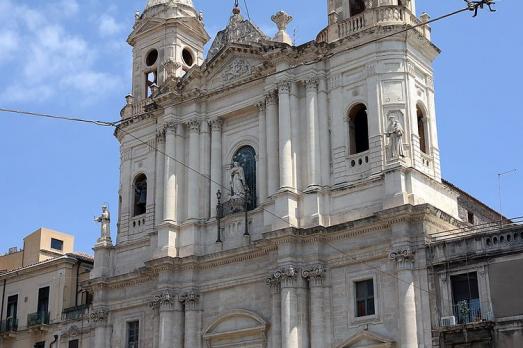
Catania, IT

The church of San Francesco d'Assisi all'Immacolata is located on the site where the Franciscan order settled in the 13th century. In 1329 the Queen Consort of Sicily Eleanor of Anjou promoted the construction of the primitive convent and church of St. Francis of Assisi all'Immacolata. Destroyed in 1693 by the Val di Noto earthquake, the church had to be rebuilt in the 18th century.

Church of San Francesco Saverio

Church of San Francesco Saverio

Trento, IT

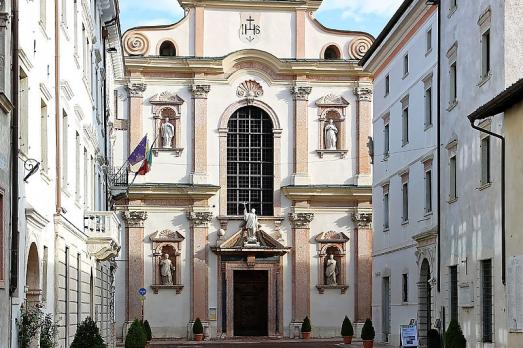
The church of San Francesco Saverio was built between 1708 and 1711 in a Jesuit complex many. After the suppression of the Society of Jesus in 1773, the church was in a state of abandonment until the occupation of the French (1796-1814) who turned it into an arms depot. With the rehabilitation of the Order (after 1815), it was possible to retake possession of the building, but it was only restored for the first time in 1895.

Church of San Francesco

Church of San Francesco

Grosseto, IT

The church of San Francesco was built in the 13th century as a monastery church dedicated to San Fortunato. The chapel on the right, dedicated to St. Anthony, was added during the seventeenth century and decorated with precious frescoes by the painters Antonio and Francesco Nasini. The bell tower that rises on the rear right side of the church was destroyed by lightning and raised in 1926 by the architect Lorenzo Porciatti.

Church of San Gennaro

Church of San Gennaro

Praiano, IT

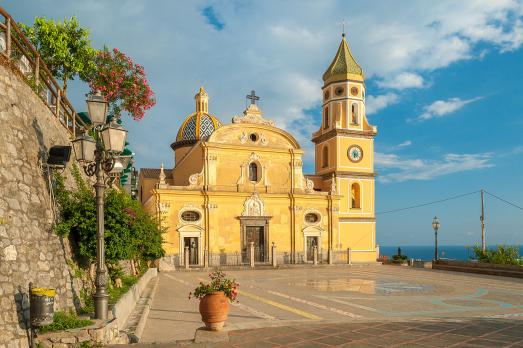
The church of San Gennaro was built in the 16th century on the remains of a previous church of the same name. The interior, in the shape of a Latin cross with three naves, is decorated with a series of altars, among which the nineteenth-century Chapel of the Sacred Heart, by Domenico Rispoli-Zingone, in the right nave, the Carmine altar with the table of the Madonna of Carmel, and the altar of the Crucifix, in the left nave.

Be inspired

Stupkalnis.lt

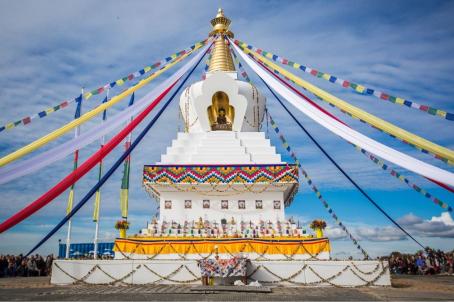
10 Buddhist stupas to discover in Europe

Stupas are symbols of enlightenment and peace that commemorate different stages of Buddha's life. Since the mid-20th century, thousands of stupas have begun to populate Europe. We have compiled some of the most impressive ones in this list.