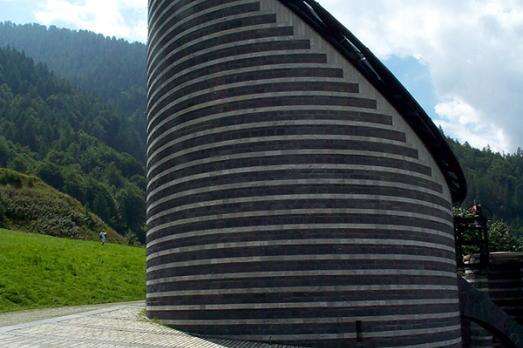
Church of San Giovanni Battista
Mogno, CH
The church of San Giovanni Battista, built in 1987, was designed by architect Mario Botta. The postmodern building in local granite replaces a building built in 1636 and destroyed by an avalanche in 1986.

Here you can search for a building to visit. You can use the map find destinations, or you can use the filters to search for a building based upon what different criteria.
Mogno, CH
The church of San Giovanni Battista, built in 1987, was designed by architect Mario Botta. The postmodern building in local granite replaces a building built in 1636 and destroyed by an avalanche in 1986.
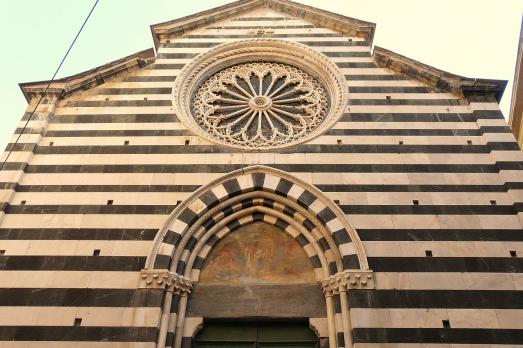
Monterosso al Mare , IT
The church of San Giovanni Battista was built between the 13th and 14th centuries and renovated in the Baroque period. It represents an example of pure Genoese Gothic style, enhanced by a restoration carried out between 1963 and 1964. The façade, dated 1307, is characterised by a two-tone white and dark serpentine garment.
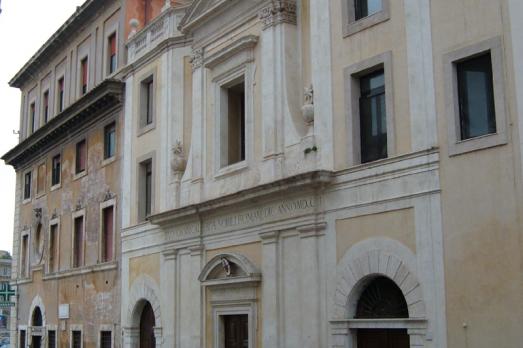
Roma, IT
The church of San Giovanni Calibita was founded in 1584 on an ancient church mentioned as early as the 11th century. The 16th-century church was renovated in 1640, the façade was completed in 1711 and the interior in 1742. The rich interior decoration is the work of Corrado Giaquinto.
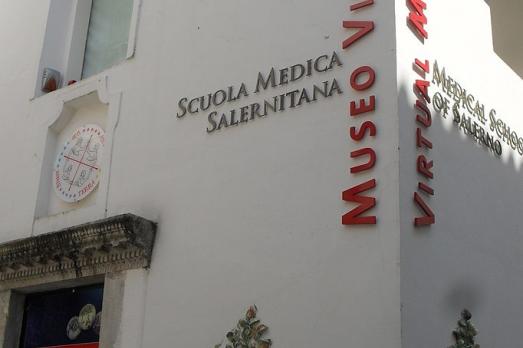
Salerno, IT
The church of San Gregorio was built around the year 1000 during the Lombard period. In the 18th century, in order to facilitate access to the nearby Palazzo Pinto, a dilapidated wing was demolished. The church was desecrated and now houses the virtual museum of the Salerno Medical School.
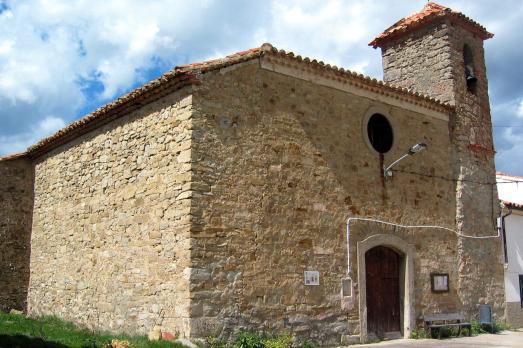
Arroyo Cerezo, ES
The building has an elongated plan with the only door on the southern facade. The bell tower is quadrangular at the foot and pyramidal at the roof. In the 20th century the church was renovated and expanded considerably on the side.
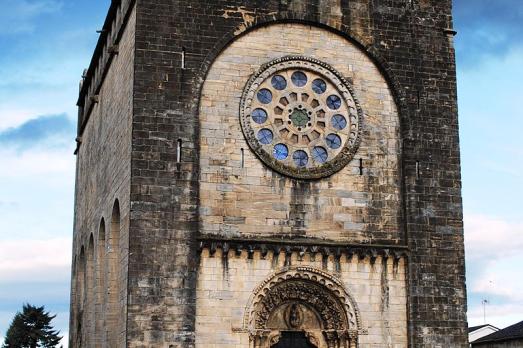
Puertomarín, ES
Romanesque in style, at the beginning of the 1960s it had to be moved from the old location of the town, the old Puertomarín, to the modern one, as a result of the construction of dams on the Miño. It is also known as the church of Saint Nicholas.
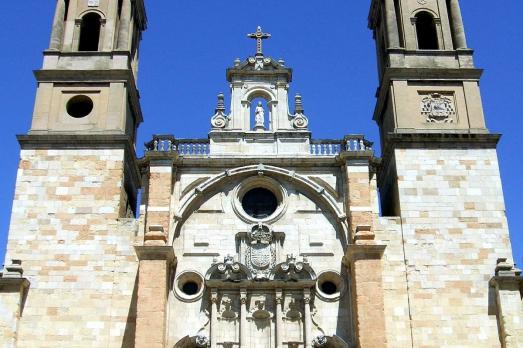
León, ES
The church of San Juan and San Pedro de Renueva was built between 1947 and 1953 by the architect Juan Crisóstomo Torbado in a neo-Renaissance style. The old baroque gate comes from the ruined monastery of San Pedro de Eslonza, located 22 km from the city of León.
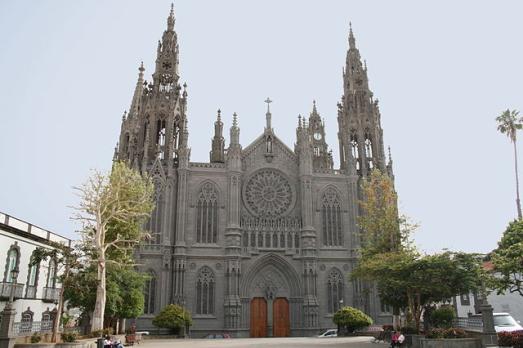
Arucas, ES
The church of San Juan Bautista is a Catholic church located in the historical center of Arucas, in Gran Canaria, Spain. The work of Spanish architect Manuel Vega y March, construction began in 1909 and took 70 years to complete. Known as the Cathedral of Arucas (despite not being a cathedral), it is one of the most iconic buildings on the island of Gran Canaria because of its exterior architecture.
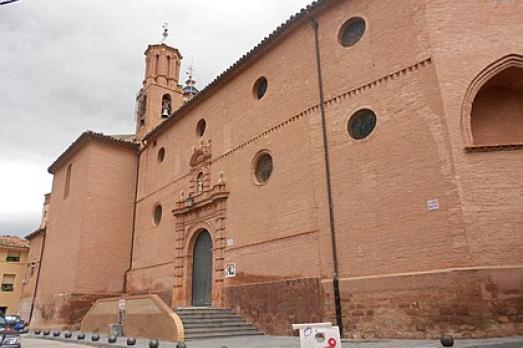
Illueca, ES
The primitive Mudejar church belonged to the typology of a single-nave church, with three sections, a pentagonal head, and chapels between the buttresses open to the nave; The nave was covered with simple cross vaults with diagonal ribs while the chapels could be closed with a pointed barrel. Flanking the foot section, two towers were arranged, of which the southern one, similar to the one existing in the church of San Félix de Torralba in Ribota, has a slightly rectangular plan with a spiral staircase, from where the roofs of the church were accessed. church. From this stage, an octagonal four-loop panel is also preserved, combined with cartouches, both on the tower and in the nave.
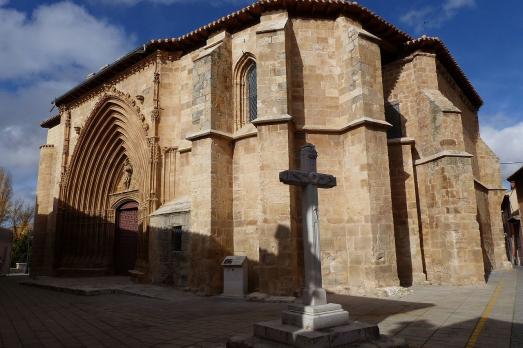
Aranda de Duero, ES
The church of San Juan is a Catholic church built between the 14th and 15th centuries. It is currently used as a Museum of sacred art in Aranda de Duero. The Council of Aranda was held in this building in 1473.
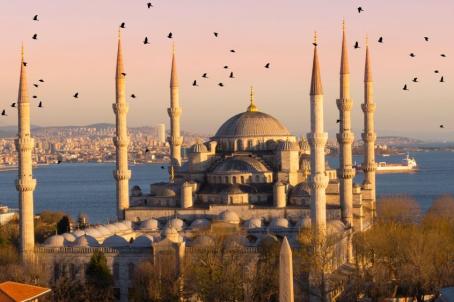
new
For a long time, Europe was ruled by powerful monarchies. Monarchy and religion have been connected since time immemorial. Here are 7 sites across Europe where royalty historically bent the knee to a higher power and received their crown.
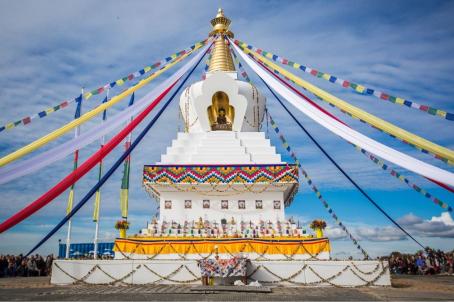
Stupas are symbols of enlightenment and peace that commemorate different stages of Buddha's life. Since the mid-20th century, thousands of stupas have begun to populate Europe. We have compiled some of the most impressive ones in this list.
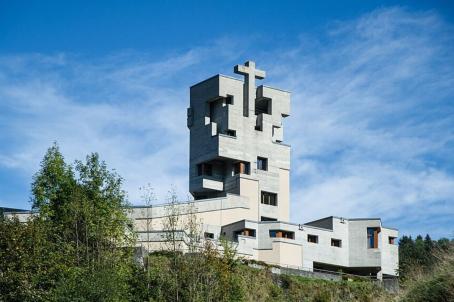
Walter Maria Förderer (1928–2006) was a Swiss architect and sculptor renowned for his neo-expressionist church designs in the 1960s. In this list we have compiled 6 of his church designs that seamlessly integrate religious and secular elements.

How is Religiana helping to conserve and promote Religious Heritage in Europe and why should you get involved?
Find out about Religiana
Are you a tourism organisation or religious heritage sites manager? Discover the advantages of becoming a partner.
See current partners
We can keep you up to date with the latest news from Religiana and religious heritage conservation across Europe.
Sign up to the FRH newsletter