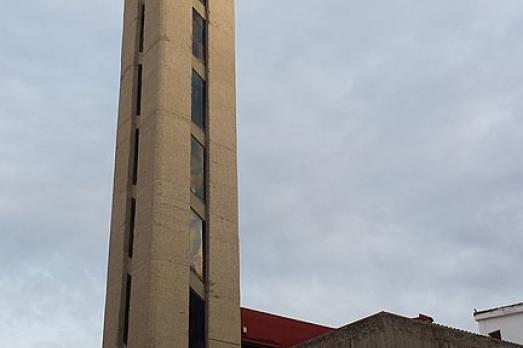
Church of the Assumption, Albacete
Albacete, ES
The church of Our Lady of the Assumption was built in 1966 due to the growth of the city's population. It was built in a Brutalist style using stone, concrete and brick.

Here you can search for a building to visit. You can use the map find destinations, or you can use the filters to search for a building based upon what different criteria.
Albacete, ES
The church of Our Lady of the Assumption was built in 1966 due to the growth of the city's population. It was built in a Brutalist style using stone, concrete and brick.
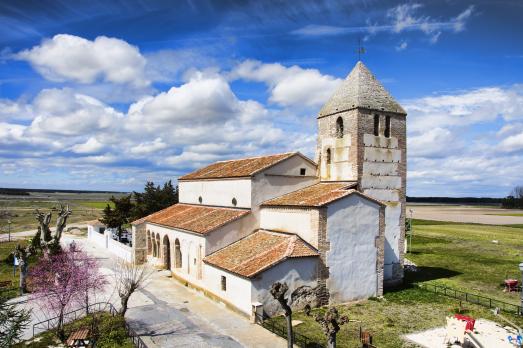
Pinarejos, ES
The Church of the Assumption was built at the end of the 12th or beginning of the 13th century, in a mixture of Romanesque and Mudejar style. It consists of a single nave ending in an apse. Its bell tower, also from the 13th century, is particularly noteworthy, as is the atrium, which was built with arcades and capitals. Its interior is purely Baroque.
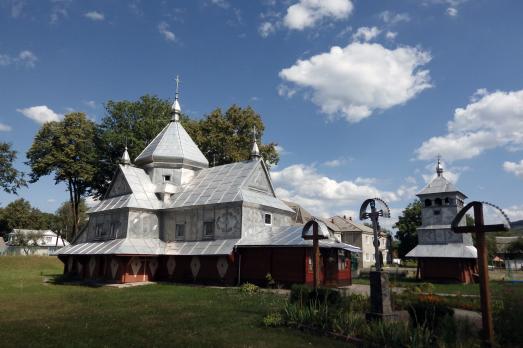
Dobrotov, Ivano-Frankivsk Oblast, UA
This church was built in 1896, in the place of a previous wooden church. The constructors of the church were done on donations of the community of Dobrotov. The roof of the church is covered with tin and the walls have a unique design with painted boards.
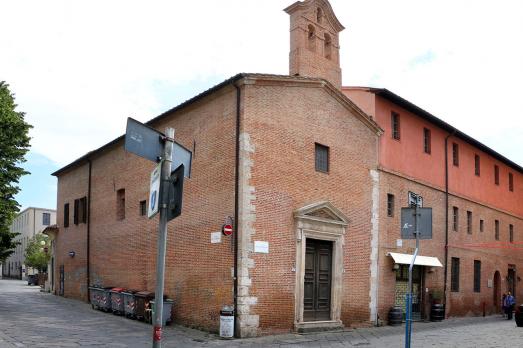
Grosseto, IT
The church of the Bigi, consecrated in 1634, is annexed to the convent of the Poor Clares, of which it was the building of worship. Following the suppression of the religious congregations by the Grand Duke in 1787, the convent was closed. In 1796 the church was assigned to the Compagnia dei Santi Ludovico e Gherardo and began to be known as the "Church of the Bigi" because of the grey colour of the congregation's clothing. After a long decline of the congregation, the church was finally deconsecrated at the beginning of the 20th century, and is now used for cultural activities and initiatives.
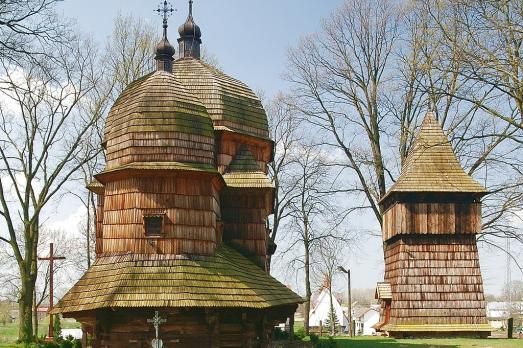
Młyny, PL
The church of the Birth of the Blessed Virgin Mary, built around 1600, is one of the listed wooden churches in the Polish Carpathians. It was heavily restored in the years 1991-1994.
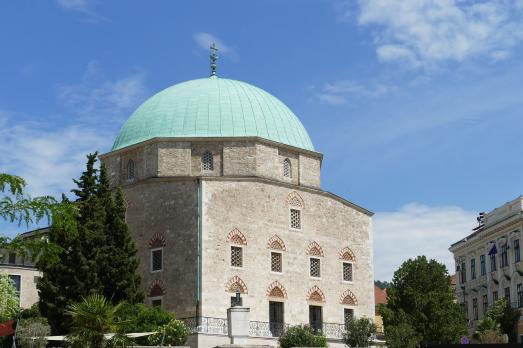
Pécs, HU
The mosque of Pasha Qasim, officially the church of the Blessed Virgin, is the most monumental work of Turkish Islamic architecture in Hungary, one of the symbols of Pécs. Originally a Christian temple, the building was transformed into a mosque in the 1560s and became a permanent church again in the 18th century, when its minaret was destroyed (1766).
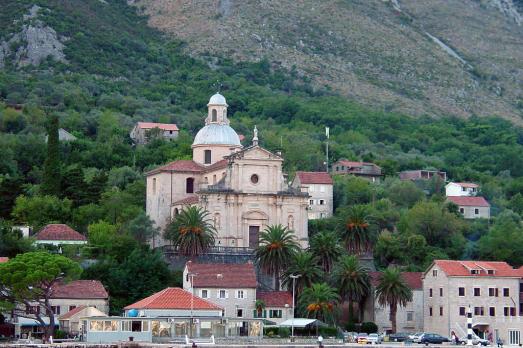
Prčanj, ME
The Church of the Blessed Virgin Mary was founded in 1793 by the Venetian architect Bernardino Macaruzzi, but was extended until 1913. It is a splendid example of the Venetian Baroque style.
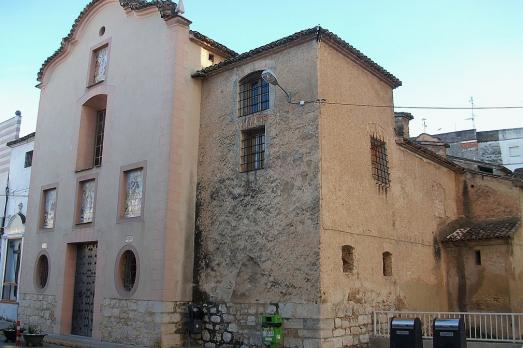
Albaida, ES
Built in the Gothic style. The conventual building in a rustic Franciscan chaple with influences from the early Baroque. At the beginning of the 21st century the church continues to be used for worship. At the central level of the façade are three symmetrically distributed ceramic devotional panels. One of them represents the scene of Saint Francis of Assisi's blessing.
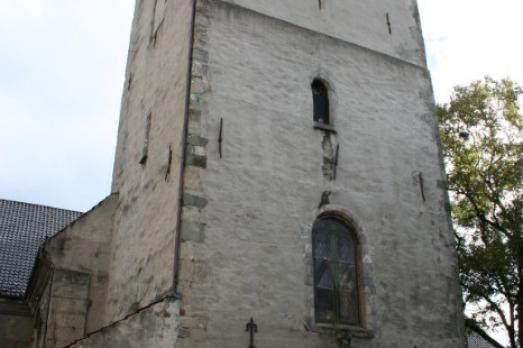
Bergen, NO
The Church of the Cross is a medieval stone church originally consisting of a nave with a choir, built around 1150. The sacristy was probably built in the High or Low Middle Ages, and in the 18th and 19th centuries the church was extensively rebuilt, so that the church today has a cruciform shape. In 1896, the sacristy was decorated as a chapel, and much of the present church interior dates from the same period. The interior is particularly marked by the renovation of 1896-97.
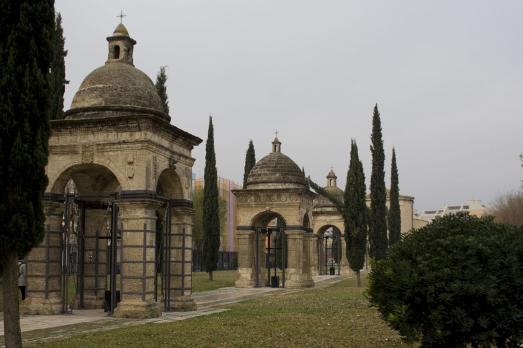
Foggia, IT
The church of Monte Calvario, also known as the Church of the Crosses, was built from 1693 to 1742 on the site where Capuchin Father Antonio da Olivadi planted seven crosses on the way of a penitential procession against the famine. The crosses gradually gave way to a complex consisting of a Baroque triumphal arch, five chapels and the church, in the form of a Latin cross.
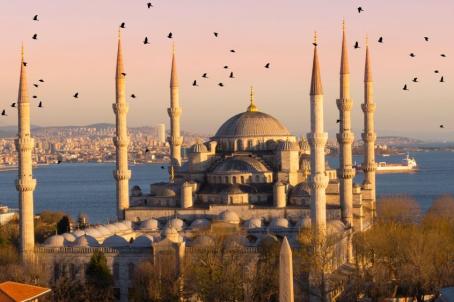
new
For a long time, Europe was ruled by powerful monarchies. Monarchy and religion have been connected since time immemorial. Here are 7 sites across Europe where royalty historically bent the knee to a higher power and received their crown.
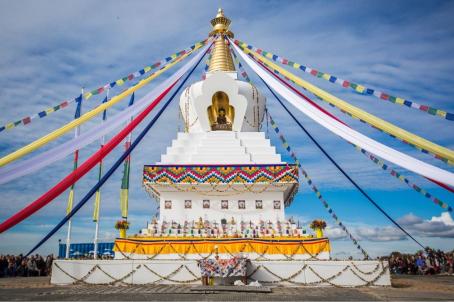
Stupas are symbols of enlightenment and peace that commemorate different stages of Buddha's life. Since the mid-20th century, thousands of stupas have begun to populate Europe. We have compiled some of the most impressive ones in this list.
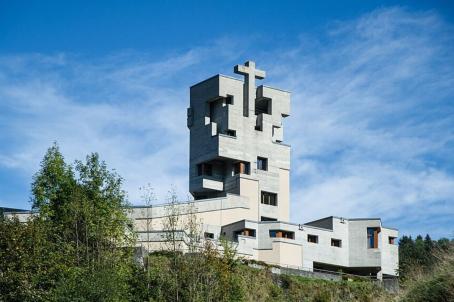
Walter Maria Förderer (1928–2006) was a Swiss architect and sculptor renowned for his neo-expressionist church designs in the 1960s. In this list we have compiled 6 of his church designs that seamlessly integrate religious and secular elements.

How is Religiana helping to conserve and promote Religious Heritage in Europe and why should you get involved?
Find out about Religiana
Are you a tourism organisation or religious heritage sites manager? Discover the advantages of becoming a partner.
See current partners
We can keep you up to date with the latest news from Religiana and religious heritage conservation across Europe.
Sign up to the FRH newsletter