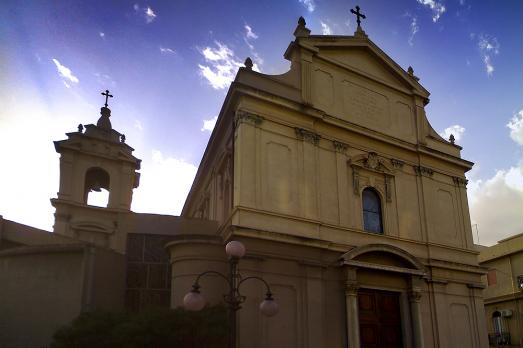
Church of the Crucifix
Reggio Calabria, IT
The Church of the Crucifix was founded in the 15th century, but the current Baroque and Neoclassical building dates from 1937.

Here you can search for a building to visit. You can use the map find destinations, or you can use the filters to search for a building based upon what different criteria.
Reggio Calabria, IT
The Church of the Crucifix was founded in the 15th century, but the current Baroque and Neoclassical building dates from 1937.
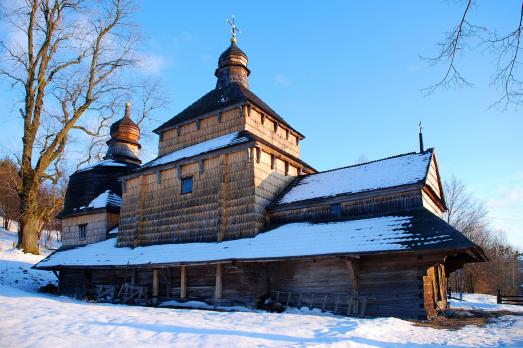
, UA
The descent of the Holy Spirit, built in 1502, is one of the wooden tserkvas found in Poland and Ukraine. This exceptional Galician-style monument was painted between 1620 and 1640 and restored in 1831, 1903, 1923 and 1970-1972.
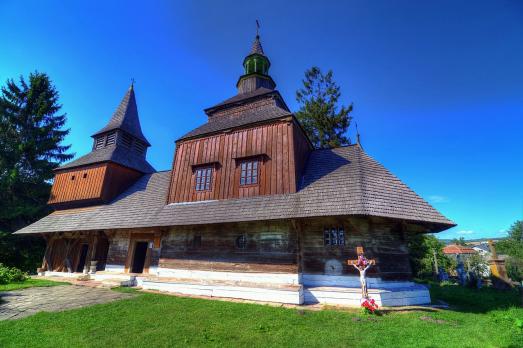
Rohatyn, UA
The Church of the Descent of the Holy Spirit, built in the 15th century, is the oldest preserved wooden church in Ukraine and one of the tserkvas on a UNESCO list. Nowadays, it is used as a museum of wooden architecture and 16th and 19th century painting.
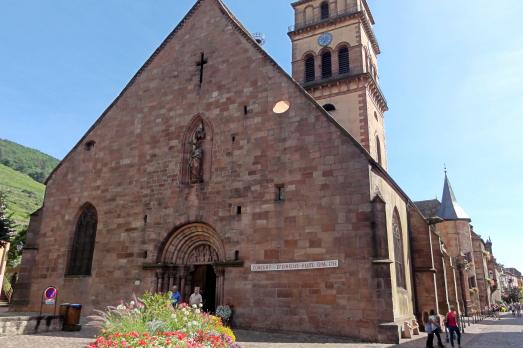
Kayserberg, FR
Built in the 13th century in the Romanesque style, the church houses in the choir a remarkable altarpiece in carved wood dating from 1518. In front of the entrance to the sanctuary, in Romanesque style, is one of the most beautiful public fountains in Alsace.
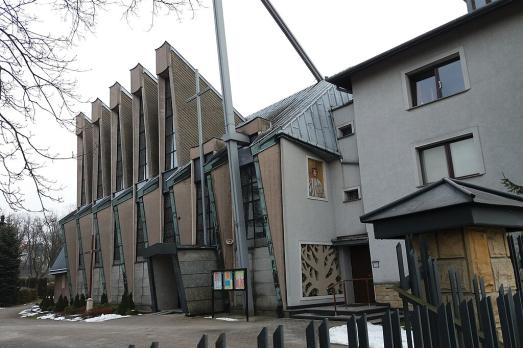
Krakow, PL
The Roman Catholic Church of the Divine Savior was completed in 1976. It was designed by the architect Janusz Gawor in a postmodern style.
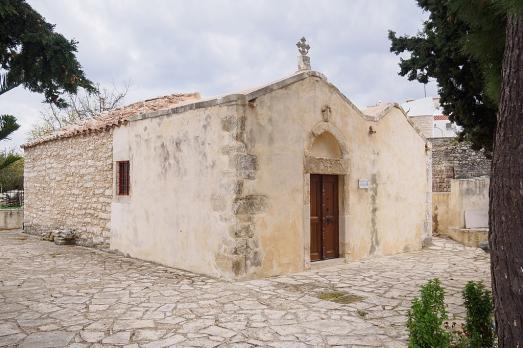
Agios Ioannis, GR
.
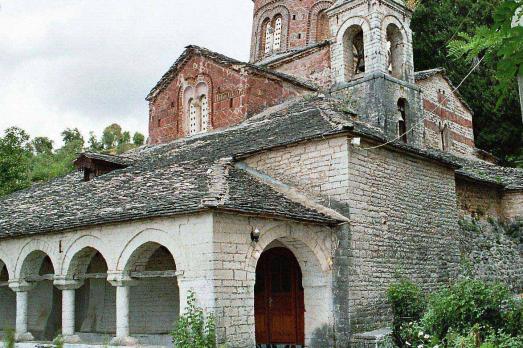
Labovë e Sipërme, AL
The Church of the Dormition of the Theotokos, Labovë e Kryqit is one of the oldest in Albania. The building is typically Byzantine with a high central dome and a cross plan. The main entrance to the church is through a newer narthex. There are at least 9 distinct levels of frescoes painted on the surface of the interior walls. The church, as we see it today, dates mainly from the 13th century, from the time of the Despotate of Epirus, although a first foundation is dated to the time of Emperor Justinian in the years 527-565 e.j.
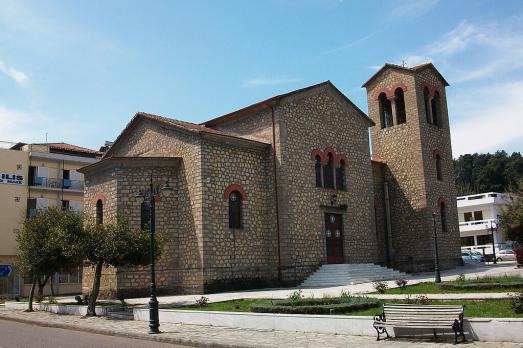
Archea Olimpia , GR
.
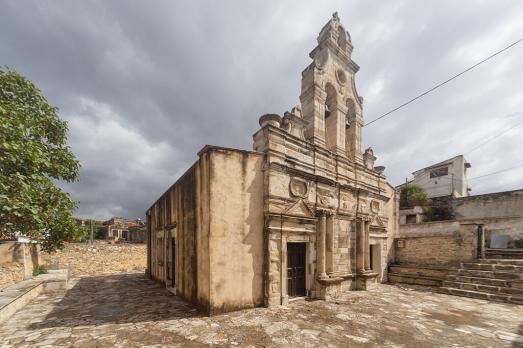
Garazo, GR
.
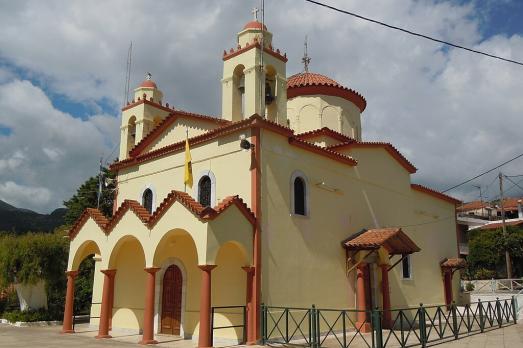
Lefktro, GR
.
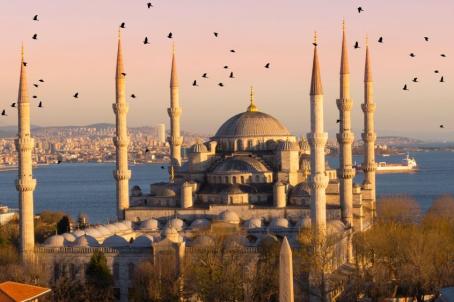
new
For a long time, Europe was ruled by powerful monarchies. Monarchy and religion have been connected since time immemorial. Here are 7 sites across Europe where royalty historically bent the knee to a higher power and received their crown.
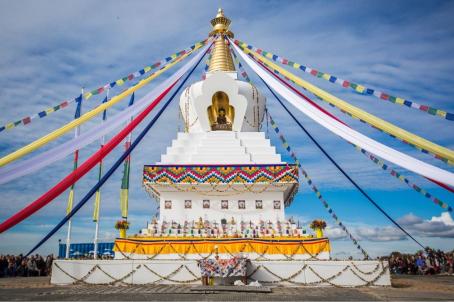
Stupas are symbols of enlightenment and peace that commemorate different stages of Buddha's life. Since the mid-20th century, thousands of stupas have begun to populate Europe. We have compiled some of the most impressive ones in this list.
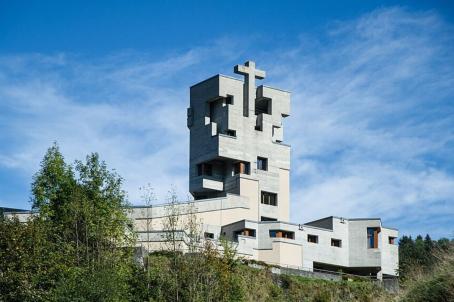
Walter Maria Förderer (1928–2006) was a Swiss architect and sculptor renowned for his neo-expressionist church designs in the 1960s. In this list we have compiled 6 of his church designs that seamlessly integrate religious and secular elements.

How is Religiana helping to conserve and promote Religious Heritage in Europe and why should you get involved?
Find out about Religiana
Are you a tourism organisation or religious heritage sites manager? Discover the advantages of becoming a partner.
See current partners
We can keep you up to date with the latest news from Religiana and religious heritage conservation across Europe.
Sign up to the FRH newsletter