Eben Haëzer (Ichtuskerk)
Kruiningen, NL
Reconstruction church without tower. Out of use as Reformed church in 2000.

Here you can search for a building to visit. You can use the map find destinations, or you can use the filters to search for a building based upon what different criteria.
Kruiningen, NL
Reconstruction church without tower. Out of use as Reformed church in 2000.
Leggeloo, NL
Over a hundred years ago, Evangelisation started as a “church on the threshing floor”. This evangelisation, which has always been small, has held out all those years. Many church communities have ceased to exist over the years because they were no longer viable. The NH evangelisation Leggeloo/Eemster still exists. The chapel was nicknamed the “clog church”. This came from the clogs that were placed in the clog rack in front of the church, since there was no vestibule yet. In 1953, the chapel was enlarged with a vestibule and thirty years later a consistory and meeting room were built behind the church. The Reformed chapel, the smallest church in Drenthe, is still in use.
Onna, NL
On the border with Drenthe (Havelterberg). The neighborhood association has an agreement with the Protestant Community of Steenwijk that the church building is used free of charge every Sunday morning for church services that fall under its authority.
Roderesch, NL
Church hall without tower.
Steenwijk, NL
On the border with Drenthe (Havelterberg). The neighborhood association has an agreement with the Protestant Community of Steenwijk that the church building is used free of charge every Sunday morning for church services that fall under its authority.
Goudswaard, NL
The history of the Reformed Church in Goudswaard goes back to around 1912, when a few people met in the Christian school to read a sermon together on Sunday. From May 1913, they met in the attic of a house. In 1928, a church building was built at Molendijk 84. It was put into use on 13 December 1928. The number of seats was around 200. In 1935, a pipe organ was installed in the church building. When the Germans flooded a considerable part of the Hoeksche Waard in 1944, the church building also filled up. In 1945, the church building was occupied again, but the organ had to be replaced due to the large amount of moisture. In 1960, the organ was restored and expanded. In 1967, the church building was extended by a few metres and provided with a meeting room. The consistory room was also renovated and the organ was placed above the new pulpit. This creates space for approximately 30 seats on the gallery. On 16 June 1967, the church building is put back into use. In 1986, the meeting room is demolished and a new, larger one is built. In 1996, the interior is renovated, bringing the number of seats to 220.
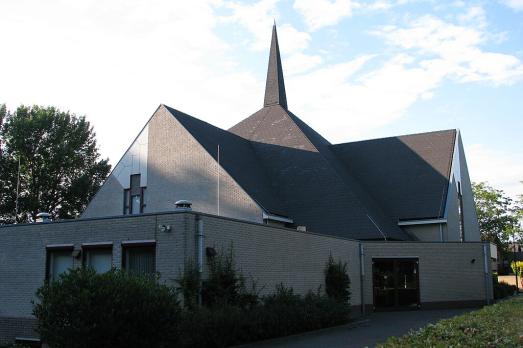
Apeldoorn, NL
In 1995, a new church was put into use on the Zonnedauw in Apeldoorn. However, due to the strong growth in the number of members, it became impossible to offer churchgoers a place during the Sunday morning services in a responsible manner during the course of last year.
Kampen, NL
Modern church with tower. Replaced an earlier church building at the same address.
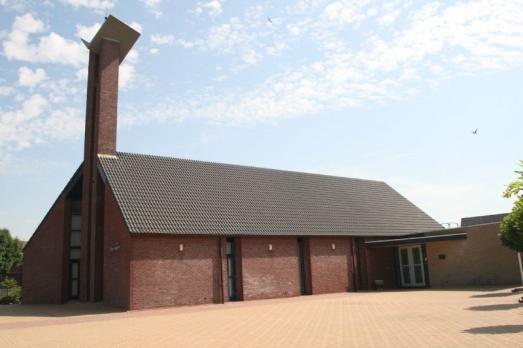
Almelo, NL
The Eben Haëzerkerk is a Christian Reformed Church built in 1927. In December 2002, the organ in the church was removed and replaced by an electronic organ.
Ouddorp, NL
In 1983, the association building of the Dutch Reformed Church in Ouddorp was first built at this location. From 1989 to 2010, church services were also held in the building. The building was owned by the Eben Haëzer Foundation until 2013, after which it was transferred to the Reformed Church. In 2012 and 2013 a completely new Reformed Church with 1,071 seats was built at the association building. This building is called 'Eben-Haëzerkerk' .
new
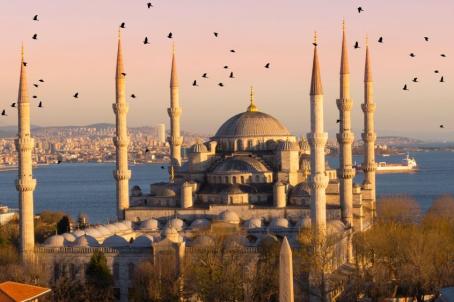
For a long time, Europe was ruled by powerful monarchies. Monarchy and religion have been connected since time immemorial. Here are 7 sites across Europe where royalty historically bent the knee to a higher power and received their crown.
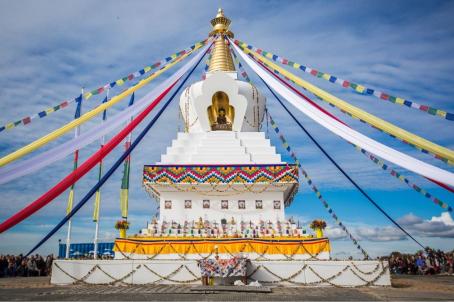
Stupas are symbols of enlightenment and peace that commemorate different stages of Buddha's life. Since the mid-20th century, thousands of stupas have begun to populate Europe. We have compiled some of the most impressive ones in this list.
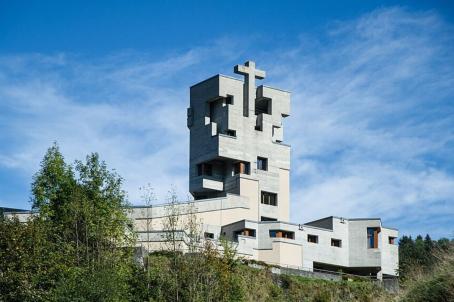
Walter Maria Förderer (1928–2006) was a Swiss architect and sculptor renowned for his neo-expressionist church designs in the 1960s. In this list we have compiled 6 of his church designs that seamlessly integrate religious and secular elements.

How is Religiana helping to conserve and promote Religious Heritage in Europe and why should you get involved?
Find out about Religiana
Are you a tourism organisation or religious heritage sites manager? Discover the advantages of becoming a partner.
See current partners
We can keep you up to date with the latest news from Religiana and religious heritage conservation across Europe.
Sign up to the FRH newsletter