Explore Religious Heritage Across Europe

Here you can search for a building to visit. You can use the map find destinations, or you can use the filters to search for a building based upon what different criteria.

Refine search

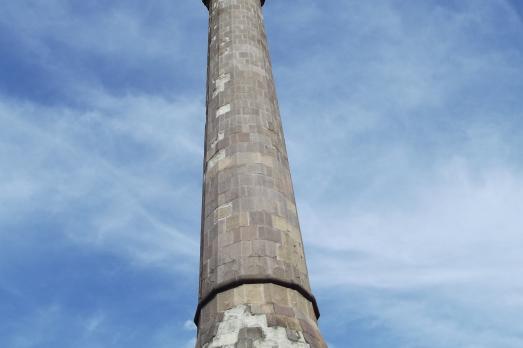
Eger Minaret

Eger Minaret

Eger, HU

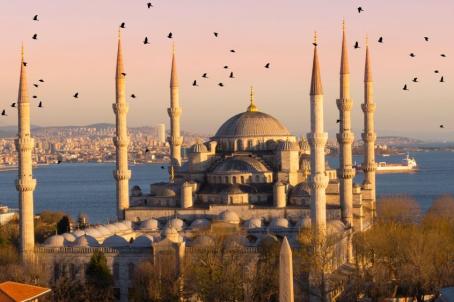
The Eger Minaret, probably built at the beginning of the 17th century, is the northernmost Ottoman monument in Europe and the highest and best preserved of the three intact minarets in Hungary. During 91 years of Turkish rule, a total of ten minarets were erected in Eger, but only one remains. The mosque that was attached to the minaret was transformed into a Catholic church dedicated to St. Joseph after the Turkish domination, then into a hospital in the 18th century, and finally demolished in 1841. A church was built in its place.
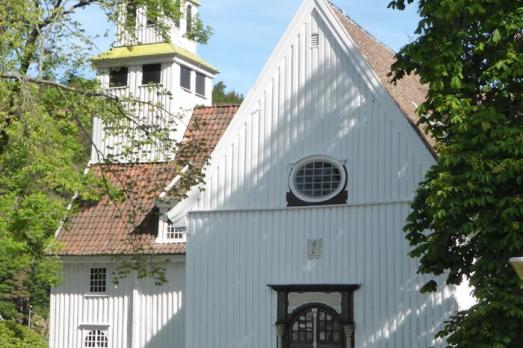
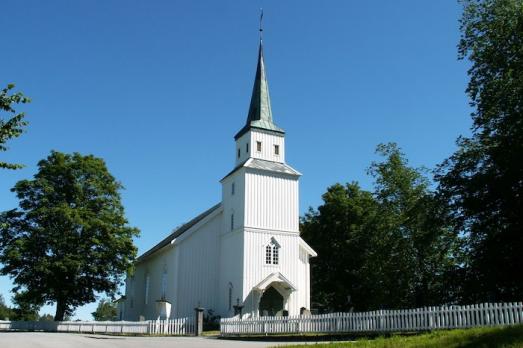
Egersund kirke

Egersund kirke

Eigersund, NO

The church in Egersund is a wooden church that would have been built in the 1620s, at a time when Egersund was an important shipping port for timber. The church has a cruciform plan but was originally built as a long church, with a chancel in the east. The transverse arms and the present chancel were built in the 1780s, as well as the turret over the west entrance and the sacristy on the south side of the chancel. At the same time, the church hall received galleries and vaulted ceilings.

Egge Church

Egge Church

Steinkjer, NO

The church in Egge is a long church dating from 1767. The first church in Egge, probably a Stave church, is mentioned in 1588. In 1676, a new church was built by adding to the old one so that it became a cruciform church. This second Egge church remained standing until 18 August 1765, when it was burnt to the ground by lightning. The third church was completed on Egge in 1767 and remained standing until 1870 when it was demolished and the present church was built. The church as it stands today is in the Empire style.

Eggedal Church

Eggedal Church

Sigdal, NO

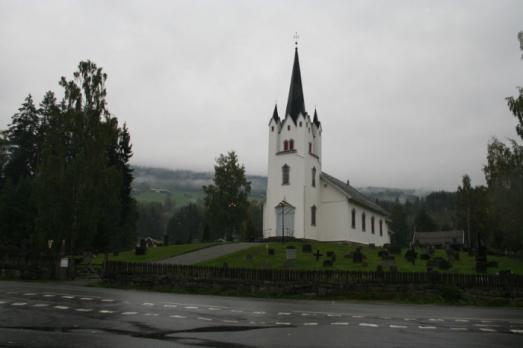
The Eggedal church is a long church from 1878. It replaced a stave church which was located a little higher up in the village and was demolished after the new church was put into use.

Eglise abbatiale de Mozac

Eglise abbatiale de Mozac

Mozac, FR

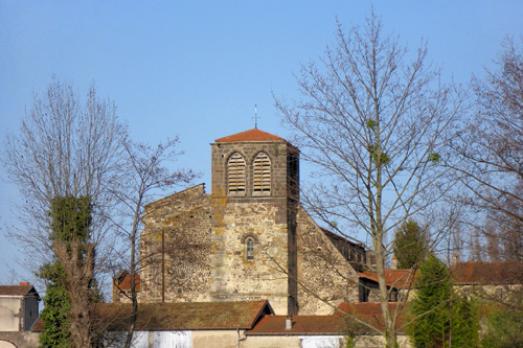
The Benedictine Abbey of Mozac is a royal foundation. It came into being in the 7th century thanks to Calmin, Duke of Aquitaine, and his wife Namadie, and was richly endowed by Pepin the Short.

Notre-Dame de l'Epinay Abbey Church, Saint-Pierre-sur-Dives

Notre-Dame de l'Epinay Abbey Church, Saint-Pierre-sur-Dives

Saint-Pierre-sur-Dives , FR

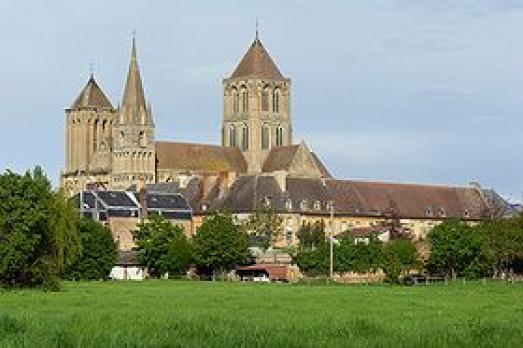
Building built in 1108, two years after the first one was destroyed by the King of England. The work was not completed until the 13th century. The abbey finally fell into disrepair. It then underwent two phases of restoration, in 1461 and 1562, both following wars.

Église catholique Saint-Laurent, Neuville-Saint-Vaast

Église catholique Saint-Laurent, Neuville-Saint-Vaast

Neuville-Saint-Vaast, FR

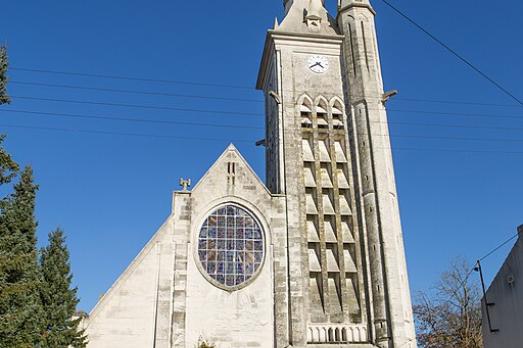
Église catholique Saint-Laurent à Neuville-Saint-Vaast was built in the neo-gothic style by the architects J.de Saint Maurice and H. Philippe. They chose re-enforced concrete using the techniques of a local man, François Hennebique.

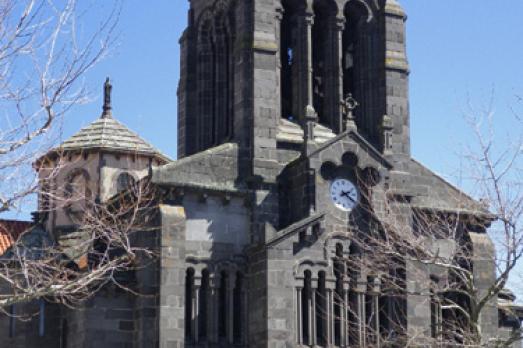
Saint-Priest Clunic Church, Volvic

Saint-Priest Clunic Church, Volvic

Volvic, FR

In 1094, the abbey of Volvic became the priory of the abbey of Mozac under the influence of Cluny. The church Saint-Priest was rebuilt by Guillaume de Bezac in the 12th century in arkose.

Église de la Madeleine

Église de la Madeleine

Mont-de-Marsan, FR

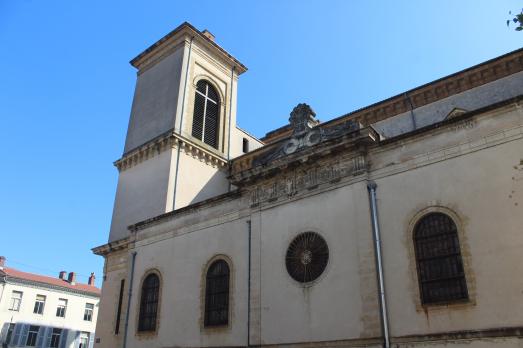
The church of St. Mary Magdalene, commonly known as the Magdalene Church, was built between 1825 and 1829. At least two churches existed before the present church, one Romanesque and the other Gothic from the 14th century. Both churches were Benedictine priories dependent on the abbey of Saint-Sever. The present church was built on the ruins of the latter church, which collapsed on 10 April 1821.

Eglise de la mission de France, Marseille 1e

Eglise de la mission de France, Marseille 1e

Marseille, FR

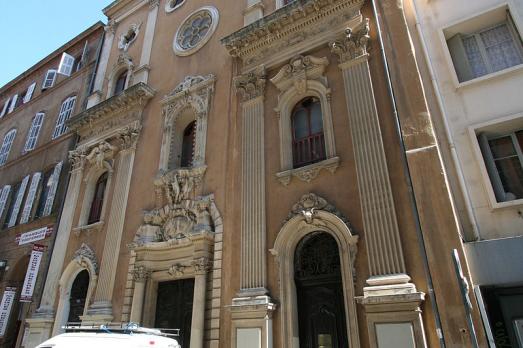
The church of the Mission de France is a church built at the end of the 17th century and renovated in the 19th century. This church has been listed as a historical monument since December 8, 1965.

Be inspired

Stupkalnis.lt

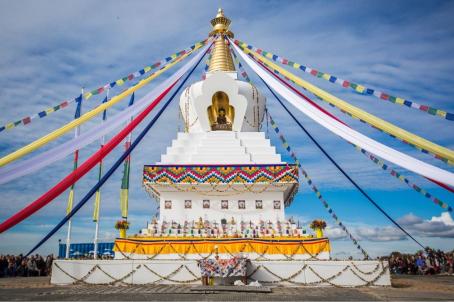
10 Buddhist stupas to discover in Europe

Stupas are symbols of enlightenment and peace that commemorate different stages of Buddha's life. Since the mid-20th century, thousands of stupas have begun to populate Europe. We have compiled some of the most impressive ones in this list.