Gereformeerde Kerk
Opende, NL
Church hall. Various renovations and extensions.

Here you can search for a building to visit. You can use the map find destinations, or you can use the filters to search for a building based upon what different criteria.
Opende, NL
Church hall. Various renovations and extensions.
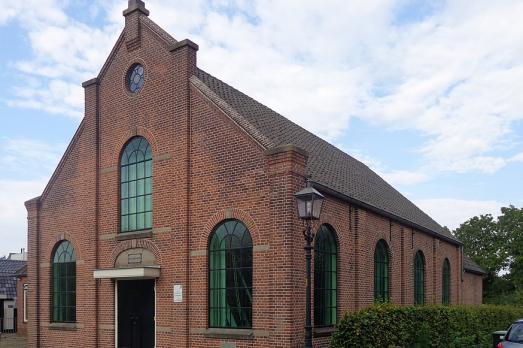
Asperen, NL
Hall church without tower in neo-Romanesque style.
Kockengen, NL
Modern church without a tower, built to replace the old church from 1879 on the Nieuwstraat.
Beetgumermolen, NL
Interesting, monumental church with tower. Replaced an earlier church building. Built as a Reformed Church. Important church designed by A. Nauta.
Hellendoorn, NL
Interesting modern church with freestanding bell tower. Replaced the earlier church in the former station.
Lunteren, NL
Built as a Reformed Church in 1905. At that time it was a neo-Gothic church with a roof turret. In 1935 this church was renovated. Under the leadership of architect GJ van der Top the church was extensively renovated in 1959 and it looked like a new church, including a new small tower. In 1986 a youth cellar, a hall and a church council room were added. Between August and November 2002 the hall was greatly enlarged by filling the space between the church and the rectory. (49-03)
Balkbrug, NL
Interesting reconstruction church with roof turret. Extension in 1951.
Boven-Hardinxveld, NL
Hall church with roof turret, built to replace the hall church from 1861 on the Rivierdijk.
Enumatil, NL
Built as a Reformed Church. In 1945 it became a Reformed Church (Liberated).
Blije, NL
Built as Reformed Church (Liberated), after merger in 2023 NGK
new
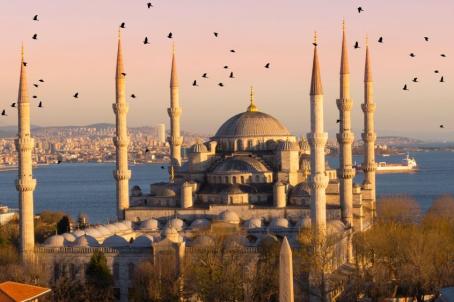
For a long time, Europe was ruled by powerful monarchies. Monarchy and religion have been connected since time immemorial. Here are 7 sites across Europe where royalty historically bent the knee to a higher power and received their crown.
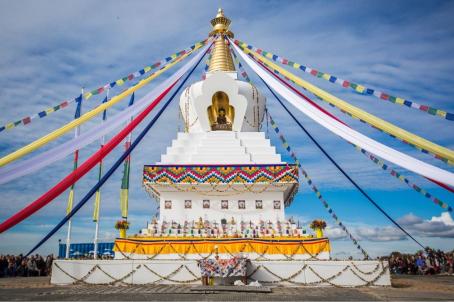
Stupas are symbols of enlightenment and peace that commemorate different stages of Buddha's life. Since the mid-20th century, thousands of stupas have begun to populate Europe. We have compiled some of the most impressive ones in this list.
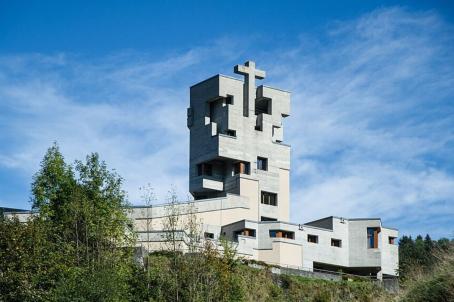
Walter Maria Förderer (1928–2006) was a Swiss architect and sculptor renowned for his neo-expressionist church designs in the 1960s. In this list we have compiled 6 of his church designs that seamlessly integrate religious and secular elements.

How is Religiana helping to conserve and promote Religious Heritage in Europe and why should you get involved?
Find out about Religiana
Are you a tourism organisation or religious heritage sites manager? Discover the advantages of becoming a partner.
See current partners
We can keep you up to date with the latest news from Religiana and religious heritage conservation across Europe.
Sign up to the FRH newsletter