Onze Lieve Vrouw ten Hemelopneming
Hattemerbroek, NL
Important interbellum church in neo-Gothic forms, with roof turret, in Hattemerbroek. Built next to old demolished church.

Here you can search for a building to visit. You can use the map find destinations, or you can use the filters to search for a building based upon what different criteria.
Hattemerbroek, NL
Important interbellum church in neo-Gothic forms, with roof turret, in Hattemerbroek. Built next to old demolished church.
Mariadorp, NL
The Maria Tenhemelopnemingkerk is a church building in Mariadorp built between 1959 and 1960.
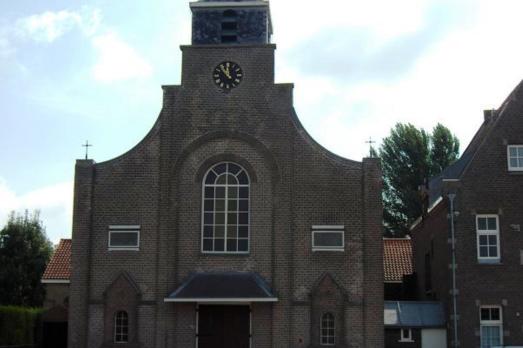
Achthuizen, NL
The church of Onze Lieve Vrouw ten Hemelopneming (Our Lady of Hemelopneming) is a Roman Catholic Church built in 1846 in Achthuizen. It is listed as a National Monument of the Netherlands.
Einighausen, NL
Charming neo-Romanesque church with double tower front. In 1905 the older church from 1840 was demolished and the new one built. This church served as an example for the St. Gertrudiskerk in Maarheeze.
Heiloo, NL
Richly detailed large chapel with roof turret. Characteristic work by architect J. Stuyt. Part of the interesting, extensive complex OL Vrouw ter Nood, still in use as a place of pilgrimage.
Roosendaal, NL
Until the second half of the 19th century, Roosendaal had one Roman Catholic church building: St. Jan. Due to the construction of the railway in 1854, the Redemptorists looked for a place to build their church and monastery. In 1866, an emergency church was built, which was quite large, namely 27 by 14 m., and offered space for 200 folding chairs and 400 kneeling chairs, and contained 2 side attars and 4 confessionals. On 29 October 1866, this emergency church was put into use. After 2 years, they still wanted to build the current church, the blessing was on 19 October 1874. The extension was put into use on 25 March 1909. The major restoration was in 1966, in October 1966 it was as good as new again. The arch above the front door is the coat of arms Beatae Mariae Virgini de Perpetuo Succursoo or the Blessed Virgin Mary of Perpetual Help. The tabernacle in the choir shows the 4 church fathers. On either side of the tabernacle kneel 2 wooden angel figures, originating from the Redemptorist Church (H. Verlosserkerk) in Rotterdam. 8 confessionals are placed in the side aisles.
Ens, NL
The church in Ens has a sober design. This building style is an important characteristic of the so-called 'Delft School'. The use of the materials concrete, brick and wood also betrays characteristics of the 'Bossche School'. This movement originates from the Delft School and dates from the period of reconstruction between 1946 and 1973. This style, which is strongly based on numerical proportions, has its repercussions on Catholic church building in this period.
Mariaparochie, NL
The church of Onze Lieve Vrouw van Altijddurende Bijstand (Our Lady of Perpetual Help) is a three-aisled so-called pseudo-basilica with multi-faceted closed transept and tower to the right of the front facade, covered by a high spire.
Beuningen, NL
Reconstruction church with small roof turret in neo-Romanesque forms.
Sliedrecht, NL
Small church from 1948 in traditionalist style, designed by architect Nic. Molenaar jr.; contractor was S. Geers from Voorburg. Before that time, church services were held in a temporary church, which stood in front of the current church on the Stationsweg, corner of Tiendweg. It was an old management shed of machine factory Smulders from Utrecht. This building was erected in the winter of 1918-1919 and consecrated on 19-03-1919 by pastor P. van der Cammen of the Antonius van Padua parish of Dordrecht, of which the Sliedrecht church became a branch church. Since the independence of the OLV Onbachtigte Ontvangenis parish of Papendrecht in 1960, Sliedrecht has been part of Papendrecht. In 1977 Sliedrecht became more or less and in 2003 definitively an independent parish. In 1998, the SAP was founded, a partnership between the parishes of Sliedrecht, Alblasserdam and Papendrecht, which was transformed into the Alblasserwaard-West federation in 2001. The planned expansion of the side room (sacristy) at the rear started in January 2006 and was completed in the summer of 2006.
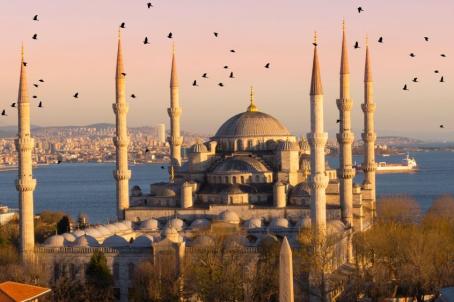
new
For a long time, Europe was ruled by powerful monarchies. Monarchy and religion have been connected since time immemorial. Here are 7 sites across Europe where royalty historically bent the knee to a higher power and received their crown.
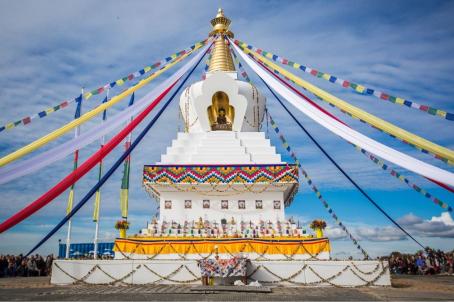
Stupas are symbols of enlightenment and peace that commemorate different stages of Buddha's life. Since the mid-20th century, thousands of stupas have begun to populate Europe. We have compiled some of the most impressive ones in this list.
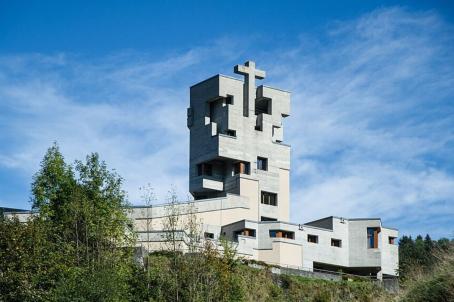
Walter Maria Förderer (1928–2006) was a Swiss architect and sculptor renowned for his neo-expressionist church designs in the 1960s. In this list we have compiled 6 of his church designs that seamlessly integrate religious and secular elements.

How is Religiana helping to conserve and promote Religious Heritage in Europe and why should you get involved?
Find out about Religiana
Are you a tourism organisation or religious heritage sites manager? Discover the advantages of becoming a partner.
See current partners
We can keep you up to date with the latest news from Religiana and religious heritage conservation across Europe.
Sign up to the FRH newsletter