Explore Religious Heritage Across Europe

Here you can search for a building to visit. You can use the map find destinations, or you can use the filters to search for a building based upon what different criteria.

Refine search

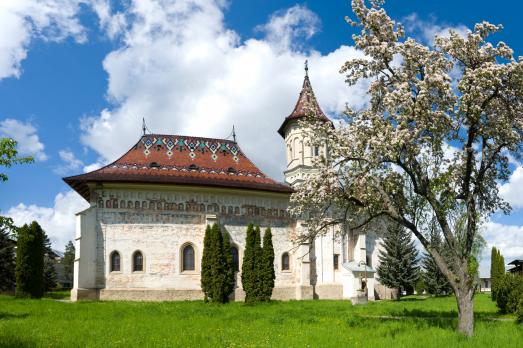
St. John the New of Suceava Monastery

St. John the New of Suceava Monastery

Suceava, Suceava county, RO

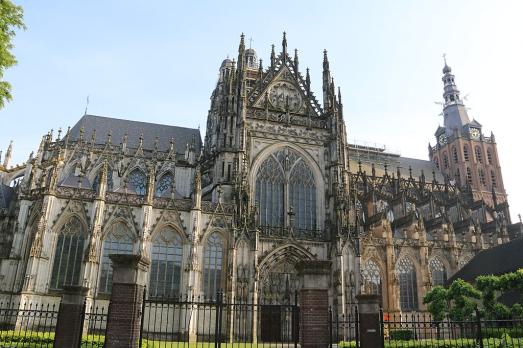
The Saint John the New of Suceava monastery was built between 1514-1522, during the ruling of Bogdan III the Blind and Stefanita Voda, both sons of Stephen the Great. The building of the church is imposing and it follows the Moldavian architectural style. Inside of the church there is a shrine with the relics of Saint John the New, brought in 1402 by the king Alexander the Good from the White Fortress (today in Republic of Moldavia). Every year, on 24th of June, a huge pilgrimage is taking place here. Thousands of believers gather in the monasteries’ courtyards to listen to the Divine Liturgy and the priests’ words of wisdom and to take part in the procession with the Holy relics.

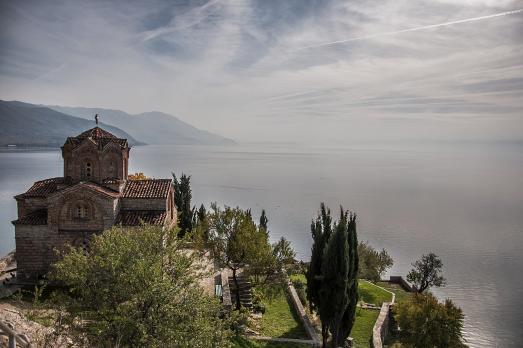
St. John the Theologian Kaneo

St. John the Theologian Kaneo

Ohrid, MK

St. John the Theologian Kaneo is one of the most famous churches in Northern Macedonia due to its position above Lake Ohrid. Its foundation date is unknown, but the church existed already in the 13th century. Abandoned during the Ottoman period, it was restored in the 19th century. The frescoes inside were made during the restoration and date back to the 20th century.

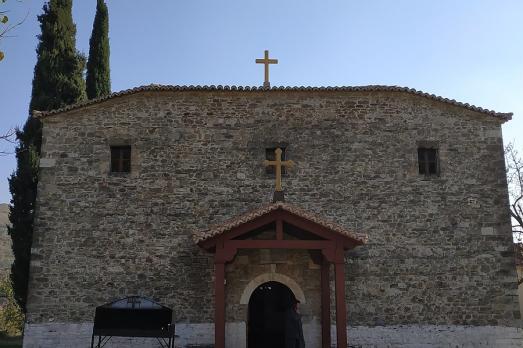
St. John Vladimir Monastery

St. John Vladimir Monastery

Shijon, AL

The monastery of St. John Vladimir, built at the end of the 14th century, is an important monument in medieval Albania, and one of the largest sacred complexes in the country. The monastery was almost completely destroyed by fire in 1944, but the walls painted in the 18th century were spared.

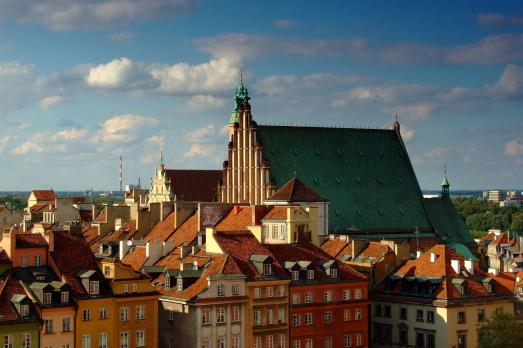
St. John's Archcathedral, Warsaw

St. John's Archcathedral, Warsaw

Warsaw, PL

As an arch-Cathedral, Saint John is the most important church in Warsaw and one of the oldest, dating back to 1390. Completely destroyed during the Second World War, the building was rebuilt according to Jan Zachwatowicz's plans between 1948 and 1956. The building is now classified by UNESCO.

St. John's Basilica

St. John's Basilica

Berlin, DE

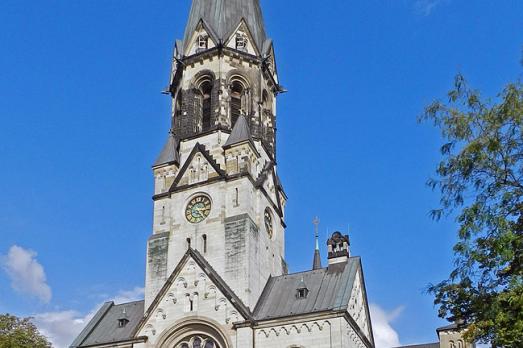
St. John's Basilica is a church built between 1894 and 1897, the largest Catholic church in Berlin. The architect was the building consultant August Menken. He designed the church as a basilica in the Rhineland Romanesque style. After the Second World War, the church was used for the central services of the diocese of Berlin, because St. Hedwigs Cathedral was still badly damaged. In addition to being a parish church, it served as the cathedral of the German military ordinance.

St. John's Church

St. John's Church

Bremen, DE

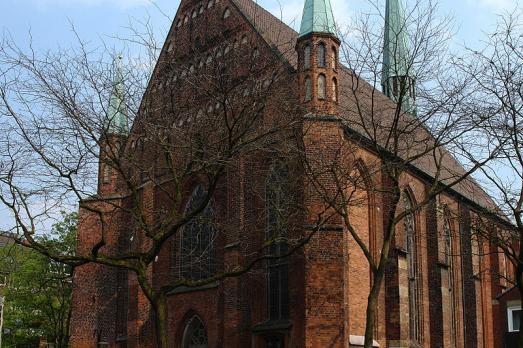
St. John's Church was funded in 1258, when the Franciscan Order built the St. John's Monastery and Basilica. The monastery was until the middle of the 17th century Bremen's hospital and nursing home.

St. John's Church

St. John's Church

Flensburg, DE

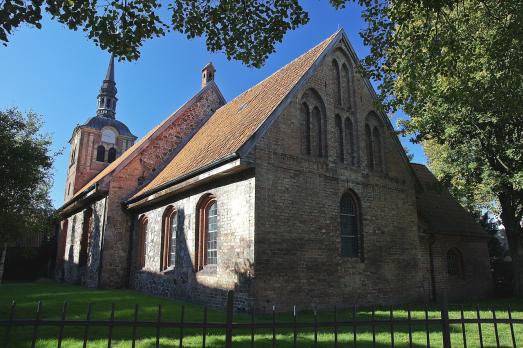
The St. John's Church, founded in the 12th century, is one of the oldest churches in the city of Flensburg. The church is predominantly Romanesque, but in the Gothic period it was equipped with larger windows and a brick choir extension. The church has frescoes on its vault, which were restored in 1969. The baroque tower of the church dates from 1741.

St. John's Church

St. John's Church

Gdansk, PL

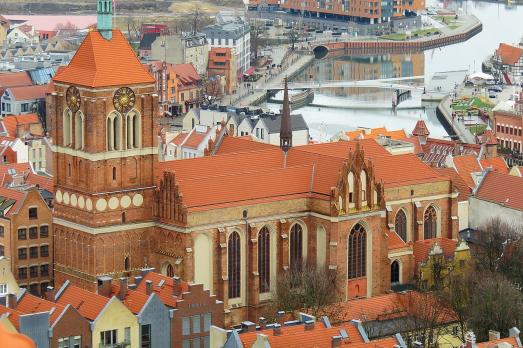
St. John's seems to have been built from 1377 until the middle of the 15th century. Destroyed during the Second World War, the church was left as it was and served as a backdrop for war films. It was from the 60s that the reconstruction of the church began, allowing it to be used again for worship in the 90s.

St. John's Church

St. John's Church

Gera, DE

St. John's Church is a neo-gothic brick church was built after the donations of the inhabitants in 1880-1881. From 1972 to 1975, renovation works were carried out and the church was reopened to the parishioners on May 11, 1975.

Be inspired

Stupkalnis.lt

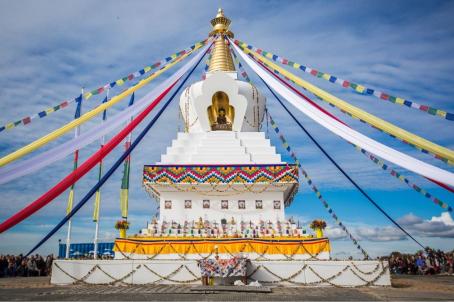
10 Buddhist stupas to discover in Europe

Stupas are symbols of enlightenment and peace that commemorate different stages of Buddha's life. Since the mid-20th century, thousands of stupas have begun to populate Europe. We have compiled some of the most impressive ones in this list.