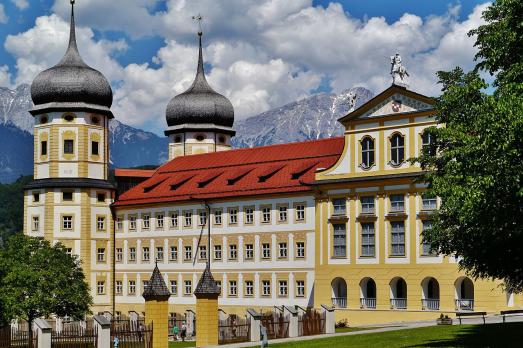
Stams Abbey
Stams, AT
It is a Cistercian Abbey founded in the 13th century. It is one of the most beautiful and opulent religious sites in the region of Tyrol.

Here you can search for a building to visit. You can use the map find destinations, or you can use the filters to search for a building based upon what different criteria.
Stams, AT
It is a Cistercian Abbey founded in the 13th century. It is one of the most beautiful and opulent religious sites in the region of Tyrol.
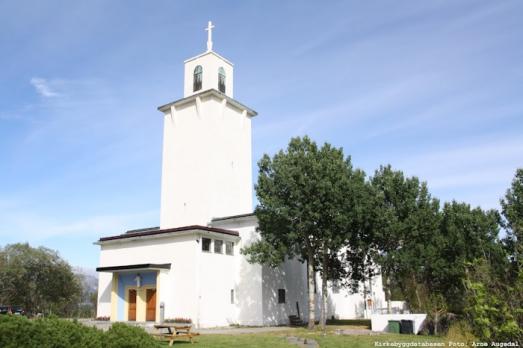
Vestvågøy, NO
The Stamsund church was inaugurated on July 13, 1937. A chapel had been built on its site in 1853, but it was destroyed by a storm on January 28, 1905. After more than 30 years, the Stamsund church was built to replace the chapel. The church was urgently built of concrete.
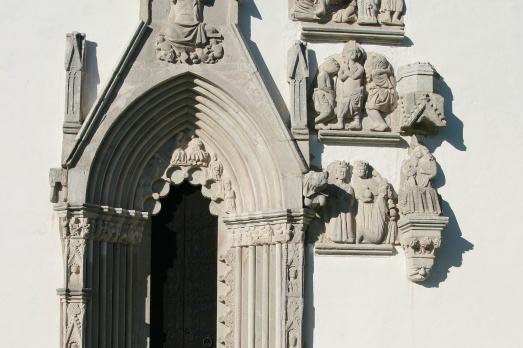
623 60, SE
Stånga Church is one of the 92 medieval churches on the island of Gotland.
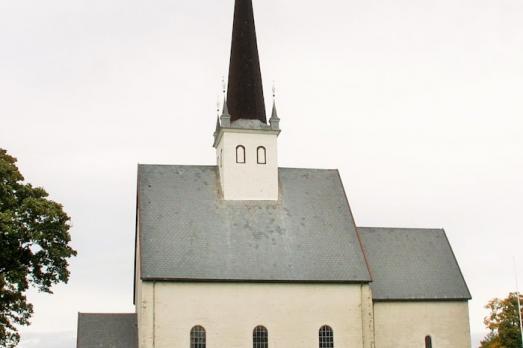
Stange, NO
The Stange church is a limestone block church probably built in the middle of the 13th century. It has a rectangular nave with a slightly narrower and lower choir and a sacristy on the north side of the choir built in the late Middle Ages. In 1703, a transverse arm was built on the north wall of the nave, and a porch on the west side in the 19th century.
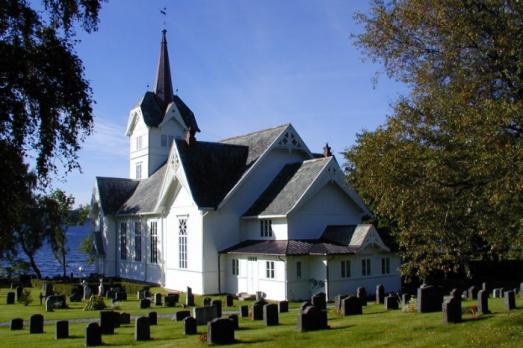
Stangvik, NO
Stangvik Church is a listed wooden church from 1897. The building, designed by Karl Norum, was restored in 1932, when the old furnishings of the former cross-shaped church of the town were put into use.
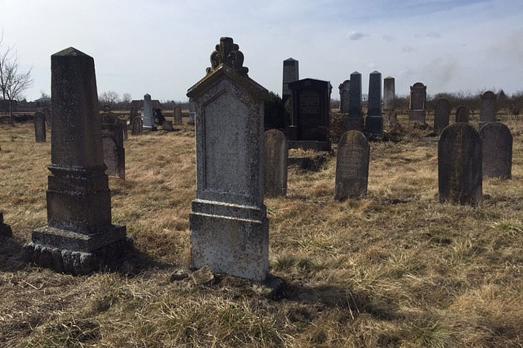
Stanišić, RS
The cemetery can be found outside the village, north of Cara Lazara Street. It has 83 gravestones from 1825 to 1940. The site was fenced by ESJF in May 2017.
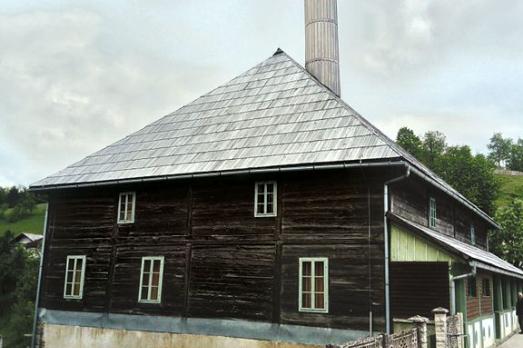
Bužim, BA
The old wooden mosque in Buzim (Stara drvena džamija u Bužimu) is one of the oldest and largest wooden mosques in Europe.
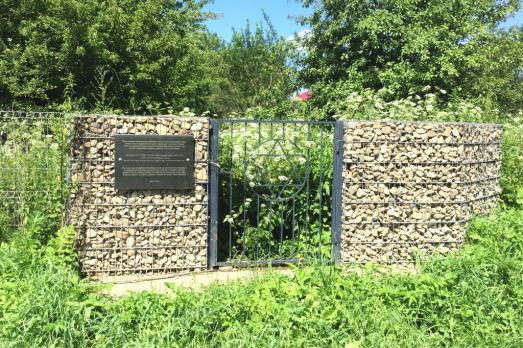
Stara Zhadova, UA
The exact period of the cemetery’s establishment is unknown. According to epigraphic data, it already existed at the end of the 19th century and was operating until WWII. The latest preserved gravestone relates to 1940.
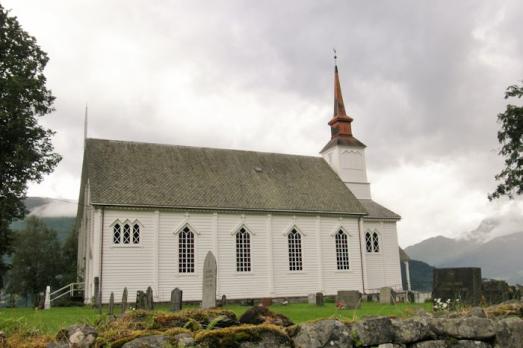
Stårheim, NO
Stårheim Church is a wooden church completed in 1864. The church was built according to the plans of the architect Christian Heinrich Grosch. The first church in Stårheim, mentioned in 1338, probably dates from the first part of the 12th century. It was probably a stave church that stood around 1600. The stave church was replaced by a simple wooden church, which was later replaced by the present church.
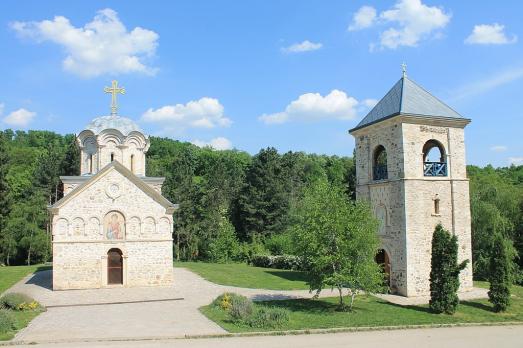
Irig, RS
Staro Hopovo Monastery is nestled in the forest on the slopes of the Fruska Gora mountains. It was founded by Đorđe Branković at the end of the 15th century with a church dedicated to St Nicholas. The current church was built in 1752 after the first one collapsed due to an earthquake. The complex was partially damaged during the Second World War.
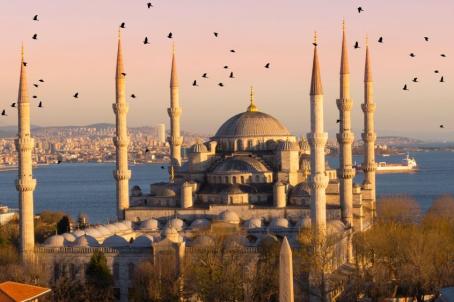
new
For a long time, Europe was ruled by powerful monarchies. Monarchy and religion have been connected since time immemorial. Here are 7 sites across Europe where royalty historically bent the knee to a higher power and received their crown.
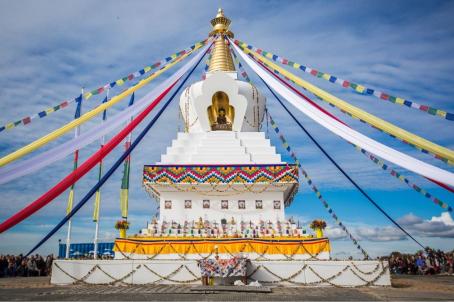
Stupas are symbols of enlightenment and peace that commemorate different stages of Buddha's life. Since the mid-20th century, thousands of stupas have begun to populate Europe. We have compiled some of the most impressive ones in this list.
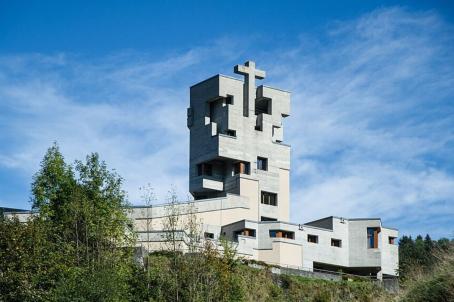
Walter Maria Förderer (1928–2006) was a Swiss architect and sculptor renowned for his neo-expressionist church designs in the 1960s. In this list we have compiled 6 of his church designs that seamlessly integrate religious and secular elements.

How is Religiana helping to conserve and promote Religious Heritage in Europe and why should you get involved?
Find out about Religiana
Are you a tourism organisation or religious heritage sites manager? Discover the advantages of becoming a partner.
See current partners
We can keep you up to date with the latest news from Religiana and religious heritage conservation across Europe.
Sign up to the FRH newsletter